This Is Why Some Homes Have a “Joggling Board” on the Front Porch: The Charming History of the South’s Most Curious Porch Feature
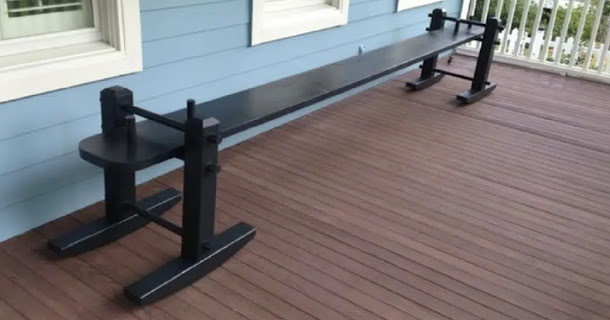
Have you ever taken a slow stroll through an old Southern neighborhood and felt like the air around you was thick, warm, and heavy? It is the kind of weather where you are guaranteed to sweat within minutes. Yet, beyond the intense summer heat, there is a distinct and lovely feeling to the surroundings. As you walk past historic homes with beautiful wraparound porches and climbing green ivy, you might spot something highly unusual. It is a long, flexible, bouncy wooden bench that looks like a cross between a playground balance beam and a traditional porch swing.
ADVERTISEMENT
That unique object is called a joggling board.
ADVERTISEMENT
For most people seeing it for the very first time, it is a complete mystery. It does not look like a standard comfortable chair. In fact, it seems like it might wobble or tip over if you even breathe on it. However, if you ask the locals—especially in historic cities like Charleston where porch life is a major part of the culture—they will gladly share the local lore. You will quickly hear a delightful story that connects this bench to Scotland, aching body joints, and old-fashioned romance.
ADVERTISEMENT
Let us dive deep into the history, cultural meaning, and lasting appeal of this fascinating Southern porch tradition.
What Exactly Is a Joggling Board?
At its core, a joggling board is a very long and narrow wooden plank. It is supported at both ends by two upright wooden frames that rest on curved rockers. Because the central board is so long and flexible, it creates a gentle, springy bounce whenever someone sits down on it or moves.
Key Design Features
-
Impressive Length: These benches are typically between 8 and 12 feet long. This spacious design allows anywhere from two to four people to sit together comfortably.
-
Unique Structure: The flat wooden plank balances perfectly on the two curved end rockers. It operates a bit like a playground seesaw, but it features a completely flat top.
-
Rhythmic Motion: Instead of swinging high through the air like a porch swing, or staying totally still like a regular bench, it offers a soft, rhythmic bounce.
-
Traditional Placement: Homeowners almost always place them right on the front porch, usually running parallel to the front wall of the house.
-
Sturdy Materials: Historically, builders used cypress or pine because these Southern woods naturally resist rotting. Today, people also build them out of cedar, teak, or modern weather-resistant composite materials.
-
Classic Colors: To keep with local style, these benches are almost always painted in traditional colors. The most popular choices are forest green, deep Charleston green, bright white, or a soft, neutral gray.
💡 Fun Fact: The word “joggling” actually comes from an old English term that means "to shake" or "to move with a jerking motion." Over time, people in the American South adapted the word to describe the specific, soothing rocking motion of this local porch bench.
Where It All Started: Between a Rocking Chair and a Carriage Ride
The origin story of this bench is remarkably specific. The history stretches all the way back to the year 1804 on a plantation in South Carolina. A gentleman named Cleland Kinloch lived near Charleston and invited his widowed sister, Mary Kinloch Huger, to come live with him. Mary suffered from poor health and had incredibly sore, aching joints. During that era, taking a horse-drawn carriage ride was one of the few ways to get fresh air and entertainment, but the bumpy roads made her physical pain much worse.
Mary had family members back in Scotland who heard about her health struggles. Hoping to give her some comfort, they sent her the conceptual plans for a brand-new invention. It was a long piece of timber balanced carefully on two curved rockers, which gave the wood a gentle bounce. This clever invention served multiple purposes at once: it was part exercise equipment, part outdoor entertainment, and part physical therapy.
How the Invention Helped Mary
-
Soothing Movement: The gentle, soft bouncing action offered relaxing motion without the rough, painful jolting of a horse carriage.
-
Low-Impact Exercise: The subtle up-and-down movement naturally engaged her core muscles without placing any harsh strain on her painful joints.
-
Social Interaction: It allowed her to sit comfortably outside on the porch where she could greet her neighbors and stay connected to the community.
-
Fresh Air: Spending time outdoors on the porch was highly encouraged during the 1800s because people believed clean air helped the body heal.
-
Personal Dignity: Mary could easily use the bench all by herself without needing to ask anyone for assistance.
The invention became an immediate success. Neighbors saw how practical and pleasant it was, and soon, more homes across the region started building their own. By the 1850s, the joggling board was a staple of Southern outdoor living. You could find them resting on porches everywhere, bouncing gently in the warm breeze as if they had been there forever.
🏡 Historical Note: These unique benches became popular during an era when the front porch was the true center of social life. Long before modern air conditioning existed, the porch was where families gathered to stay cool, neighbors stopped by to chat, and daily life unfolded. The bouncy bench fit perfectly into this outdoor lifestyle.
The Whole “Courting Bench” Deal
As the benches grew more popular, they took on a legendary reputation for romance. Southern families loved storytelling, and they soon attached a very special meaning to the furniture. A local belief started spreading that if a family placed a joggling board on their front porch, it would bring immense romantic luck to their unmarried daughters. People jokingly promised that having one meant a daughter would never grow old alone.
Because of this match-making reputation, the piece of furniture earned its famous nickname: the "courting bench".
How the Bench Facilitated Romance
-
Shared Physical Motion: Whenever two people sit on the plank together, every tiny movement from one person causes the board to move for the other person. This creates an immediate, subtle physical connection.
-
Close Proximity: Because the wooden plank is quite narrow, it naturally forces two people to sit very close to each other, which encourages easy conversation.
-
Public Yet Private Space: Because the bench sits out on the front porch, a young couple could sit and talk
"in public"where it was socially acceptable, while still enjoying a feeling of personal privacy. -
A Relaxing Rhythm: The gentle, rhythmic rocking helped calm nervous tension, making the conversation feel much more natural and less forced.
-
Chaperone-Friendly Design: Parents could easily look out the front window to make sure everything was proper, while still giving the young couple enough physical space to get to know each other.
The magic of the bench was simple: a young man and woman would sit down and start rocking. As they drifted toward the center of the flexible board, they would naturally slide closer together. Before they knew it, their knees would touch, giving them a perfectly innocent excuse to flirt and talk softly. Young couples loved the fact that they could build a small bubble of privacy right outside the house, away from the direct supervision of parents who might ask, "are you being scandalous?"
💬 Southern Charm: In a traditional society where proper behavior and etiquette mattered immensely, this furniture offered a perfectly acceptable way for young people to connect. It was not just a place to sit; it was a clever tool for social connection.
Why Joggling Boards Flourished in the South
This unusual bench did not become famous by accident. It thrived because it perfectly matched the climate, culture, and lifestyle of the region.
Cultural and Environmental Factors
-
The Porch as a Living Room: Before the invention of air conditioning, the porch was the coolest spot in the house. This furniture made spending hours outside even more enjoyable.
-
Warm Weather: Mild temperatures throughout most of the year meant that people could enjoy sitting outside on their porches across all four seasons.
-
Hospitality and Community: Southern culture places a huge value on being welcoming to guests. The bench offered a fun, inviting place for visitors to sit.
-
Local Woodworking Skills: Talented local carpenters had easy access to excellent regional timber, allowing them to custom-build these benches for local homes.
-
A Slower Pace of Life: The rhythmic, gentle bounce encouraged people to slow down, take their time, and savor long conversations with loved ones.
🏡 Architectural Note: Carpenters usually custom-built each bench to fit the exact measurements of a specific porch. Homeowners chose lengths and paint finishes that perfectly matched the architectural style of their house, proving that they valued both beauty and function.
Where to Buy a Joggling Board Today
If you love the history of this piece of furniture and find yourself thinking, "I just need this in my life," you are in luck. You can absolutely still buy them today. There are specialized workshops, online stores, and independent woodworkers who keep this historic craft alive, especially in North and South Carolina.
Top Sources for Buyers
-
Traditional Southern Artisans: Local craftsmen build these benches using the exact historical designs, often utilizing high-quality cypress or cedar wood.
-
Specialty Furniture Retailers: These shops offer a curated selection of designs, ranging from deeply traditional models to streamlined, modern variations.
-
Online Handcrafted Marketplaces: Websites like Etsy feature independent makers offering various sizes and custom colors. Be sure to read customer reviews carefully before purchasing.
-
Custom Woodworkers: You can hire a local carpenter to design a bespoke bench that perfectly matches the dimensions of your home.
-
Antique Dealers: If you prefer historic items, you can look for authentic vintage boards. They may require some restoration and cost more, but they come with a rich history.
Important Things to Consider Before Buying
-
Porch Size: Carefully measure your available outdoor space. Classic historical boards are quite long, usually ranging from 8 to 12 feet.
-
Wood Selection: Cypress and cedar are excellent premium choices because they naturally resist weather rot. Pressure-treated pine is a more budget-friendly option.
-
Paint and Finish: Decide whether you want a traditional Charleston green, a bright white, or a natural wood stain. Always ensure the builder uses high-grade, weather-resistant exterior paint.
-
Weight Limit: Double-check that the long wooden plank is strong enough to safely support multiple adults at the same time.
-
Installation Method: Some models are built to be permanently attached to the porch floor, while others are completely freestanding so you can move them around.
-
Future Maintenance: Natural wood requires a fresh coat of sealant or paint every few years to protect it from the elements, whereas modern composite materials require very little upkeep.
🪵 Pro Tip: If you are purchasing your bench online, always ask the seller for close-up photographs of the end joints and the curved rockers. These specific parts bear all the weight and movement, so excellent craftsmanship is required for long-term safety.
DIY or Custom: Building Your Own Joggling Board
For handy individuals who love weekend woodworking projects, building one of these historic benches can be a highly rewarding experience.
Basic Components and Specifications
-
The Main Plank: You will need a sturdy board measuring 1×12 or 2×12 in size. Use a strong hardwood or high-quality pressure-treated pine, cut to a length between 8 and 12 feet.
-
The End Rockers: These are made from curved pieces of tough hardwood, like oak or hickory, or thick bent plywood. They should feature a gentle curve with a radius of about 3 to 4 feet to create a smooth movement.
-
Support Brackets: You will need heavy-duty metal or wooden brackets to firmly connect the long central plank to the two end rocker units.
-
Heavy-Duty Hardware: Use galvanized or stainless steel bolts, nuts, and washers so your hardware will not rust outside in the rain.
-
Protective Finish: Apply high-quality exterior paint, stain, or clear waterproof sealant to protect the completed bench from sun and moisture damage.
Crucial Safety Tips
-
Verify the Weight Capacity: Test the finished project to ensure it can safely support at least 400 to 500 pounds without cracking.
-
Tighten the Rockers: Make absolutely sure the end rockers are attached securely to the plank so the bench does not wobble sideways or fall apart while in motion.
-
Keep It Level: Set the bench on a completely flat, level surface to prevent it from accidentally tipping over backward.
-
Perform Regular Inspections: Before the start of every spring season, inspect the wood for cracks or rot and tighten any loose bolts.
🔨 Helpful Resource: Many historical preservation societies and woodworking websites offer free instructions online. You can search for "Charleston joggling board plans" to find step-by-step blueprints to guide your build.
Modern Uses: Why People Still Love Them Today
Even though these clever benches were invented over two centuries ago, their popularity endures. Modern homeowners continue to install them on front porches, back patios, and in gardens for several excellent reasons.
The Modern Appeal
-
Nostalgia and History: It connects a home to historical traditions and classic architectural style.
-
An Unmatched Conversation Starter: It stands out completely from standard patio furniture and gives guests something unique to talk about.
-
Soothing Physical Relaxation: The soft, rhythmic bouncing motion is incredibly calming, helping to relieve daily stress and ease mild joint stiffness.
-
Perfect Social Seating: The design naturally brings people closer together, making it ideal for hosting small gatherings of friends.
-
Stunning Aesthetic Character: It adds immense charm, color, and personality to the front of any house.
-
Mindful Living: The gentle rocking motion encourages you to put down your phone, slow down your day, and simply enjoy the present moment.
🧘 Wellness Note: Although it is not a medical device, the rhythmic rocking motion of this historic bench provides the exact same calming, therapeutic psychological benefits as a classic rocking chair or a gentle hammock, helping to lower stress and invite relaxation into your daily life.