Facing the Past and Embracing a Father’s Regret
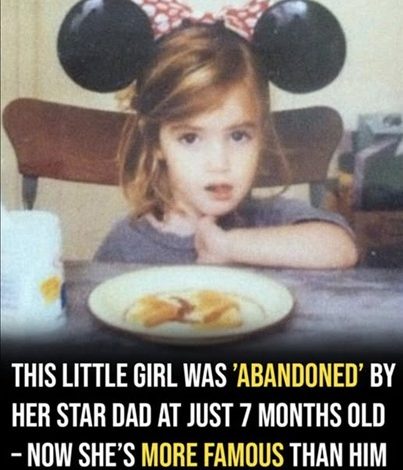
In the 1980s, Eric Roberts carried the kind of raw intensity and screen presence that instantly pulled an audience in. He was widely regarded as one of the most promising young actors of his era. Yet away from the spotlights and film sets, his private life was unraveling through personal struggles that eventually led him to leave his young family when his daughter was just an infant.
ADVERTISEMENT
From the Stage to Hollywood Recognition
ADVERTISEMENT
Born in Biloxi, Mississippi, in 1956, Roberts grew up around performance and natural storytelling. He built his foundation on stage, earning critical praise on Broadway in productions like Burn This, before taking his career directly to cinema.
ADVERTISEMENT

His early film work brought swift industry acclaim:
-
Earned Golden Globe nominations for King of the Gypsies (1978) and Star 80 (1983)
-
Received an Academy Award nomination for Best Supporting Actor for Runaway Train (1985)
-
Established a reputation for intense, emotionally layered performances
While his natural gift opened doors across the industry, the pressures of sudden fame, paired with deep-seated personal issues, soon led him down a destructive road.
Fatherhood and Personal Turmoil
In 1991, Roberts and his partner Kelly Cunningham welcomed a baby girl named Emma Roberts. Emma would later grow into a prominent actress in her own right, leading projects like American Horror Story and We’re the Millers.
In his memoir Runaway Train: Or the Story of My Life So Far, Roberts reflected honestly on that fragile period. He recalled that “[The pregnancy] was very exciting,” and shared, “I fell madly in love with Emma the first minute I saw her.”
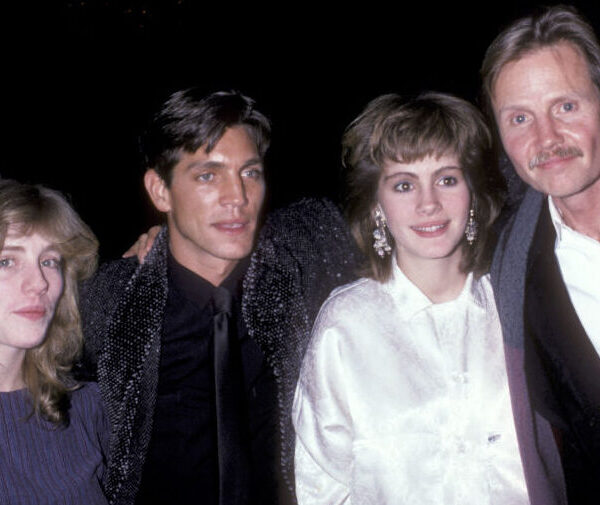
Yet despite that love, he was privately battling severe substance dependence. He candidly admitted he “couldn’t handle the realities of an infant coming into my life,” and conceded that he “couldn’t handle being a parent.”
His personal habits made stability impossible. As he put it: “I was still impossibly coked up when she was born, which explains everything.” He later noted that “the biggest consequence of my drug use was losing Emma,” writing with painful honesty, “I had abandoned Kelly when Emma was just seven months old.”
Clarifying the Family Record
Over the years, rumors suggested a fierce family feud erupted over custody, but Roberts clarified that the reality was far more grounded in his own shortcomings.
-
He never fought for full custody because he knew he was not fit for it, writing: “I never saw myself as someone who deserved to have physical custody of Emma, not in a million years.”
-
His sister, Julia Roberts, did not act out of hostility when assisting Cunningham. Instead, she offered financial support to ensure child welfare. Roberts noted: “Thankfully, Julia helped — for Emma’s sake and because she could afford to… I deeply appreciated it.”
-
Although the custody process strained family relationships for years, the siblings eventually worked through their differences and made peace.
Two Different Paths
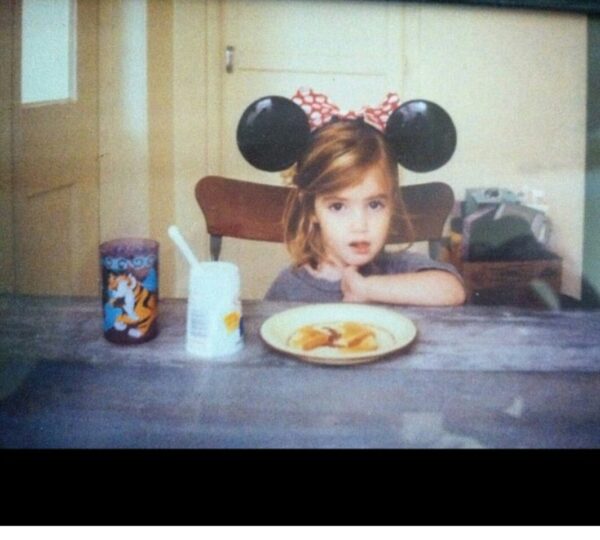
Emma Roberts was raised primarily by her mother, spending early years visiting her aunt Julia on film sets—like hiding away in the trailer during the filming of Erin Brockovich. She discovered a natural love for the craft and built an independent, acclaimed career through her own hard work.
When asked about her connection with her father today, she has remained grounded and direct: “Um… how do I say this? No, we’re not [close].”
Now a parent herself, Emma has chosen to focus on raising her young son and continuing her work, keeping a polite distance from the past.
Recovery and Enduring Work Ethic
Roberts did not let his life end in collapse. During the 1990s, with vital support from his wife Eliza and court-ordered rehabilitation, he confronted his past behavior. He has noted that during his lowest points, “there were times when it was dangerous to be around me.”
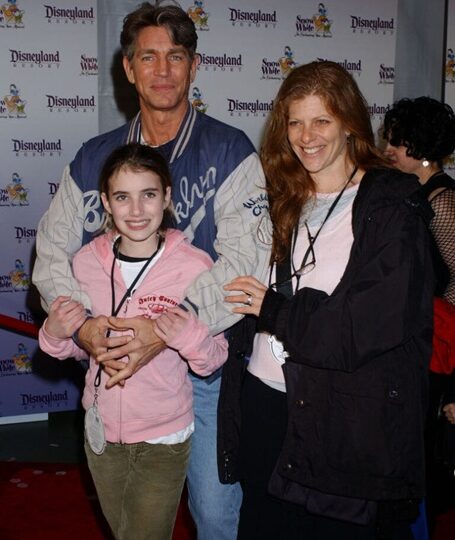
Sobriety allowed him to slowly repair his life and return to his craft. Roberts went on to build one of the most prolific filmographies in modern cinema, appearing in hundreds of projects across film and television.
Looking back today, his perspective is defined by accountability rather than excuses. While he wrote that “I loved my little daughter with the strength of Hercules, despite my own weaknesses,” he accepts the distance that remains between them.

He takes pride in Emma’s resilience and her ability to thrive. Approaching his later years with quiet perspective, he reflected: “I imagine I will remain as Julia’s brother and Emma Roberts’ dad for the rest of my life,” hoping simply to carry both roles with “pride and grace.”