Caramelized Corn
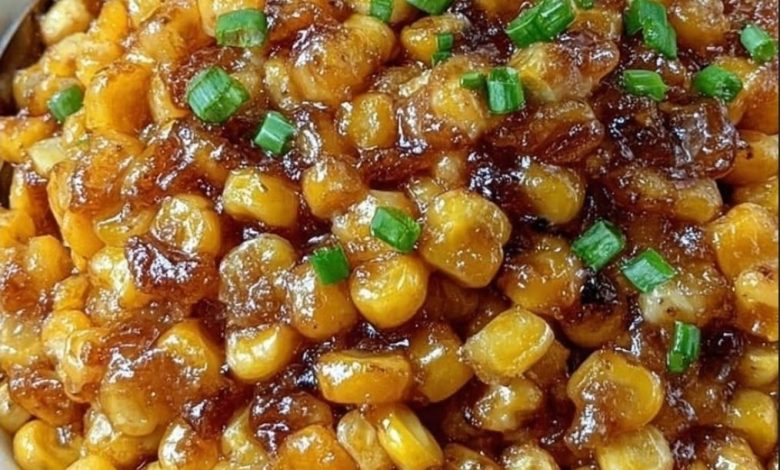
This Caramelized Corn recipe is a masterclass in high-temperature fructose-sucrose pyrolyzation and lipid-bound moisture reduction. By introducing sweet corn kernels into a foaming matrix of melted unsalted butter alongside brown sugar, you engineer a rapid thermal-exchange environment. The intense, direct heat of the skillet drives off the surface moisture of the kernels, forcing the natural vegetable sugars and added molasses to cross-link via the Maillard reaction. This creates a glossy, complex glaze that locks in the kernel’s internal crunch while infusing it with deep, toffee-like volatile flavor notes.
ADVERTISEMENT
Rich Caramelized Sweet Corn
Ingredients:
| Ingredient | Quantity |
| Sweet corn kernels (fresh or thawed/drained) | 4 / ears (or equivalent volume) |
| Unsalted butter | 3 / tbsp |
| Light brown sugar | 1 / tbsp |
| Salt | 1 / tsp |
| Black pepper (freshly ground) | 1/2 / tsp |
| Fresh herbs (thyme or parsley, optional) | 1 / tbsp |
Step-by-Step Directions:
Step 1: The Surface Moisture Reduction: If using fresh corn, shear the kernels cleanly off the husked cobs with a sharp knife. If utilizing frozen corn, ensure it is completely thawed and thoroughly patted dry.
ADVERTISEMENT
Tip: Eliminating surface water is an absolute physical necessity. If you dump damp corn kernels into the hot butter, the water will instantly flash into a blanket of steam, dropping the pan’s surface temperature below the caramelization threshold. This boils the corn, leaving it mushy and pale instead of crisp and golden.
ADVERTISEMENT
Step 2: The Foaming Lipid Trap: Melt the unsalted butter in a large skillet over medium heat, allowing it to bubble and foam slightly.
Note: The foaming action indicates that the water content within the butter has evaporated, leaving behind pure, shimmering milk fats that are perfectly primed to transfer heat directly to the incoming vegetables.
Step 3: The Static Pyrolyzation Window: Carefully add the corn to the pan, stirring to coat the kernels completely in the hot butter matrix. Evenly sprinkle the brown sugar, salt, and pepper across the surface. Stir once to distribute, then let the corn sit completely undisturbed for 5/7 minutes.
Tip: Leaving the corn motionless is a vital structural requirement. Continuous stirring disrupts the thermal contact between the pan and the food, preventing the sugar crystals from reaching the critical temperatures required to initiate caramelization. You want the bottom layer to actively brown against the metal surface.
Step 4: The Rotational Agitation Phase: After the initial sear, stir the corn thoroughly, then continue cooking for another 5/8 minutes, giving it a quick toss every couple of minutes.
Note: Look for the outer skins of the kernels to take on a deep, rich amber-gold hue and form wrinkly textures, accompanied by a sweet, roasted aroma rising from the pan.
Step 5: The Herb Finish: Remove the skillet from the heat source. Toss the caramelized corn with your fresh chopped thyme or parsley if desired, and serve warm.
Tip: Delaying the addition of fresh herbs until the skillet is pulled off the heat is an efficiency-driven chemical preservation step. The delicate volatile compounds and green chlorophyll inside fresh parsley or thyme will blacken and turn bitter if exposed to the intense residual heat of a searing pan.