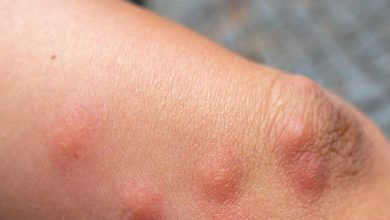
Surprising Causes Of Hives Revealed — What May Be Triggering Your Skin Reaction
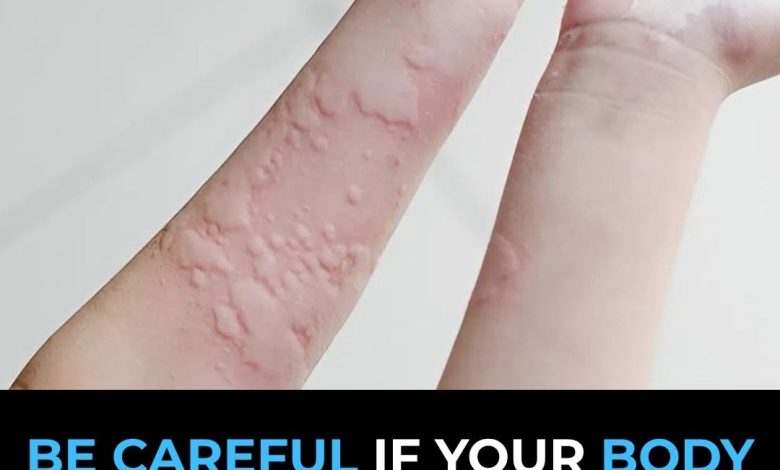
When itchy, red, and raised bumps suddenly pop up on your skin, it is incredibly easy to blame something you just ate or a bug bite. These skin reactions are known as hives, or medically as urticaria. While common allergies to food or insects are often the main suspects, the real cause is frequently something much more hidden and unexpected.
ADVERTISEMENT
In fact, a very large number of long-lasting cases confuse both patients and doctors. Up to 50% of people who experience ongoing, long-term hives are told that their condition has no clear, identifiable trigger. In the medical world, this mysterious type of reaction is called “chronic idiopathic urticaria.”
ADVERTISEMENT
To help you figure out what might be happening with your skin, here is an expanded look at 7 lesser-known triggers that could be causing your breakouts, along with safe, everyday steps you can take to manage them.
ADVERTISEMENT
1. Extreme Changes in Temperature and Physical Pressure
Your skin is a highly sensitive organ that reacts constantly to the environment around you. For some people, simple physical changes in temperature or pressure can cause the immune system to overreact. This family of reactions includes conditions like dermatographism and physical urticaria.
-
Cold Urticaria: This happens when your skin reacts to cold environments. You might notice red bumps after taking a chilly shower, holding an icy drink, or stepping outside into freezing winter air.
-
Heat or Cholinergic Hives: These are triggered when your core body temperature goes up. Sweating during a workout, taking a relaxing hot bath, or even eating a plate of spicy food can cause tiny, highly itchy bumps to appear on your skin.
-
Pressure Hives: Physical contact and friction can also be the culprit. Wearing tight waistbands, carrying a heavy backpack with straps that press into your shoulders, or even sitting on a hard chair for a long period can leave behind raised welts.
How to find relief: Try your best to avoid sudden shifts in temperature. Opt for loose-fitting, breathable clothing that does not rub against your skin. If a flare-up happens, applying a cool, gentle compress can help soothe the irritation.
2. High Levels of Stress and Emotional Strain
Your mind and your skin are deeply connected. When you experience high levels of emotional upset, anxiety, or mental pressure, your body goes into a defensive mode. This internal state causes your system to release a chemical called histamine, along with other inflammatory compounds.
The interesting part is that you do not need to be “allergic” to a physical item for this to happen. Your emotional state creates the exact same physical response. These breakouts very often show up during high-stress times, such as studying for difficult exams, dealing with deep grief, or navigating major life transitions.
How to find relief: Dedicate a few minutes each day to calming activities. Practicing mindfulness, taking slow, deep breaths, or engaging in gentle exercises like walking can significantly lower your stress levels and reduce the frequency of skin flare-ups.
3. Common Pain Relievers and Medications
Sometimes, the items in your medicine cabinet meant to help you feel better can actually cause your skin to react. Certain over-the-counter and prescription drugs are known triggers for hives, even if you have taken them safely for many years without any issues in the past.
-
NSAIDs (Non-Steroidal Anti-Inflammatory Drugs): This group includes common pain and fever reducers like aspirin, ibuprofen (often sold under brands like Advil and Motrin), and naproxen.
-
Blood Pressure Medications: Certain prescription drugs used to manage high blood pressure, specifically ACE inhibitors, can cause a deeper type of skin swelling known as angioedema. This deep swelling often goes hand-in-hand with surface hives.
How to find relief: You should always speak directly with a healthcare professional before you stop taking any prescribed medication. If you suspect an over-the-counter pain reliever is causing issues, ask your doctor if switching to a different option, such as acetaminophen (commonly known as Tylenol), is a safer choice for you.
4. Added Fragrances and “Natural” Skincare Ingredients
It is a common belief that products labeled as “natural” or “clean” are always safe for sensitive skin. However, many of these items contain hidden irritants.
-
Skincare and Beauty Products: Essential oils like lavender, peppermint, or tea tree oil, as well as various botanical plant extracts, are highly concentrated and can cause contact reactions.
-
Household Laundry Items: Your laundry detergent, fabric softeners, and dryer sheets often leave behind a microscopic residue on your clothes, towels, and bedsheets. This constant contact can continuously irritate sensitive skin types.
How to find relief: Simplify your daily routine by switching to completely fragrance-free, hypoallergenic products. When shopping, carefully read the packaging and look specifically for labels that say “approved for sensitive skin.”
5. Hidden Viral or Bacterial Infections
Your immune system is designed to protect you from sickness. When your body is actively fighting off an illness, your immune defenses go into overdrive. This intense internal activity can sometimes cause hives to appear as a secondary side effect.
This type of reaction is very common in young children, but it happens frequently to adults as well. Common underlying illnesses include:
-
The common cold or flu
-
Strep throat
-
Urinary tract infections (UTIs)
-
Hepatitis
-
Deep dental infections or abscesses
How to find relief: In most cases, these skin breakouts will completely disappear on their own once the main infection is successfully treated and cleared from your system. Focus on getting plenty of rest, staying well-hydrated, and speaking with a doctor to address the primary illness.
6. Certain Food Additives and Preservatives
When people think of food causing hives, they usually think of classic allergies to items like peanuts, shellfish, or eggs. However, artificial ingredients added to processed goods can cause a very similar skin reaction without triggering a true, classic IgE food allergy.
These chemical triggers are widely used to enhance color, change flavor, or extend shelf life. They are frequently found in processed snacks, sodas, deli meats, packaged sweets, and wine. Keep an eye out for:
-
Artificial food colorings (such as Red 40 and Yellow 5)
-
Common preservatives like sodium benzoate
-
Monosodium glutamate (MSG)
-
Sulfites
How to find relief: Consider trying a gentle elimination plan. Try cutting out highly processed foods from your daily meals for about two weeks, focusing instead on whole, fresh ingredients. After that, slowly reintroduce foods one at a time to see if your skin reacts to a specific item.
7. Underlying Autoimmune Conditions
In some instances, hives become a long-term, chronic issue because the body’s internal defense system gets confused. Instead of protecting you from outside dangers, your immune system mistakenly begins to target your own healthy skin cells.
This ongoing confusion can lead to hives that last for many weeks or even months. This type of reaction is frequently linked to broader autoimmune conditions, including thyroid diseases (such as Hashimoto’s thyroiditis), lupus, or celiac disease.
How to find relief: If your hives continue to show up regularly for more than six weeks, it is a good idea to schedule an appointment with a doctor. You can ask them about running simple blood tests, such as a thyroid antibody test or an autoimmune screening, to check on your overall immune health.
When to Seek Emergency Medical Care
While most cases of hives can be safely managed at home or with a regular doctor’s visit, they can occasionally be a sign of a severe, systemic allergic reaction. You must go to the nearest emergency room or seek urgent medical care immediately if your skin reaction is accompanied by any of the following warning signs:
-
Swelling in your lips, tongue, cheeks, or deep inside your throat
-
Difficulty breathing, shortness of breath, or a noticeable wheezing sound
-
Dizziness, feeling faint, confusion, or a dangerously rapid heartbeat
These specific symptoms indicate anaphylaxis, which is a severe, life-threatening medical emergency that requires immediate treatment.
Gentle Tips for Everyday Management
If your symptoms are mild, you can use these simple, practical strategies to keep yourself comfortable and reduce the urge to scratch:
-
Over-the-Counter Options: Non-drowsy allergy medications (such as loratadine or cetirizine) can help keep symptoms under control during the daytime. Medications that cause drowsiness (like diphenhydramine) are best saved for nighttime use to help you rest comfortably without scratching. Always consult a pharmacist or doctor to ensure these are safe for you.
-
Soothing Baths: Soak in a lukewarm bath mixed with colloidal oatmeal or a small amount of baking soda to calm hot, itchy skin.
-
Comfortable Clothing: Stick to loose, soft clothing made from 100% natural cotton. This helps reduce friction and keeps your skin cool.
-
Keep a Routine Diary: Write down what you eat, your daily stress levels, changes in the weather, and any new products you use. Over time, this diary can help you spot patterns and identify your unique triggers.
Final Thought
Experiencing an unexpected skin breakout can be frustrating, but it helps to view it as an important signal from your body.
“Listen closely—not to fear the rash, but to understand its message.”
With a bit of patience, careful daily observation, and the guidance of a medical professional, you can successfully uncover the hidden triggers behind your skin reactions and find long-lasting relief.