When’s the Best Time to Shower? Morning vs. Evening—What Science and Lifestyle Say
ADVERTISEMENT
🚿 Morning vs. Evening Showers: Which Is Best?
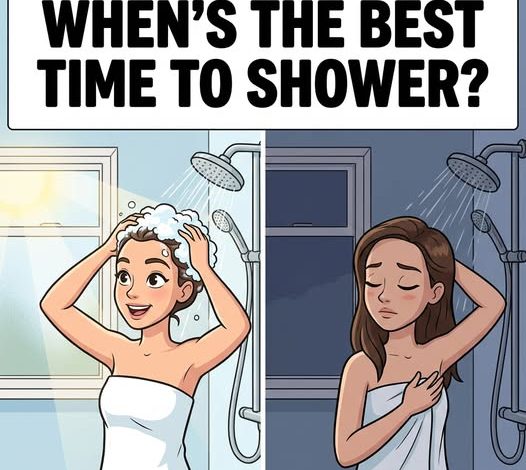
Is it better to shower in the morning or at night? The truth is, there’s no single “right” answer. Both have science-backed benefits, and the best choice depends on your body, your schedule, and your goals.
ADVERTISEMENT
This guide breaks down the pros and cons of each, what research says about timing, and how to choose the routine that works for you—without guilt or one-size-fits-all rules.
ADVERTISEMENT
🌅 Morning Showers: Refresh & Reset
For many, a morning shower is the ultimate wake-up ritual.
Benefits:
- Boosts alertness: Cool or lukewarm water stimulates circulation and wakes up the nervous system.
- Sharpens focus: Signals to your brain that the day has begun, improving mood and productivity.
- Saves evening time: Streamlines bedtime by moving hygiene into the morning.
- Fresh start hygiene: Washes away nighttime sweat, oils, or skincare residue.
- Hair styling advantage: Gives hair time to air-dry or style before heading out.
Pro Tips:
- End with 30 seconds of cool water for circulation.
- Keep showers short (5–10 minutes).
- Use gentle cleansers—skin is more sensitive in the morning.
- Moisturize while skin is still damp.
🌙 Evening Showers: Unwind & Prepare for Rest
For others, showering at night is the perfect way to transition from day to evening.
Benefits:
- Supports sleep: Warm water raises skin temperature; cooling afterward signals the body to rest.
- Reduces stress: Creates a buffer between work and bedtime, calming muscles and mind.
- Cleaner sleep environment: Removes sweat, pollen, and pollutants before bed.
- Skincare boost: Evening cleansing supports overnight repair cycles.
- Morning time saver: Lets you wake up ready to go.
Pro Tips:
- Shower 1–2 hours before bed for best sleep benefits.
- Use warm (not hot) water to avoid dryness.
- Add calming scents like lavender or chamomile.
- Keep electronics out of the bathroom to protect your wind-down time.
🔬 What Research Shows
- Sleep & Temperature: Warm showers 1–2 hours before bed improve sleep efficiency and reduce time to fall asleep.
- Skin Health: Evening showers remove pollutants and sunscreen; morning showers clear sweat and residue. For sensitive skin, timing matters less than technique—short, lukewarm showers plus moisturizer are key.
- Mental Health: Consistency matters more than timing. A regular shower routine can anchor your day and reduce stress.
🎯 How to Choose
Morning showers may suit you if:
- You wake up groggy and need a boost.
- You exercise at night and prefer to sleep clean.
- You need time for hair styling.
- Your evenings are unpredictable.
Evening showers may suit you if:
- You struggle to fall asleep.
- You have allergies or acne and benefit from nighttime cleansing.
- You prefer a calm, minimalist morning.
- You sweat heavily during the day.
Both may be best if:
- You’re very active and want to rinse twice.
- You have skincare routines that require AM and PM cleansing.
- You’re adjusting to shift work or jet lag.
⚠️ Note: Showering twice daily isn’t necessary for most people and can dry skin. If you do, keep one brief and lukewarm.
🚿 Smart Shower Habits (Any Time of Day)
- Keep showers under 10 minutes.
- Use lukewarm water.
- Moisturize within 3 minutes of drying off.
- Choose gentle, fragrance-free cleansers.
- Exfoliate 1–2 times per week.
- Install a water-efficient showerhead.
There’s no moral superiority to morning or evening showers. Your routine is valid if it serves you. Preferences may shift with seasons, stress, or life changes. Small adjustments—like switching to lukewarm water or moisturizing afterward—matter more than timing.
Wellness isn’t about rigid rules. It’s about listening to your body, your energy, and your life—and responding with kindness.