What Those White Bits in Spam Actually Are
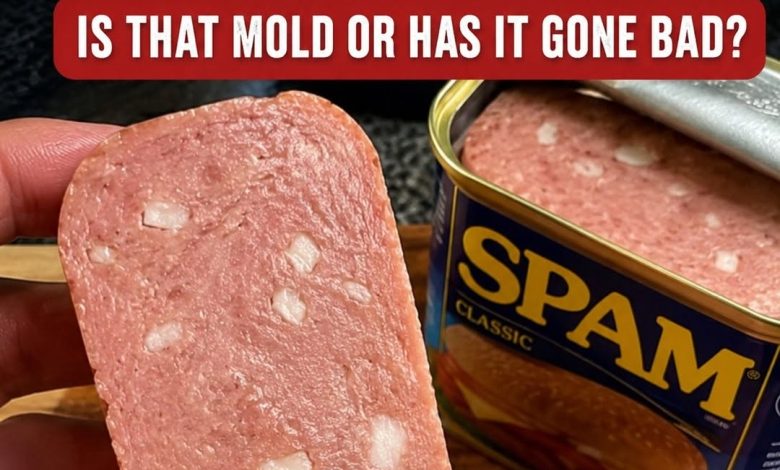
Have you ever cracked open a fresh can of luncheon meat, looking forward to a quick and delicious meal, only to stop dead in your tracks? That is exactly what happened to me not too long ago. I cut open a can of Spam recently and immediately noticed white lumps scattered throughout the meat. My first thought? Is this mold? I stood there, fork in hand, questioning whether I’d just ruined my lunch.
ADVERTISEMENT
It is a completely normal reaction to hesitate when something looks unexpected. If you’ve ever opened a can of processed meat, spotted unfamiliar white specks, and felt a flicker of panic—you’re not alone. Thousands of home cooks have looked at those tiny white dots and wondered if their food was still safe to eat.
ADVERTISEMENT
Let’s replace uncertainty with clarity. Here’s exactly what those white bits are, why they’re there, and how to tell the difference between harmless fat and something that actually warrants concern.
ADVERTISEMENT
“What’s Inside Spam, Anyway?”
To understand what those little pale spots are, it helps to take a step back and look at the simple recipe behind this iconic pantry staple. Before addressing the white lumps, it helps to understand what Spam is made of. Spam is a pre-cooked, canned meat product created by combining just a few basic ingredients:
-
Pork and ham: High-quality pork shoulder and ham form the savory, hearty base of the product.
-
Salt: Used for essential seasoning and to help preserve the meat naturally.
-
Water: Kept in the mix to ensure the blend stays moist and juicy during processing.
-
Modified potato starch: Added specifically for binding and texture, keeping everything held together beautifully.
-
Sugar: A tiny touch of sweetness to balance out the savory, salty notes.
-
Sodium nitrite: A standard preservative that prevents bacterial growth and maintains color, giving the meat its classic pink hue.
That’s it. No mysterious additives, no hidden “lumps” intentionally inserted. Like many processed meats, Spam contains pork fat as a natural component of the cut used. This isn’t filler—it’s functional. Fat contributes to moisture, texture, and flavor. Without it, Spam would be dry, crumbly, and far less sliceable. It would lose that smooth, uniform texture we expect.
Let’s look at how Spam is made: The meat is ground and blended with seasonings and preservatives, packed into cans, sealed airtight, and then cooked inside the can. This sealed, heat-processed method is what makes Spam shelf-stable and safe for long-term storage on your kitchen shelves for years.
“So… What Are Those White Lumps?”
Now that we know the basic recipe, let’s solve the mystery of those pale spots. The white specks you see are almost certainly solidified pork fat. Occasionally, you may also notice tiny bits of connective tissue within the fat—both are entirely normal in processed meats. You can see similar patterns in high-quality sausages and traditional deli meats.
Here’s the science behind why it happens: Pork fat appears white or off-white when cold and solid. When Spam is stored in the refrigerator, the fat firms up further, becoming more visible against the pinkish meat. At room temperature, the fat softens; when heated, it melts completely.
One reassuring detail: these white spots are typically distributed evenly throughout the can. Mold, by contrast, grows on surfaces—not uniformly dispersed inside a sealed, heat-processed product. Because the ingredients are thoroughly mixed together before cooking, the natural fat is spread all the way through the meat block.
“Fat vs. Mold: How to Tell the Difference”
It is completely natural to worry when you see something unexpected in your food. However, distinguishing between harmless fat and actual spoilage is straightforward when you know what to look for. You do not need to be an expert to tell them apart.
Normal fat will:
-
Feel smooth, firm, and integrated into the meat’s texture when touched with a fork or knife
-
Appear white or slightly creamy in color
-
Be evenly distributed throughout the product, rather than just in one isolated spot
-
Carry Spam’s standard salty, meaty aroma—nothing sour or off
Mold will:
-
Look fuzzy, powdery, or slimy to the eye
-
Show colors like blue, green, gray, or black
-
Grow on the surface or in isolated patches—not uniformly inside the meat
-
Emit a sour, rancid, or otherwise unpleasant odor that hits your nose immediately
Because Spam is sealed and heat-processed during production, internal mold growth is exceptionally rare—unless the can has been compromised or damaged during shipping.
“When to Discard Spam: Trust Your Senses”
While white fat specks are harmless, certain signs do indicate the product should be thrown away. Your health always comes first, so it is vital to know when a can has actually gone bad. Discard Spam immediately if you notice:
-
A bulging, warped, or swollen can (this is a major red flag that indicates bacterial gas production inside)
-
Liquid leaking from the can before opening it
-
Deep rust, severe dents, or damage along the seams of the metal container
-
A sour, rancid, or otherwise “off” smell after opening the lid
-
Slimy texture or unusual discoloration (gray, green, or black patches) on the meat
Can safety depends entirely on maintaining an intact seal. Once that seal fails, bacteria can enter and multiply. When in doubt, throw it out—but if the can is intact, the smell is normal, and the only unusual feature is white fat specks, your Spam is safe to eat.
A practical rule: When evaluating packaged foods, the condition of the packaging and the product’s smell are far more reliable indicators of safety than visual aesthetics alone. Simple appearance checks can sometimes play tricks on us, but our senses rarely do.
“What Happens When You Cook It?”
Here’s the most reassuring part: those white fat lumps don’t just disappear—they transform into something delicious.
When cold, pork fat is solid and white. When heated, it melts into a clear, liquid state. As you fry or bake Spam, the fat gently renders, absorbing into the surrounding meat. This is precisely why cooked Spam develops its signature juicy interior and crispy, caramelized exterior.
The first time I fried slices with visible white specks, I watched those firm bits soften, melt, and integrate seamlessly into the meat. That simple observation was all the confirmation I needed: this wasn’t contamination. It was chemistry doing exactly what it’s supposed to do. The heat of your skillet changes the structure of the fat, turning it into rich flavor that enhances your breakfast or dinner.
“Final Thought: Confidence Over Concern”
If you see white lumps in Spam and feel a wave of worry, take a breath. In nearly all normal circumstances, you’re simply observing solidified pork fat—doing its job to keep the meat moist, flavorful, and satisfying.
Before you cook, just run through this quick mental checklist:
-
Check the can for damage or swelling.
-
Smell the product after opening—does it smell like Spam should?
-
Examine the texture and color of the white bits—smooth and integrated, or fuzzy and isolated?
If everything checks out, you have no reason to hesitate. Those white specks aren’t a flaw. They’re a feature—a quiet reminder that good food doesn’t always look perfect, and that understanding what you’re eating is the best ingredient of all.
So slice, fry, and enjoy your meal with total peace of mind. The white bits? They’re just part of what makes Spam, well, Spam.