Okay chefs, can you explain why my breakfast is floating?
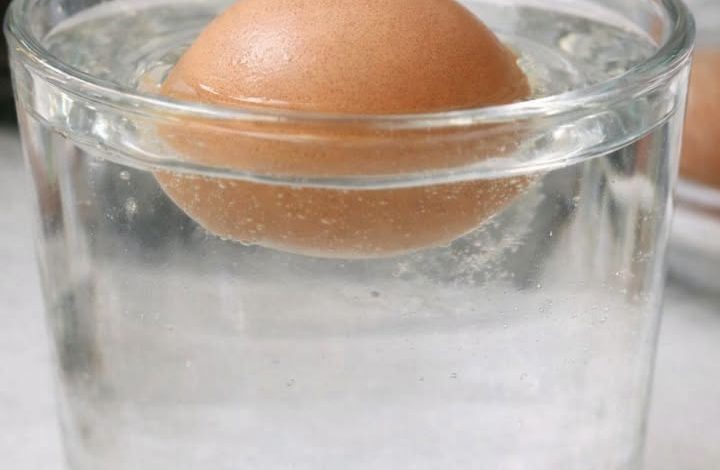
Have you ever been making breakfast, cracked an egg into a bowl of water, and watched it float right to the top? It can be a strange and worrying sight, especially when you are just trying to make a quick and healthy meal. Eggs are a core ingredient in kitchens all over the world. Because they are so common, there are many different myths, old wives’ tales, and rumors about how to tell if they are still good to eat.
ADVERTISEMENT
Learning the real science behind why eggs float can save you from getting sick from bad food. It can also help you understand how this everyday ingredient changes over time.
ADVERTISEMENT
Today, viral videos and internet life hacks often change how we act in the kitchen. The famous egg float test has become incredibly popular because it is a fast, free, and easy way to check if your eggs are fresh. However, not everyone knows the exact details of how the test works or how to read the results correctly. This guide will look closely at why your eggs might be floating and how you can use this test to keep your meals safe and delicious.
ADVERTISEMENT
1. The Viral Egg Float Test: What Your Breakfast Is Telling You
The egg float test is popular for a good reason: it allows you to test an egg without breaking the shell, and you do not need any special tools. The basic steps are incredibly simple. You just fill a glass or a deep bowl with water, drop the egg inside, and watch what it does.
-
Fresh Eggs: These will sink straight to the bottom and rest flat on their side.
-
Older Eggs: These might stand up on one end at the bottom of the bowl.
-
Spoiled Eggs: These will bounce or float all the way to the top of the water.
To get the most accurate results, make sure your container is deep enough so the egg has plenty of room to sink or swim. It is also important to use room-temperature water. Water that is too hot or too cold can change how the egg behaves and ruin the test. The test works because of a tiny air pocket inside the egg that grows bigger every day the egg sits in storage.
2. The Science Of Floaters: Air Cells, Density, And Buoyancy
Eggs are amazing pieces of natural design. They have a hard outer shell, a thin inner membrane, and a center filled with water, proteins, and fats. The moment a hen lays an egg, a tiny pocket of air forms inside it, usually at the wider end.
Eggshells might look completely solid, but they actually have thousands of microscopic holes called pores. As time goes on, moisture and gases like carbon dioxide slowly escape through these tiny holes. At the same time, outside air seeps into the shell to fill the empty space. This makes the internal air pocket grow much larger.
As the air pocket gets bigger and the liquid inside dries up, the egg loses its weight and density. This change in density alters its buoyancy, which is its ability to float in water. The older the egg gets, the more air it holds, and the higher it will float.
3. Fresh, Older, Or Rotten? How To Read An Egg’s Position In Water
The exact way an egg sits in a bowl of water tells a specific story about its age. By looking closely at its position, you can easily figure out what to do next.
-
Lying Flat on the Bottom: This means the egg is very fresh. The air pocket is tiny, and the egg is heavy. It is perfect for frying or poaching.
-
Standing Upright on the Bottom: This means the egg is a few weeks old. The air pocket has grown enough to lift one end up, but the egg is still completely safe to eat. You should plan to use these eggs soon.
-
Floating at the Surface: This means the egg is very old. The air pocket is large enough to act like a tiny life jacket, lifting the egg to the top. In most cases, it is safest to throw these eggs away.
While the float test is a wonderful guide, you should always combine it with other sensory checks before you make your final decision.
4. When Floating Is Fine: Situations Where Your Egg May Still Be Safe
Sometimes, an egg that floats a little bit might still be perfectly fine to use. For example, if an egg stands up and hovers slightly off the bottom but stays fully underwater without breaking the surface, it is usually still good.
These slightly older eggs are actually highly prized by professional chefs for hard-boiling. As an egg ages, its internal chemistry changes, making the shell much easier to peel off after it is boiled.
Before you cook a floating egg, you should always crack it open into a separate dish to inspect it. If it smells fine and looks normal, you can safely use it. Just make sure to cook it completely through in dishes like hard-boiled eggs or baked goods to lower any risk of food safety issues.
5. The Red Flags: Smell, Color, And Texture Checks After The Float Test
The float test is a great first step, but cracking the egg open is the ultimate way to know if it is safe. Always crack the egg onto a clean, white plate or bowl so you can inspect it clearly.
-
A Fresh Egg: The yolk will look like a bright, round dome, and the egg white will be thick and cloudy, sitting tightly around the yolk.
-
An Older Egg: The yolk will look flatter, and the egg white will be clear, thin, and watery, spreading out across the plate.
-
A Bad Egg: The most obvious sign of a rotten egg is a terrible, strong smell. A spoiled egg releases a foul sulfur odor that you will notice immediately.
If the egg smells bad, or if the yolk looks discolored and strange, do not hesitate to throw it out. Keeping your food safe is the most important part of cooking.
6. Fridge Habits That Quietly Turn Good Eggs Into Floaters
The way you store your eggs in the kitchen can cause them to age quickly, turning fresh eggs into floaters much faster than normal. To keep them fresh, eggs need to stay at a steady, cold temperature, ideally below 40°F (4°C).
Many people love to put their eggs in the built-in trays on the refrigerator door. However, this is actually the worst place for them. Every time you open and close the fridge door, the eggs are hit with warm kitchen air. These constant changes in temperature cause the egg to age rapidly. Instead, keep your eggs on the middle or back shelves of the fridge where the temperature stays constantly cold.
It is also smart to leave your eggs in their original cardboard or plastic carton. The carton protects the porous shells from soaking up strong smells from foods like onions or fish, and it slows down the rate at which the internal air pocket grows.
7. Cracked, Washed, Or Warmed: Handling Mistakes That Speed Up Spoilage
Proper handling is just as important as proper storage. Small mistakes in the kitchen can accidentally introduce bacteria into your food.
-
Cracked Shells: If you notice an egg has a crack in the store or at home, you should use it immediately or throw it out. A broken shell acts like an open door for dangerous bacteria to enter.
-
Washing Eggs: Avoid washing your eggs before storing them. Commercial eggs have a natural, invisible shield on the shell called the bloom or cuticle. Washing the egg strips away this layer, making it very easy for bacteria to get inside.
-
Leaving Eggs Out: Never leave eggs sitting on the kitchen counter for hours. When cold eggs warm up, they can sweat, creating moisture on the shell that helps bacteria grow. Always put your eggs back in the fridge as soon as you are done using them.
8. How Long Eggs Really Last: Sell-By Dates Vs. Actual Freshness
It can be confusing to look at the numbers stamped on an egg carton. Most cartons have a sell-by date or a best-by date. This date tells the grocery store how long they can keep the product on the shelf, but it does not mean the eggs go bad the very next day.
In reality, if you store your eggs properly in a cold refrigerator, they can stay fresh and safe for 3 to 5 weeks after the day you buy them.
Because dates can be misleading, using the float test and your own senses is a much better way to check for freshness than just reading the carton. An egg that is past its official date but passes the water test and smells fine is completely safe to cook with. This helps save money and reduces unnecessary food waste.
9. Smart Shopping: Choosing Eggs Less Likely To Fail The Float Test
If you want to buy eggs that will last a long time in your fridge, you need to look closer at the carton when you are at the grocery store.
Look for a three-digit code printed on the side of the box. This is called the Julian date. It tells you the exact day of the year the eggs were packed inside the carton. For example, a code of 001 means the eggs were packed on January 1st, while a code of 365 means they were packed on December 31st. Finding a carton with a recent packing date ensures you are getting the freshest product.
Buying your eggs from local farmers, reputable brands, or choosing pasture-raised options can also give you a fresher product. These operations often ship their eggs to stores much quicker than massive commercial farms, meaning they will last longer in your kitchen.
10. Chef-Approved Ways To Use Up Older (But Safe) Floating Eggs
If your eggs fail the float test by standing up or lifting slightly, but they still pass the sniff test, you do not have to throw them away. Professional chefs have great tricks for using these older eggs.
Baking is one of the best ways to use them. When you make cakes, cookies, brownies, or muffins, the egg is used to bind the ingredients together. The slight loss of freshness will not change the taste or texture of your baked goods at all. Quiches and casseroles are also perfect choices.
As mentioned before, hard-boiling is another smart option. Because the air pocket is larger, the egg white shrinks away from the shell slightly, making them incredibly easy to peel. You can turn them into beautiful deviled eggs or a delicious egg salad without tearing the whites to pieces.
11. When In Doubt, Throw It Out: Kitchen Safety Rules Chefs Swear By
At the end of the day, food safety should always be your top priority when working in the kitchen. Professional chefs live by strict rules to keep their customers healthy, and home cooks should do the same.
If an egg fails the float test, smells strange, has an odd color, or just feels wrong to you, do not risk your health trying to save a few cents. The ultimate rule for any smart cook is simple: "when in doubt, throw it out".
Along with checking your food, always practice good kitchen habits. Wash your hands thoroughly with warm water and soap after touching raw eggs, and sanitize your countertops and tools. By combining these easy safety steps with the egg float test, you can confidently cook delicious, healthy breakfasts for your family every single morning.