What It Means If You See a Yellow Ladybug: The Gentle Magic of These Golden Visitors (And Why They’re Just as Lucky as the Red Ones)
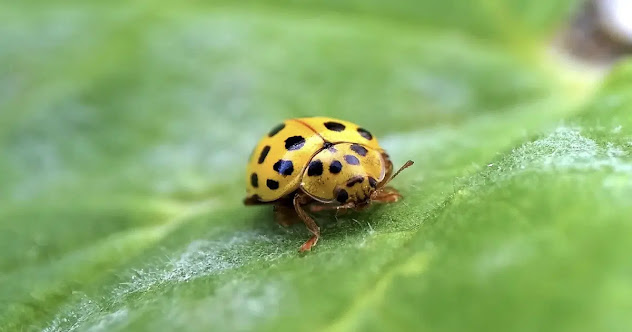
I remember the first time I spotted a yellow ladybug. I was outside enjoying a quiet afternoon, just watering my plants and taking in the fresh air, when I saw something land gently on my arm. At first, I thought it was a regular ladybug, but as I looked closer, I realized this one was a bright, buttery yellow. It was absolutely beautiful! I’d never seen one like it before, and I couldn’t help but wonder: Is this some kind of rare ladybug? Or is it even a ladybug at all?
ADVERTISEMENT
Naturally, my curiosity took over, and I had to look it up. Turns out, yellow ladybugs are just one of many different colors ladybugs can be. I had no idea there were so many beautiful kinds out there waiting to be discovered! And, just like the classic red ones we all know and love, yellow ladybugs are often seen as a wonderful symbol of good luck. But what else do they mean? And why are they yellow in the first place? If you’ve ever come across one of these golden little visitors and wondered what’s going on, here’s the scoop.
ADVERTISEMENT
Are Yellow Ladybugs Really Ladybugs?
First things first: yes, yellow ladybugs are absolutely real ladybugs. Nature is full of wonderful surprises! In fact, there are over 5,000 unique species of ladybugs out there in the world, and they come in a vibrant rainbow of different colors—red, orange, yellow, and even black.
ADVERTISEMENT
While we’re all most familiar with the classic red and black-spotted ones from childhood stories and garden visits, yellow ladybugs are just as much a part of the family. The most common yellow ladybug you’ll encounter during a walk outside is likely the 22-spot ladybug. You might also be looking at certain color variations of the Asian lady beetle, an insect that can naturally range in color from soft yellow to deep orange and bright red.
Why Are Some Ladybugs Yellow? The Beautiful Science
The color of a ladybug isn’t just a random accident of nature. It is actually a fascinating mix of genetics, their daily diet, and complex environmental factors.
The Pigment Story Ladybugs get their vibrant, eye-catching colors from natural pigments located in their protective shells. The deep reds and bright oranges come from carotenoids. Interestingly, these are the exact same natural pigments that make carrots orange! On the other hand, the beautiful yellow variations occur when there’s a different concentration or a unique combination of these natural pigments.
The Survival Advantage You might wonder: if red is so common and successful, why are some yellow? It turns out that color variation is actually a brilliant survival strategy in the wild. Different colors can help ladybugs blend seamlessly into different environments, easily avoid hungry predators, or better adapt to different shifting climates. A yellow ladybug might be much better camouflaged among certain bright flowers or sunlit foliage, giving it a very helpful, slight edge in that particular habitat.
What Does It Mean to See a Yellow Ladybug?
Across dozens of cultures and countless generations, ladybugs of all kinds have been widely considered comforting symbols of good fortune. Yellow ladybugs are certainly no exception to this rule. However, many people strongly believe that these golden bugs carry their own unique, special meanings that set them apart.
While red ladybugs are often deeply associated with love, romance, and passion, the gentle yellow ladybugs are frequently connected to completely different positive energies. If you spot one, it might represent:
-
Joy and optimism: Yellow is universally recognized as the color of sunshine, pure happiness, and uplifting positive energy.
-
Creativity and new beginnings: A yellow ladybug might just be a gentle nudge from the universe to finally embrace fresh ideas and start a new project.
-
Intellectual growth: Some old traditions and beliefs lovingly link the color yellow to mental clarity, deep focus, and lifelong learning.
-
Abundance and prosperity: Just like golden fields ready for harvest, yellow can be a beautiful way to symbolize wealth, comfort, and general good fortune.
A Personal Message Many people who spot yellow ladybugs often report that the magical little encounter happened during a major time of transition in their lives, or right when they desperately needed a little extra encouragement. Whether you personally believe in spiritual signs and symbols or not, there is just something undeniably uplifting and comforting about seeing one of these cheerful little beetles going about its day.
Yellow Ladybugs in the Garden: Are They Helpful?
Absolutely! You will be thrilled to know that, just like their red cousins, yellow ladybugs are highly beneficial insects. They work hard behind the scenes to help keep your backyard garden healthy and thriving.
What They Eat Most ladybugs, including the sunny yellow varieties, are voracious predators of common, annoying garden pests. They act as your garden’s tiny protectors. They love to feast on:
-
Aphids
-
Mites
-
Scale insects
-
Mealybugs
-
Other soft-bodied pests
Believe it or not, a single, tiny ladybug can easily eat up to 50 aphids a day! Having them living happily in your garden means that nature is doing all the hard pest control work for you, entirely without the need to ever use harsh, dangerous chemical sprays.
How to Welcome Them If you want to actively attract more yellow ladybugs—and all sorts of other beneficial insects—to your home garden, there are a few simple steps you can take:
-
Plant bright, welcoming flowers like dill, fennel, yarrow, and cheerful marigolds.
-
Avoid using chemical pesticides, which can harm these helpful bugs.
-
Leave a small, safe water source out for them, like a shallow dish filled with small pebbles and a little water.
-
Let some dedicated areas of your garden grow just a little bit wild to give them a natural habitat to hide and rest in.
Quick Guide: Yellow Ladybugs vs. Red Ladybugs
If you are curious about the main differences between these two colorful garden visitors, here is a simple breakdown of how they compare:
-
Common Species: When you see a yellow ladybug, it is most often a 22-spot ladybug or a variation of the Asian lady beetle. When you see a red one, it is usually the famous Seven-spot ladybug or the Convergent lady beetle.
-
Symbolism: Yellow ladybugs are beautiful reminders of joy and optimism, as well as creativity and new beginnings. Red ladybugs are classic symbols of love, protection, and general good luck.
-
Garden Benefits: Both colors are absolutely excellent at natural pest control. They are a gardener’s best friend!
-
Rarity: Yellow ladybugs are generally less common to stumble upon, but they are not considered extremely rare. Red ladybugs remain the most common and recognizable variety worldwide.
-
Diet: No matter their color, both yellow and red ladybugs share a healthy appetite for aphids, mites, and other pesky soft-bodied pests that ruin plants.