Understanding Nighttime Leg Cramps: When a Regular “Charley horse” Might Mean Something More
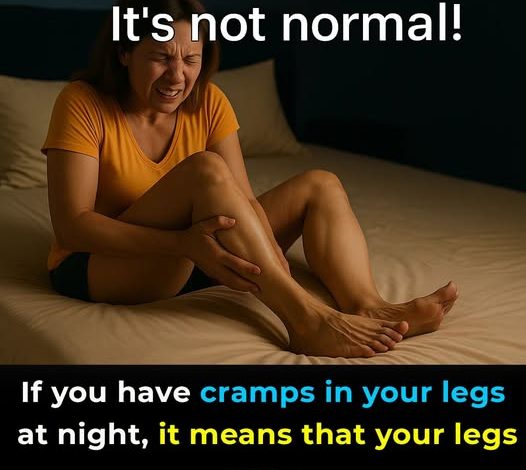
We have all experienced it at one point or another. You are deep in a peaceful sleep, dreaming happily, when suddenly a sharp, stabbing pain shoots through your lower leg. Your calf muscle locks up instantly into a hard, painful knot. You sit up quickly in bed, grab your leg, and try your best to stretch it out while wincing in the dark room.
ADVERTISEMENT
This sudden and painful experience is what many people call a nighttime leg cramp, or more familiarly, a "Charley horse".
ADVERTISEMENT
For millions of individuals all over the world, these sudden bursts of pain are a regular, though highly unpleasant, part of their sleep routine. It is very common for us to dismiss these episodes. We often tell ourselves that it is just a normal part of getting older, a sign that we forgot to drink enough water during the day, or simply a bout of "bad luck".
ADVERTISEMENT
In many situations, that is exactly what it is—a temporary nuisance. However, while having an occasional cramp is generally harmless, dealing with frequent or highly intense leg cramps at night can sometimes be a way for your body to send a warning sign. It might be pointing toward deeper, underlying health concerns that need your attention.
How can you tell the difference between a simple nighttime annoyance and a situation that requires a visit to a medical professional? Let us take a closer look at why these cramps happen, the key warning signs to watch out for, and the best ways to find comfort.
Why Do Our Legs Cramp Up at Night?
Nighttime leg cramps are sudden, painful contractions of your muscles that happen completely against your will. While they most frequently target the calf muscles, they can also lock up the muscles in your feet or your thighs. The pain occurs because a muscle suddenly shortens and tightens up, refusing to relax back into its normal state.
For the majority of people, the reasons behind these cramps are simple and closely tied to daily lifestyle choices. Some of the most common everyday causes include:
-
Muscle Overuse and Fatigue: If you push yourself too hard during the day, try a new workout routine, or stand for hours at work, your muscles can become exhausted. This exhaustion makes them more likely to spasm when you rest.
-
Not Enough Fluids: When you do not drink enough water throughout the day, your body becomes dehydrated. Muscles require a proper balance of fluids to contract and relax smoothly.
-
Sitting or Standing Still Too Long: Spending hours sitting at a desk or standing in one spot can cause your leg muscles to become stiff and can slow down healthy blood circulation.
-
The Way You Sleep: If you sleep on your stomach or back with your feet pointed downward, your calf muscles stay in a shortened position for hours. This specific posture makes it much easier for a sudden spasm to trigger.
-
Missing Essential Minerals: Your muscles need specific minerals, known as electrolytes, to function correctly. If your body is low on magnesium, potassium, or calcium, your muscles can easily misfire.
-
Pregnancy Changes: Expecting mothers, particularly those in their second and third trimesters, often experience regular leg cramps. This is usually due to the extra weight putting pressure on blood vessels and changes in regular blood circulation.
For most individuals, these painful moments only happen every once in a while. They can usually be fixed quickly by doing a gentle stretch, walking around the room for a minute, or massaging the area, and they might not happen again for weeks. But for others, the problem is much more persistent.
🚩 When to Worry: Tracking the Transition to a Chronic Issue
If you only get a leg cramp once a month, it is highly likely that you have nothing to worry about. But if your sleep is being disrupted on a regular basis by sharp pain, it is time to start paying closer attention. Nighttime leg cramps become a real concern when they stop being an occasional accident and turn into a chronic, repeating problem.
It is highly recommended to seek professional medical advice if you notice any of the following patterns:
1. The Cramps are Happening Too Often
If you are waking up with leg cramps more than three times a week, it is no longer just a case of "bad luck". This type of regular frequency is a strong pattern that could mean your body is struggling with poor blood circulation or irritated nerves.
2. The Pain is Severe or Lasts a Long Time
A typical muscle cramp will usually let go after a few seconds or a couple of minutes. However, if the pain you feel is absolutely overwhelming, or if your leg remains incredibly sore, tight, and tender for hours or days after the initial cramp is gone, it could mean there is an issue with your blood vessels or nerves.
3. Your Sleep Quality is Suffering
High-quality sleep is absolutely necessary for your mind and body to function correctly. If painful leg spasms are constantly interrupting your rest, it can quickly lead to daytime exhaustion, mood swings, trouble focusing, and even feelings of deep sadness or depression. A lack of regular sleep can harm your immune system and your heart health over time.
4. You Notice Other Strange Symptoms
You should be especially careful if your nighttime cramps are accompanied by other physical warning signs during the day. Keep a close watch for:
-
An unusual feeling of weakness in your leg muscles during daytime activities.
-
Visible swelling in your feet, ankles, or lower legs.
-
A feeling of numbness, tingling, or a “pins and needles” burning sensation in your legs or feet.
-
Urine that looks unusually dark or tea-colored, which can sometimes mean that muscle tissue is breaking down in a harmful way.
-
An overall feeling of deep exhaustion and feeling unwell without a clear reason.
🔍 Health Conditions Related to Persistent Leg Cramps
When leg cramps become severe and frequent, they are often a side effect of an underlying medical issue. Healthcare professionals frequently look into several common conditions when evaluating chronic cramps:
-
Peripheral Artery Disease (PAD): This condition happens when the arteries that carry blood to your limbs become narrowed and clogged. Because your muscles are not receiving enough blood and oxygen, they begin to ache and cramp up. While this often happens when you are walking, it can also happen when you are resting quietly at night.
-
Nerve Damage from Diabetes (Neuropathy): Over time, having high levels of sugar in your blood can cause damage to the delicate nerves in your body, especially the ones located in your legs and feet. This nerve damage can cause burning pain, numbness, and frequent muscle spasms.
-
Issues with Kidney Function: Your kidneys perform the vital task of balancing the levels of fluids and minerals like potassium and magnesium in your blood. If your kidneys are not working as well as they should, these minerals can quickly fall out of balance, causing your muscles to lock up.
-
Restless Legs Syndrome (RLS): RLS is a different condition than a muscle cramp, but they are often found together. RLS causes a powerful, uncomfortable urge to move your legs when you are trying to rest. Many people find themselves dealing with both problems at the same time, which makes getting a good night’s rest even harder.
-
Common Prescription Medications: A wide variety of daily medications list muscle cramping as an official side effect. These include diuretics (water pills) used for blood pressure that can wash away important minerals, statins used to manage high cholesterol, beta-blockers used for heart health, and certain types of inhalers used to treat asthma.
Important Note: If you notice that your leg cramps started happening right around the time you began taking a new prescription, please talk to your doctor about it. You must never stop taking a medication prescribed by a doctor without speaking to them first.
💡 How to Stop a Leg Cramp When it Strikes
When a sudden wave of pain forces you awake in the middle of the night, you need to act quickly to get relief. Here are the best steps to take to relax the muscle immediately:
-
Perform a Gentle Stretch: Gently straighten your painful leg out in front of you and pull your foot upward so your toes point toward your shin. This action forces the calf muscle to lengthen out. You can pull your foot back with your hands, or you can stand up and press your foot flat against the floor.
-
Massage the Area: Use your fingers to gently but firmly rub the hardened muscle knot. This helps encourage blood flow and coaxes the muscle fibers to let go.
-
Get Up and Walk: Standing up and taking a few slow steps around your bedroom can naturally stretch out the muscle and get your blood moving properly again.
-
Use Warmth or Cold: Pressing a warm heating pad or a warm, damp towel against the tight muscle can help it relax. If the area feels very hot and sore after the cramp is over, applying an ice pack wrapped in a cloth can help numb the lingering pain.
🛡️ Simple Everyday Steps to Prevent Cramps
While it is difficult to completely stop every single cramp from happening, making a few small adjustments to your daily routine can drastically cut down on how often they disrupt your sleep:
-
Keep Hydrated All Day: Make an effort to drink water consistently from morning until night. Waiting until right before bed to drink water will not help your muscles stay properly hydrated, and it might just cause you to wake up to use the restroom.
-
Stretch Before Crawling into Bed: Spend a few quiet minutes before sleep performing gentle stretches for your calf muscles and the back of your thighs. Keeping these muscles loose before you lie down can prevent midnight spasms.
-
Eat Nutrient-Rich Foods: Try to include plenty of foods in your daily meals that naturally contain magnesium, potassium, and calcium. Great choices include fresh bananas, avocados, sweet potatoes, leafy green vegetables, nuts, and seeds.
-
Fix Your Sleep Setup: Keep your bedsheets and blankets loose around the bottom of the bed so your feet are not trapped in a pointed position all night. If you sleep on your back, placing a soft pillow underneath your knees can keep your legs in a more natural, relaxed posture.
-
Choose the Right Shoes: Wearing comfortable shoes that offer good arch support during the day can stop your leg muscles from getting overly tired, which protects them from cramping up later when you are asleep.