The Power of Natural Herbal Infusions

ADVERTISEMENT
Herbal infusions—steeped teas made from leaves, flowers, roots, or barks—are among the oldest and gentlest ways to support everyday health. Unlike concentrated extracts or supplements, they provide mild nourishment for balance, digestion, sleep, and calm—without harsh side effects.
ADVERTISEMENT
This guide combines traditional wisdom with modern research to help you enjoy herbal infusions safely, effectively, and joyfully.
ADVERTISEMENT
🌿 Herbal Infusions: Gentle Plant-Based Wellness
🍵 What Is an Herbal Infusion?
An infusion is made by steeping herbs in hot (not boiling) water for 5–30 minutes.
- Tea bags → light flavor, convenience
- Infusions → deeper extraction, gentle therapeutic benefit
Basic method:
- 1–2 tbsp dried herbs (or 2–4 tbsp fresh)
- 1 cup hot water
- Steep 5–30 minutes, depending on the herb
🌸 8 Popular Herbal Infusions & Benefits
- Chamomile (Flowers)
- Calms nerves, eases digestion, promotes sleep
- Contains apigenin, a compound with mild sedative effects
- Steep 2 tbsp dried flowers for 10–15 mins
- ⚠️ Avoid if allergic to ragweed
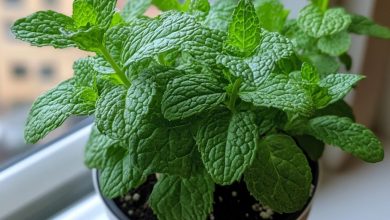
- Peppermint (Leaves)
- Relieves bloating, indigestion, headaches
- Menthol relaxes GI tract muscles; helpful for IBS
- Steep 1–2 tbsp leaves for 5–10 mins
- ⚠️ May worsen acid reflux
- Ginger (Fresh Root)
- Eases nausea, reduces inflammation
- Gingerols shown to relieve nausea and muscle pain
- Simmer 1-inch sliced root for 10–15 mins
- ✨ Add lemon & honey for immune support
- Lemon Balm (Leaves)
- Lifts mood, reduces stress, improves focus
- Shown to enhance calmness and cognition
- Steep 2 tbsp leaves for 10 mins
- Pair with chamomile for bedtime, green tea for clarity
- Hibiscus (Flowers)
- Supports healthy blood pressure, antioxidant boost
- Rich in anthocyanins; studies show modest BP reduction
- Steep 1–2 tbsp dried flowers for 10 mins
- ⚠️ May interact with BP or diabetes meds
- Nettle (Leaves)
- Allergy relief, mineral-rich (iron, calcium, magnesium)
- Acts as a natural antihistamine
- Steep 2 tbsp dried leaves for 10–15 mins
- ⚠️ Use dried only—fresh nettle stings
- Lavender (Buds)
- Calms anxiety, promotes restful sleep
- Approved in Europe for mild anxiety relief
- Steep 1 tsp buds for 5–10 mins (use sparingly)
- ⚠️ Never ingest essential oil
- Rooibos (Leaves)
- Antioxidant-rich, caffeine-free daily drink
- Contains aspalathin; may support heart & blood sugar health
- Steep 1–2 tbsp for 5–10 mins
- Naturally sweet, nutty flavor
⚠️ Safety Guidelines
- Pregnancy & Nursing: Avoid sage, parsley, licorice, and large amounts of peppermint or hibiscus. Chamomile and ginger are generally safe in moderation—check with your provider.
- Medication Interactions:
- St. John’s Wort interacts with antidepressants, birth control, and more.
- Hibiscus may lower blood pressure too much if combined with medication.
- Quality Matters: Use organic, food-grade herbs from trusted sources. Avoid unidentified “wildcrafted” plants.
- Start Low, Go Slow: Begin with 1 cup/day of a single herb. Notice how your body responds before adding more.
✨ Herbal infusions are more than drinks—they’re rituals of care. A warm cup can nourish body and mind, offering comfort that’s both ancient and timeless.