The Direction Your Ceiling Fan Should Spin Depending On The Season:
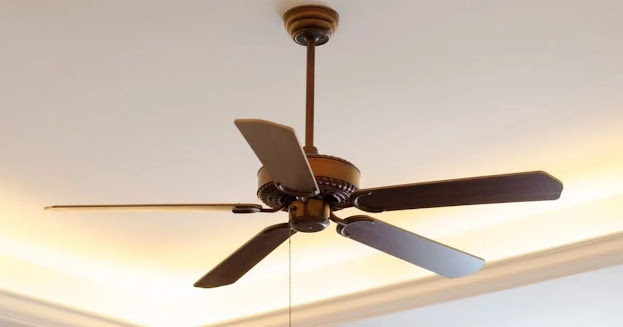
Ceiling fans are a staple in almost every home. They provide a pleasant breeze during the day and offer a soothing white noise that helps many people fall asleep at night. Because they are so common, it is easy to take them for granted and never look past the basic pull chain or wall switch. However, there is a hidden feature built into almost all ceiling fans that can completely change how you manage your home comfort.
ADVERTISEMENT
Ceiling fans are designed to spin in two different directions, and you should use one specific direction for the hot summer months and the opposite direction for the cold winter months.
ADVERTISEMENT
Adjusting this setting takes only a few seconds, costs absolutely nothing, and is one of the easiest ways to keep your living space comfortable while keeping your monthly utility bills under control. Understanding the simple science behind how your fan moves air will allow you to make the most of this helpful household trick.
ADVERTISEMENT
The Proper Ceiling Fan Direction for the Summer Months
When the weather outside gets hot and you turn on your cooling systems, your ceiling fan blades should be set to spin in a counterclockwise direction.
Why the Counterclockwise Direction Works
The mechanical design of a ceiling fan relies on the angle of the blades. When the blades rotate in a counterclockwise motion, their slanted shape bites into the air and forces it straight down toward the floor. It is important to know that a ceiling fan does not actually lower the thermostat reading or change the temperature of the air in the room. Instead, this downward movement of air creates a pleasant "wind-chill effect" on your body. As the air moves over your skin, it speeds up the natural evaporation of moisture, which instantly makes you feel much cooler than the actual room temperature.
The Major Benefits of Summer Mode
-
Immediate Physical Comfort: You get a direct, refreshing breeze right where you are sitting or standing, which provides instant relief from the heat.
-
Better Air Conditioning Efficiency: Because the moving air makes you feel cooler, you can easily raise your air conditioner’s thermostat by about 4 degrees without losing any comfort.
-
Lower Utility Bills: By relying more on the fan and less on the heavy workload of your air conditioner, you can reduce your overall cooling expenses by as much as 40 percent.
Important Usage Reminder: You should only keep your ceiling fan running when there are actual people or pets in the room. Since fans are designed to cool skin rather than cool empty spaces, leaving a fan running in an empty room does not help lower the temperature and simply wastes electricity.
The Proper Ceiling Fan Direction for the Winter Months
When the temperatures drop and you turn on your home heating system, you should change the direction of your ceiling fan so that the blades spin in a clockwise direction.
Why the Clockwise Direction Works
Basic physics teaches us that hot air naturally rises because it is lighter than cold air. Because of this, the warm air produced by your furnace travels straight up to the ceiling and gets trapped there, while the cooler air settles down near the floor where you are trying to relax. This leaves your feet cold while a large pocket of valuable heat sits uselessly at the top of the room.
When you set your fan to rotate clockwise at a very low speed, the angled blades do the exact opposite of what they do in the summer. Instead of pushing air down, they draw the cool air from the floor straight upward. This upward movement gently pushes the trapped warm air away from the ceiling, forces it out toward the walls, and guides it back down into the lower parts of the room. Because the air is drawn upward first, it redistributes the heat beautifully without blowing a cold breeze directly onto the people below.
The Major Benefits of Winter Mode
-
Balanced Room Temperatures: This setting eliminates annoying cold spots near the floor and keeps the temperature consistent from the ceiling down to the ground.
-
Reduced Demand on Your Furnace: When the trapped heat is distributed properly, your home feels warmer and more comfortable, which allows you to set your main thermostat a little lower.
-
Extra Energy Savings: Properly redistributing your indoor heat can lower your monthly heating bills by up to 15 percent, making it an excellent winter habit.
Step-by-Step Guide: How to Switch the Direction of Your Fan
If you have never adjusted the direction of your ceiling fan before, there is no need to worry. Modern fans are built with user-friendly controls that allow you to make this adjustment quickly and easily.
1. Check for a Remote Control
If your ceiling fan is a newer model that operates with a remote control, look closely at the buttons. Most of these remotes feature a dedicated button marked with a reverse arrow icon (⇅) or a specific direction switch. Pressing this button will automatically reverse the motor for you.
2. Examine the Main Motor Housing
If your fan does not have a remote control, you will need to look at the fan itself. Locate the central metal body of the fan just below the blades. There is almost always a small toggle switch located on this motor housing.
-
If the toggle switch moves vertically: Flip the switch to the UP position for the winter season (clockwise rotation) and push it to the DOWN position for the summer season (counterclockwise rotation).
-
If the toggle switch moves horizontally: Slide the switch to the LEFT side for the summer season (counterclockwise rotation) and slide it to the RIGHT side for the winter season (clockwise rotation).
3. Handling Older or Vintage Ceiling Fans
If you live in an older home or have vintage ceiling fans, you might find that there is no remote control and no physical switch on the motor housing. Many classic fans were manufactured to spin in only one direction, which is almost always counterclockwise. You can still use these older models effectively throughout the year by adjusting the speed settings instead:
-
During the Summer: Run the older fan on a medium or high speed setting to maximize the downward flow of air and get the strongest possible cooling breeze.
-
During the Winter: You can still benefit from the fan by running it on the absolute lowest speed setting available. While it will not create a true upward draft like a modern reversible fan, a very slow counterclockwise motion will still gently stir the air layers and help move the trapped heat away from the ceiling without creating a harsh, freezing draft.
Safety Reminder: Before you reach up to flip a manual switch or check the motor housing, always ensure that the fan is turned completely off at the wall switch and that the blades have come to a total stop.
How to Verify Which Way Your Fan is Rotating
It can be difficult to tell which way the blades are turning just by staring at a fast-moving blur. You can use these simple methods to confirm that your fan is set correctly for the season.
The Visual Check
Stand directly underneath the center of the ceiling fan and look straight up at the blades while the fan is running on a low speed.
-
If you see the blades moving from the top-left, down toward the right, and back up, the fan is moving counterclockwise. This is your summer setting, and you should feel a distinct breeze pushing down on you.
-
If you see the blades moving from the top-right, down toward the left, and back up, the fan is moving clockwise. This is your winter setting, and you should feel very little to no direct air movement underneath the fixture.
The Paper Test
If you are still unsure about the direction after looking at the blades, you can perform a quick test using a light piece of material. Turn the fan completely off and use a small piece of tape to attach a light strip of tissue paper, wrapping paper, or ribbon to the edge of one blade. Turn the fan on its lowest speed and watch the paper:
-
If the paper or ribbon blows firmly downward toward the floor, your fan is in summer mode.
-
If the paper flutters gently out toward the sides or upward toward the ceiling, your fan is in winter mode.
Simple Maintenance Practices for Maximum Efficiency
To get the best possible performance and the highest energy savings out of your ceiling fans, they need to be maintained regularly.
Regular Dusting
Over time, thick layers of dust can build up on the edges of the fan blades. This buildup creates aerodynamic drag, which forces the electric motor to work much harder and consume more power to spin the blades. Once a month, turn the fan off and wipe down both sides of the blades using a damp microfiber cloth or a long-handled duster to keep them smooth and clean.
Deep Cleaning Sticky Film
If your ceiling fan is located in a kitchen, near a dining area, or in a room with a fireplace, the blades can collect a sticky layer of grease and residue that traps dust quickly. For these areas, use a soft cloth dipped in a mild mixture of warm water and dish soap to gently scrub away the film, then dry the blades thoroughly with a towel.
Fixing a Wobbling Fan
A ceiling fan that shakes or wobbles while it spins is wasting energy and putting unnecessary stress on the internal motor. Check the connection points where the blades meet the center motor and tighten any loose screws with a screwdriver. If the fan continues to wobble after tightening the hardware, you can purchase an inexpensive fan balancing kit at any local hardware store. These kits include small plastic clips and adhesive weights that allow you to balance the weight of the blades perfectly, ensuring a smooth, quiet, and highly efficient spin.