Put down the Q-tip. Here are 8 safe and easy ways to remove ear wax buildup
Have you ever experienced that sudden, annoying feeling of your ear feeling muffled, as if you are underwater? Or maybe an unexpected tickle that just won’t go away? We have all been there.
ADVERTISEMENT
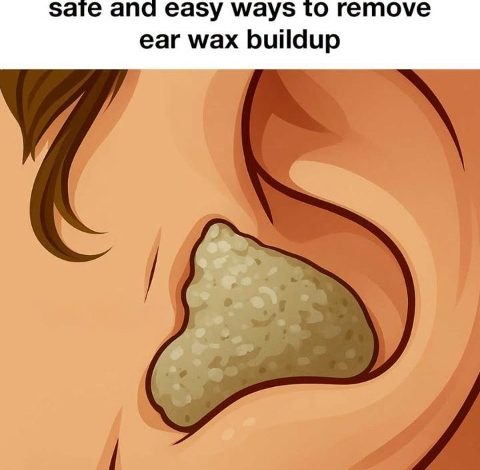
Ear wax, medically known as cerumen, is actually a wonderful, natural substance produced by the glands in your ear canal. Believe it or not, your body makes it for a very good reason! It acts as nature’s ultimate shield, trapping everyday dust, dirt, and microscopic particles before they can reach your delicate eardrum. On top of that, ear wax has natural antibacterial properties that help fight off unwelcome infections. It even works as a built-in moisturizer, keeping the sensitive skin inside your ear from getting dry, flaky, and uncontrollably itchy.
ADVERTISEMENT
In a perfect world, your ears are entirely self-cleaning. Everyday jaw movements—like chatting with a friend, laughing, or chewing your favorite meal—naturally push the old wax out of the ear canal. However, we do not always live in a perfect world. Sometimes, our bodies produce a little too much, or the wax gets pushed back in, causing uncomfortable blockages, pressure, and temporary hearing hiccups.
ADVERTISEMENT
The Real Dangers of Using Cotton Swabs
We all know the temptation. You feel a tickle, and you immediately reach for the bathroom cabinet. But using Q-tips, or any brand of cotton swab, to clean inside your ear is a habit you truly need to break. While it might feel good in the moment, it actually poses very significant risks to your hearing health.
Instead of scooping the wax out, the blunt shape of a Q-tip acts like a plunger, shoving the wax much deeper into the narrow ear canal. This creates a hard, stubborn wall of wax known as an impaction. This can lead to throbbing pain, muffled hearing, and, in severe cases, permanent damage to your delicate eardrum. Furthermore, the sensitive skin inside your ear is easily scratched by the tight cotton fibers, which can open the door to painful bacterial infections. This is exactly why medical professionals across the globe strongly beg you to stop using swabs for inside-the-ear cleaning.
How to Tell if You Have Excessive Wax Buildup
Sometimes it is hard to tell if you are just dealing with a minor ear tickle or a true blockage. If your wax has stopped moving naturally and has become impacted, you might notice a few frustrating signs. Keep an eye out for these common symptoms:
-
A sensation of fullness: Feeling like your ear is “stuffed up” or blocked with cotton.
-
Earaches: A dull, persistent ache deep inside the ear canal.
-
Tinnitus: A distracting ringing, buzzing, or humming sound in the affected ear.
-
Hearing loss: Finding yourself asking people to repeat themselves, or feeling like your hearing is partially muffled.
-
Unexpected symptoms: Surprisingly, a blockage can sometimes make you feel slightly dizzy or even trigger a persistent, dry cough!
If you are experiencing these issues, it usually means the wax has dried out, hardened, and is now stubbornly blocking the canal, meaning it is time for a gentle removal.
When to Skip Home Remedies and See a Pro
While the home remedies below are fantastic for general maintenance, your safety always comes first. There is a time and place for professional help.
If you are dealing with severe, sharp pain, fluid draining from the ear, or you suspect you might have an active ear infection, please skip the DIY route and consult a healthcare provider immediately. Also, if you have a history of ear surgeries, wear ear tubes, or have ever had a perforated (torn) eardrum, you should absolutely avoid treating yourself at home. An audiologist or Ear, Nose, and Throat (ENT) specialist has the perfect specialized tools, tiny vacuums, and expert techniques to clear your ears safely and painlessly.
8 Safe, Soothing Home Remedies to Try
If you have a standard, run-of-the-mill wax buildup and healthy eardrums, here are eight incredibly easy and gentle methods you can safely try from the comfort of your own home.
1. Saline Solution: A Gentle Saltwater Wash A simple saline solution is one of the safest, most natural ways to soften stubborn ear wax. It is essentially like a gentle ocean bath for your ear! Simply mix one teaspoon of regular table salt into half a cup of warm (not hot!) water and stir until it is completely dissolved. Grab a clean medicine dropper and place just a few drops into the affected ear while tilting your head sideways toward your shoulder. Relax and let the saltwater sit for a few minutes to do its softening magic. Finally, tilt your head back the other way over a sink or towel to let it drain out. You can repeat this relaxing routine daily until the blockage clears.
2. Olive Oil: Your Pantry’s Best Lubricant Olive oil isn’t just for cooking; it is a fantastic, natural moisturizer that can gently loosen hard wax. Warm a very small amount of pure olive oil so that it is roughly body temperature—be incredibly careful not to make it too hot! Using a dropper, place a few drops into the blocked ear. Lie down on the couch on your side for about 5 to 10 minutes. This gives the rich oil plenty of time to soak into the hardened wax. You can try this comforting method once or twice a day for a few days to get things moving.
3. Hydrogen Peroxide: The Bubbly Wax Breaker Hydrogen peroxide is famous for its ability to break down ear wax efficiently. You will want to pick up a standard 3% hydrogen peroxide solution from your local pharmacy. Place a few drops into the ear with a dropper. Don’t be alarmed if you hear a funny popping or fizzing sound—that is just the peroxide safely reacting with the wax and bubbling it away! After waiting a few minutes, simply tilt your head and let the liquid and the dissolved wax drain out into a tissue. Because it can be slightly drying, use this method with caution and stick to doing it no more than once a week.
4. Baking Soda Solution: A Mild, Soothing Exfoliant Baking soda is a miracle worker around the house, and it can also create a wonderful, gentle solution to dissolve ear wax. Just mix a quarter teaspoon of regular baking soda into two ounces of warm water. Use your handy dropper to apply a few drops into your ear, and let it sit quietly for about 10 minutes. The baking soda helps break the wax down into smaller, manageable pieces. Afterward, gently rinse your ear with a little warm water to easily flush everything out.
5. Warm Water Irrigation: A Mini Shower for Your Ear Sometimes, a gentle flush is all you need. Warm water irrigation is a straightforward method to physically wash out the wax. Pick up a rubber bulb syringe from the baby aisle at the drugstore, fill it with comfortably warm water, and gently squirt it into the ear canal while tilting your head to the side. The gentle stream of water should dislodge the wax. A quick warning: Always ensure the water is a comfortable, lukewarm temperature—water that is too hot or too cold can make you feel very dizzy or cause burns. Be gentle to protect your delicate eardrum!
6. Glycerin: The Ultimate Softener Glycerin is a widely used, deeply hydrating liquid you can easily find at the pharmacy. It is an incredibly safe and effective way to soften ear wax because it acts as an excellent lubricant. Just drop a few drops of glycerin into the ear using a dropper and let it sit for several minutes to soak in. You can safely repeat this gentle process up to three times a day for a few days until the hardened wax is finally soft enough to easily wipe away.
7. Vinegar and Alcohol Solution: The Swimmer’s Secret This classic mixture is brilliant because it tackles two problems at once: it helps dissolve ear wax and creates an environment that prevents pesky infections. Mix perfectly equal parts of plain white vinegar and standard rubbing alcohol. Use a dropper to place a few drops into the ear, taking a few minutes to let it sit before draining it out. The vinegar works hard to dissolve the waxy buildup, while the rubbing alcohol quickly dries up any leftover moisture in the ear canal, stopping bacteria in its tracks.
8. Over-the-Counter Ear Drops: The Convenient Store-Bought Fix If you prefer a ready-made solution, the pharmacy aisle is packed with over-the-counter ear drops formulated specifically to dissolve ear wax. These incredibly convenient products usually contain an active ingredient called carbamide peroxide, which is highly effective at breaking down stubborn wax. Just be sure to carefully read and follow the instructions printed on the packaging for the safest and best results. They are reliable, heavily tested, and a great option to keep in your medicine cabinet.
Crucial Tips for Safe At-Home Cleaning
When you are taking your ear health into your own hands, a little common sense goes a long way. Please remember these vital precautions:
-
Nothing smaller than your elbow: Never, ever insert sharp objects, bobby pins, paperclips, or matchsticks into your ear canal.
-
Follow instructions: Use all home remedies exactly as directed. More is not always better, and overusing drops can lead to dry, irritated skin.
-
Listen to your body: If your symptoms don’t go away, or if they start to feel worse, do not hesitate to reach out for professional medical advice.
-
Keep it simple: For regular everyday hygiene, simply wiping the outside curves of your ear with a soft, damp washcloth after your shower is all you really need to do.
Wrapping Up: Keeping Your Ears Happy and Healthy
Taking good care of your ears and maintaining proper hygiene is a huge part of your overall daily well-being. While we know that ear wax serves an amazing, protective purpose, letting it build up too much can lead to frustrating discomfort and annoying hearing drops.
By utilizing these safe, gentle, and highly effective methods for wax removal at home—and being smart enough to seek out a professional when things feel off—you can keep your ears clean, healthy, and hearing perfectly for years to come. Do not forget that regular check-ups with your family healthcare provider are a fantastic way to ensure any hidden ear issues are caught and handled promptly!
We do not give medical advice, diagnosis, or treatment.