Reusing Pistachio Shells: How to Turn Them Into Powder and Use It in Your Garden
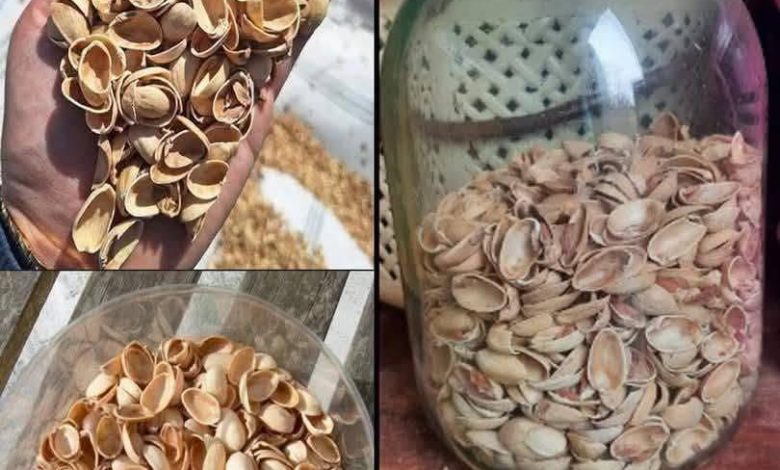
If you enjoy eating pistachios as a healthy snack, you probably end up with a large pile of empty shells on your kitchen counter. Most people do not think twice about tossing these hard shells straight into the garbage bin. However, experienced gardeners know an incredible insider secret: those discarded pistachio shells are actually a free, premium-grade resource that can transform the health of your backyard soil.
ADVERTISEMENT
Because these shells are naturally woody, tough, and exceptionally slow to decompose, they function beautifully as an organic alternative to commercial soil additives like perlite or peat moss. When you use them in your soil, they help with essential tasks like boosting aeration, improving water drainage, and helping the ground retain the perfect amount of moisture. By grinding them down into a fine powder or a gritty, coarse meal, you can speed up their natural breakdown process and create an outstanding, zero-waste amendment for your plants.
ADVERTISEMENT
Below is an in-depth, step-by-step guide on how to successfully transform your kitchen snack waste into a highly effective garden asset.
ADVERTISEMENT
The Important Rule: Always Address the Salt First
Before you begin processing your collection of shells, you must take a close look at how they were prepared. The vast majority of store-bought pistachios are heavily roasted and coated in salt. Excess salt build-up in your garden beds can severely harm your plants, dry out their delicate roots, and ruin the quality of your soil.
-
If you are using unsalted pistachios: You are in luck! You can completely skip the washing phase and go straight to the drying stage.
-
If you are using traditional salted pistachios: You must completely remove the salt before letting these shells anywhere near your garden. Follow the detailed desalination steps listed below.
Step-by-Step Guide: How to Make Homemade Pistachio Shell Powder
1. The Desalination Process (For Salted Shells)
-
Gather all of your empty, leftover shells and dump them into a large kitchen bowl or a deep colander.
-
Run warm water over the shells for several minutes, tossing them around thoroughly to wash away all the visible surface salt crystals.
-
Once rinsed, submerge the shells entirely in a large container filled with clean, fresh water. Allow them to sit and soak for a full 12/24 hour period.
-
To get the best results, change out the soaking water 1/2 times during this window. If you want to be absolutely certain that they are safe, take a tiny drop of the soaking water at the end of the day and taste it. It should taste entirely clean and fresh, without a hint of leftover salt.
2. Drying the Shells Completely
Before you attempt to grind the shells into a usable powder, they need to be bone-dry. If there is even a small amount of leftover moisture hidden inside the wood, the shells will clog your machinery and mash together into a thick, unusable paste.
-
The Natural Sun Method: Spread the clean shells out in a single layer on a large baking sheet. Place the sheet in an area that gets direct, hot sunlight and leave them outside for 2/3 days until all moisture evaporated.
-
The Quick Oven Method: If you want to speed up the timeline, spread the shells across a baking pan and place them into your oven. Bake them at a low temperature of 200°F (which is about 90°C) for 1/2 hours. Keep a close eye on them until they become completely brittle and dry.
3. Grinding to Your Perfect Gardening Texture
Because pistachio shells are incredibly durable and tough, you will need to select the right approach depending on how you plan to use them in your garden beds.
-
Creating a Fine Powder: If you want a silky powder, pour the dried shells into a clean coffee grinder or a high-powered spice blender. Pulse the machine in short, controlled bursts. If you are processing a massive batch, it is smart to wear a simple dust mask so you do not breathe in the fine airborne particles.
-
Creating a Coarse Meal: If you want a chunkier blend to help with soil drainage, wrap your dry shells inside a thick canvas towel. Use a heavy hammer, a mallet, or a metal meat tenderizer to smash the shells against a hard surface. You can also use a heavy-duty mortar and pestle to crack them down.
-
Creating Garden Mulch: If you want a long-lasting mulch, you do not need to grind them at all. You can leave the shells completely whole or simply snap them in half with your fingers.
Brilliant Ways to Use Pistachio Shell Powder to Supercharge Your Garden
Once you have successfully prepared your powder or crushed meal, it is time to put it to work. Here are some of the best ways to incorporate this zero-waste material into your daily plant care routine:
Aerate Heavy, Compacted Potting Soil
Over time, regular potting soil tends to press together, squeezing out air and making it difficult for delicate roots to expand. Pistachio shell powder works just like expensive store-bought perlite to keep the earth light and fluffy.
-
How to apply it: When potting a new plant, add roughly a 1/4 part of pistachio shell powder for every 1 part of standard potting soil. Mix it thoroughly. This ratio builds an ideal structural matrix, leaving tiny pockets of oxygen in the dirt so your roots can breathe easily and avoid rot.
Boost Long-Term Moisture Retention
If your garden has incredibly sandy soil, you know how frustrating it is when water drains away before your plants can take a drink. Mixing in organic matter is the ultimate remedy. As the fine pistachio powder slowly breaks down over the course of several months, it acts like a miniature sponge that captures water and slowly feeds it back to the roots.
-
How to apply it: Take about 1/2 a cup or a generous handful of the powder and work it directly into the top few inches of the earth around your favorite backyard plants or raised garden beds.
Supercharge Your Backyard Compost Pile
A healthy, active compost pile requires a careful structural balance between nitrogen-rich materials, often referred to as “greens” (like raw vegetable scraps and fruit peels), and carbon-rich materials, known as “browns” (like dry leaves and twigs). Ground-up pistachio shells serve as a fantastic, highly durable source of carbon for your “browns” requirement.
-
How to apply it: Periodically sprinkle a few cups of the powder or crushed shells directly over the top of your compost pile. Because the woody material breaks down at a very slow pace, it provides excellent long-term airflow to the pile, keeping the mixture light and stopping it from collapsing into a wet, slimy mess.
Create a Natural Barrier Against Slugs and Snails
Please note that this specific trick works best if you use your coarsely crushed shells rather than the fine powder. Soft-bodied garden pests like slugs and snails absolutely hate moving across sharp, jagged, or uncomfortable surfaces.
-
How to apply it: Pour a thick, solid ring of your sharply crushed pistachio shells completely around the base of vulnerable plants like hostas, marigolds, or fresh garden lettuce. This creates a completely natural, non-toxic barrier that keeps pests away without using harsh chemical sprays.
Decorative Top-Dressing for Potted Houseplants
When the soil inside indoor pots is left completely bare, the top layer can dry out into a hard crust that actually repels water during your weekly waterings.
-
How to apply it: Gently scatter a thin 1/4 inch layer of the fine powder or small, cracked shell pieces directly over the surface of the soil. This creates an attractive, rustic finish, insulates the soil to keep the roots cool, and prevents muddy water from splashing up onto the lower leaves of your plants when you water them.
The True Value of Household Resourcefulness
At its core, this simple gardening project is a wonderful example of how a little bit of resourcefulness can turn a household into a truly sustainable, zero-waste home. It encourages us to take a second look at the items we normally dismiss as trash and find the hidden value waiting inside them.
By dedicating a small amount of your time to rinsing, drying, and crushing your old pistachio shells, you are closing the waste loop directly in your own kitchen. You will save money on expensive bags of commercial soil conditioners, keep unnecessary waste out of local landfills, and give your indoor and outdoor plants a beautiful, well-aerated environment where they can truly thrive. The next time you sit down to enjoy a bowl of pistachios, make sure to save those valuable shells. With a tiny bit of creativity, you can turn your snack time into a beautiful investment for your garden.