Removing Car Paint Scratches: Simple Methods for All Damage Levels
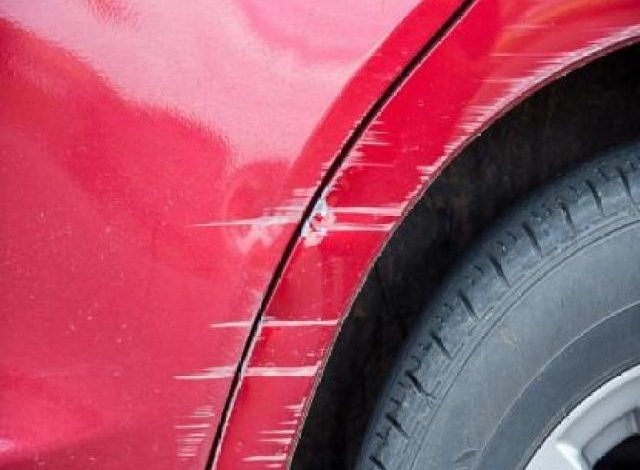
Finding a new mark or scratch on your vehicle’s paint can be frustrating. While taking your vehicle to a professional auto body shop for detailing is always a valid option, you can save a significant amount of money by managing minor surface imperfections at home with some basic DIY maintenance.
ADVERTISEMENT
Taking care of your car’s exterior does more than just keep it looking fresh and clean; it also protects the vehicle’s structural integrity.
ADVERTISEMENT
Fortunately, if the paint imperfection is shallow enough, it is a very affordable and straightforward home project. To figure out the exact depth of the damage, you can use the simple fingernail test. Gently run your fingernail across the affected area. If your nail glides smoothly across the top without catching or snagging, the area can easily be fixed with a DIY approach. However, if your nail catches or drops into a deep groove, your best option is to contact a local professional body shop for assistance.
ADVERTISEMENT
How to Remove “Barely There” Surface Marks
These are very light, faint marks that only affect the topmost clear coat layer of your car’s paint finish.
Required Tools and Equipment:
-
Cordless drill or a dedicated car buffer
-
Special polishing compound pad
-
Fine 3000-grit sandpaper
-
A clean microfiber towel
-
High-quality rubbing compound
-
Standard polishing compound
-
Plain white toothpaste (optional alternative)
If you cannot locate 3000-grit sandpaper at your local store, you can try using basic white toothpaste as an alternative. Because toothpaste contains very mild abrasive particles, it can work well for light polishing. Keep in mind that this household alternative only works on the absolute shallowest surface marks.
Because of this, if the toothpaste technique is taking too long or not giving you the desired results, it is best to switch to a specialized product like a 3M rubbing compound along with a mechanical buffer.
Step-by-Step Instructions:
-
Sand the Surface Lightly: Start by adding a little bit of clean water to dampen the scratched area. Gently work your ultra-fine sandpaper over the mark. You will know you have sanded enough when the scratch begins to look faded and less visible. Use your clean microfiber towel to wipe the area completely clean of any residue.
-
Apply the Compound: Place a small, quarter-sized amount of rubbing compound directly onto your polishing pad and spread it evenly over the area. Turn on your buffer or drill, aiming for a steady speed of around 1,200 rpm. Keep working the tool across the surface until the product looks a bit hazy. To finish up and restore the original glossy shine, apply a final polishing compound.
While many DIY enthusiasts use a standard cordless drill for this project, some professional restoration experts suggest being extra careful. A drill can sometimes move too quickly and create excessive heat on the surface. Instead, a dedicated car buffer is often a safer choice because it operates at lower, more controlled speeds.
How to Deal with Small, Moderate Scratches
If your fingernail catches slightly when you test the area, but you cannot see any bare metal or grey primer underneath, you are dealing with a moderate scratch. You can still fix this at home if you are ready to put in some physical effort and elbow grease. Before you start, always give your car a thorough wash so you do not accidentally rub dirt or dust into the paint during the process.
Required Materials:
-
A clean microfiber towel
-
A specialized vehicle scrubbing pad
-
Quality rubbing compound
Step-by-Step Instructions:
-
Apply the Product: Pour a quarter-sized dollop of your rubbing compound directly onto the scrubbing pad. Begin working the product into the scratch using firm, steady motions.
-
Clean Away the Leftover Product: After you have thoroughly covered the area, take your clean microfiber towel and wipe away all the extra residue so you can check your progress.
-
Repeat the Process if Needed: If the mark is still visible after the first attempt, go ahead and repeat the steps two or three more times. The mark should become harder to see with each pass. Keep going until you are completely satisfied with how it looks.
It is important to remember that fixing moderate marks without adding new paint means you are blending the surrounding clear coat.
How to Repair Deep Paint Scratches
When a scratch is deep enough that you can see the shiny or dark bare metal underneath, it requires a bit more care and preparation. However, you can still handle it yourself with the right tools and plenty of patience. If you do not have any prior experience dealing with deep automotive paint damage, it is highly recommended to speak with an expert or take your vehicle to a local professional shop to avoid accidental damage.
Required Tools and Equipment:
-
Assorted fine-grit sandpaper
-
A soft polishing pad
-
Several clean microfiber towels
-
Automotive masking tape
-
High-quality automotive primer spray
-
Matching vehicle touch-up paint
-
Protective paper or drape film
-
High-grade car wax
Step-by-Step Instructions:
-
Sand the Area Down: Wash the car thoroughly first to ensure a spotless surface. Then, carefully sand the area immediately surrounding the deep scratch until the bare metal is completely visible. Make sure to sand in the same direction as the scratch itself. Avoid sanding across it, as you do not want to create new marks on the body. For severe marks, a wet-sanding method works best. Keep a small container of water nearby to dip your sandpaper into frequently.
-
Apply Primer and Paint: Use your masking tape and protective paper to cover up the surrounding parts of the car that do not need paint to protect them from overspray. Spray a thin, even layer of automotive primer over the exposed metal and let it dry completely according to the package directions. Once dry, apply your matching touch-up paint. If you are unsure about your vehicle’s exact color code, you can usually find it on a manufacturer sticker inside the driver-side door jamb.
-
Blend and Polish: After the new paint has dried completely, you will want to polish the spot so it matches the rest of your vehicle perfectly. Put a quarter-sized amount of polish onto a soft pad or microfiber cloth and gently work it into the area until it blends seamlessly. Finish with a high-quality layer of car wax to protect your hard work and keep the paint safe from the elements.