Stop pulling this up—it’s not a weed. Here’s why
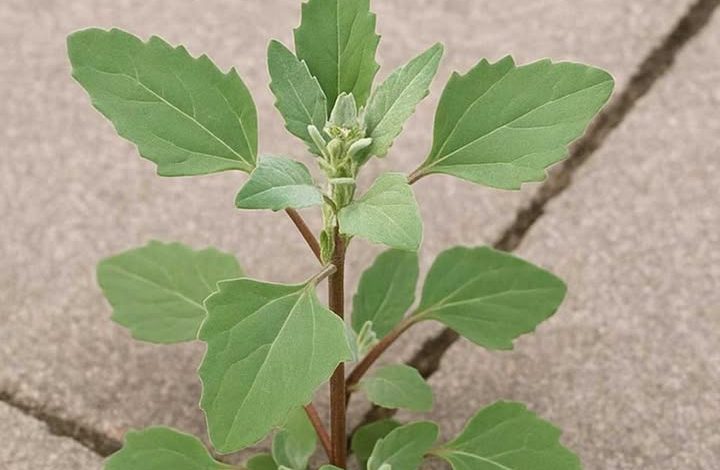
In the endless quest to create a neat and tidy garden, many of us are very quick to clear out any plant that looks out of place. We want our backyards to look perfect, so we immediately remove anything we did not plant ourselves. However, when we do this, we might actually be pulling up a hidden treasure.
ADVERTISEMENT
One of the most misunderstood plants in the backyard is Lamb’s Quarters. Most people dismiss it as an annoying garden weed and throw it away without a second thought.
ADVERTISEMENT
The truth is that Lamb’s Quarters, known by its scientific name “Chenopodium album”, is much more than a simple garden nuisance. This tough, hardy plant offers incredible benefits for your health, your kitchen, and your backyard ecosystem. Before you put on your gardening gloves and clear it away, let us look at why you should save this amazing plant.
ADVERTISEMENT
1. Discovering Lamb’s Quarters: A Misunderstood Plant
Lamb’s Quarters belongs to a very famous plant family called Amaranthaceae. This is the exact same family that gives us healthy greens like spinach and ancient grains like quinoa. It is an incredibly tough plant that can easily grow up to 1.5 meters tall when left alone.
If you look closely at the plant, you will notice that its green leaves often look like they have a light dusting of white, powdery sugar on them. This natural coating helps protect the plant.
This plant can grow almost anywhere. It loves rich garden soil, but it is just as happy growing in dry, neglected dirt by the side of the road. Because it grows so fast and spreads easily, people assume it is just a troublesome weed. But having it in your garden is actually a wonderful bonus once you understand what it can do for you.
2. Nutritional Powerhouse: The Superfood in Your Backyard
Lamb’s Quarters is not just an ordinary green plant. It is a true nutritional powerhouse that can compete with any expensive vegetable you buy at the grocery store.
The leaves are packed with essential nutrients that our bodies need to stay strong:
-
Vitamin A: Important for good eyesight and healthy skin.
-
Vitamin C: Great for boosting your immune system.
-
Vitamin K: Essential for healthy bones and blood health.
-
Minerals: It contains high amounts of calcium, iron, and magnesium.
To put this into perspective, just a single 100-gram serving of these fresh leaves can give you more than 200% of the vitamin A you need for the whole day. On top of that, it is an excellent source of plant-based protein, offering about 4.2 grams of protein per 100 grams. This makes it a fantastic, free ingredient for anyone following a vegetarian or vegan diet. It is just as healthy as spinach, but it costs absolutely nothing to grow.
3. Culinary Uses: From Salads to Sautéed Dishes
You can easily use Lamb’s Quarters in your daily cooking in many different ways. The young, tender leaves and top shoots can be picked and eaten completely raw. When you toss them into a fresh summer salad, they offer a gentle, earthy flavor that tastes very similar to regular spinach.
If you prefer warm meals, you can cook the leaves just like you would cook kale or Swiss chard:
-
Sautéed: Toss the leaves into a hot pan with a little bit of olive oil, garlic, salt, and pepper for a quick side dish.
-
Steamed: Steam them gently to preserve their bright green color and mix them into pasta dishes or omelets.
The culinary benefits do not stop with the leaves. Later in the season, the plant produces tiny seeds. You can harvest these seeds and cook them exactly like quinoa. They are wonderful when added to hot soups and stews to make them thicker, or you can even grind them into a fine flour for your home baking projects.
4. Medicinal Benefits: Nature’s Healer
For hundreds of years, people all over the world have turned to Lamb’s Quarters as a natural remedy. It has a long history in traditional herbal medicine because of its comforting qualities.
The plant is well-known for its natural anti-inflammatory properties. In traditional settings, people used it to help soothe uncomfortable joint swelling from arthritis or to calm down itchy skin irritations. If you get a bug bite or a minor scratch while working outside, you can crush the fresh leaves into a moist paste called a poultice and place it right on the skin to ease the discomfort.
Furthermore, this plant is an excellent friend to your digestive system. It contains a lot of natural dietary fiber, which helps your stomach process food smoothly. It also has a very mild laxative effect, which can naturally help relieve constipation without the need for harsh drugstore products.
5. Soil Health: How Lamb’s Quarters Enriches Your Garden
This plant does not just help humans—it also does incredible work to improve the quality of your garden soil. Lamb’s Quarters grows a very deep, strong taproot system. As these roots push down deep into the earth, they naturally break up hard, compacted dirt and heavy clay soil. This creates tiny tunnels that allow air and water to flow much better through the ground.
Additionally, the plant acts as a natural nutrient accumulator. Its deep roots reach down to grab valuable nutrients like nitrogen and phosphorus that are buried too deep for other plants to reach. The plant stores these nutrients in its leaves. When the plant naturally dies and breaks down at the end of the season, it drops those nutrients right back onto the surface of the soil. This creates a wonderful, free fertilizer that helps all your other garden vegetables grow stronger.
6. Wildlife Support: A Haven for Pollinators
If you want to bring more life into your backyard, letting some Lamb’s Quarters grow is an easy way to do it. The plant produces small, quiet flowers that might not look flashy to us, but they are incredibly attractive to local wildlife.
These flowers provide a steady source of sweet nectar and pollen for hard-working honeybees, beautiful butterflies, and other helpful insects. By leaving a small patch of this plant alone, you are helping to build a safe habitat that supports nature’s pollinators.
As the seasons change into autumn and winter, the plant becomes a life-saver for local birds. The heavy clusters of seeds stay on the plant even when it gets cold outside. This provides a crucial food source for hungry birds during the chilly months when other food options are hard to find.
7. Historical Significance: A Plant with a Rich Past
Lamb’s Quarters has been a trusted friend to humans for thousands of years. Long before modern grocery stores existed, various cultures relied on this plant to survive and thrive.
For instance, Native American tribes highly valued this green plant. They gathered it regularly because they knew it kept them strong and healthy. Over in Europe, people actually grew Lamb’s Quarters as a main garden vegetable for centuries. It was an incredibly popular dinner choice long before modern spinach became the standard green we use today. This rich history proves that the plant is a reliable, time-tested source of life.
8. Easy to Grow: Low Maintenance and Resilient
One of the best things about Lamb’s Quarters is that it requires absolutely zero effort from you. Most garden vegetables need constant watering, expensive fertilizers, and protection from the weather. Lamb’s Quarters is the exact opposite.
It can survive through dry spells without water, and it can grow perfectly well in poor, sandy, or rocky soil where other plants would quickly wither. It enjoys full sunlight but will happily grow in partial shade too. Once the plant grows to maturity, it drops its own seeds into the ground. This ensures that you will have a fresh, free supply of this helpful plant returning to your garden year after year.
9. Environmental Benefits: A Natural Soil Protector
Lamb’s Quarters acts as a natural shield for the earth beneath our feet. Because it grows thick and fast, its wide leaves create a protective green blanket over bare patches of soil. This ground cover is very important for preventing soil erosion. When heavy rains fall or strong winds blow, the leaves take the impact, keeping the precious topsoil from washing away.
In addition to saving your topsoil, this plant can help manage your garden naturally. By quickly taking up open space and using available sunlight, it can stop much more aggressive, harmful invasive plants from moving in. It helps maintain a healthy, peaceful balance in your backyard ecosystem.
10. Misidentification: Why It’s Often Mistaken for a Weed
The main reason people treat Lamb’s Quarters like an enemy is simply a lack of information. Because it pops up quickly in freshly dug garden beds, people automatically assume it is a dangerous weed that will ruin their yard.
How to Identify Lamb’s Quarters:
-
Leaf Shape: Look for leaves that are shaped like a triangle or a goose’s foot, with soft, jagged edges.
-
The Powder Test: Look closely at the undersides of the leaves. You should see a distinct, fine white powder that feels slightly velvety to the touch.
Once you know what to look for, it becomes very easy to spot. Learning these simple details will help you tell the difference between a useless weed and this highly valuable backyard asset.
11. Embracing Biodiversity: The Case for Keeping Lamb’s Quarters
We live in a world where natural biodiversity is facing many challenges. Because of this, changing the way we look at our gardens can make a big difference. Welcoming plants like Lamb’s Quarters into our yards is a wonderful step toward a greener future.
Instead of looking at this plant as an enemy that you need to get rid of, try looking at it as a helpful partner. It offers free nutrition for your kitchen, natural care for your body, and support for the soil and local wildlife. By opening our minds to the value of these resilient plants, we can create healthier, more sustainable outdoor spaces for generations to come.