Pour this 1 decadent mix over macaroni into a baking dish for a special-occasion treat that’s dangerously satisfying
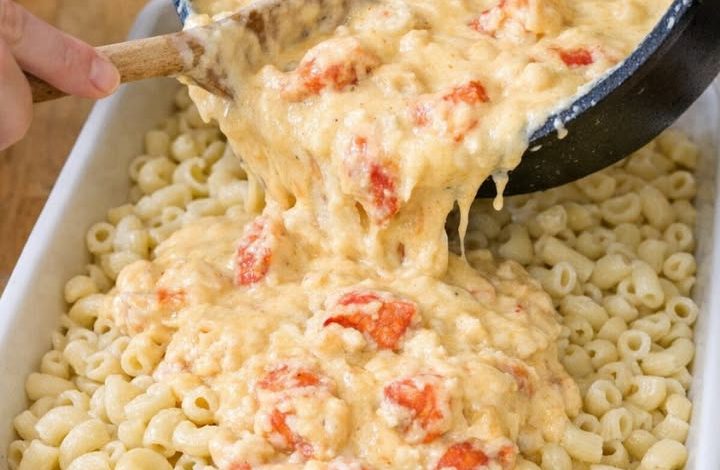
This Oven-Baked Lobster Mac and Cheese is a masterclass in starch-fat gelatinization and thermal protein encapsulation. By whisking unsalted butter and all-purpose flour, you construct a roux that thermally binds the wheat starches to the fat lipids, preventing them from clumping. Slowly streaming in warmed whole milk builds a stable, high-viscosity bèchamel emulsion. When sharp cheddar and Gruyère are gently folded in over low heat, the dairy proteins cross-link into a silky cheese matrix that coats the al dente elbow macaroni and delicate, pre-cooked lobster meat, trapping their volatile sweet aromatics under a protective crisp panko shield during the 375°F bake.
ADVERTISEMENT
Oven-Baked Lobster Mac and Cheese
Ingredients:
| Ingredient | Quantity |
| Elbow macaroni (uncooked) | 12 / oz |
| Unsalted butter (divided for roux/topping) | 3 / tbsp + 2 / tbsp |
| All-purpose flour | 3 / tbsp |
| Whole milk (warmed) | 3 / cups |
| Dijon mustard | 1 / tsp |
| Kosher salt (plus more for pasta water) | 1 / tsp |
| Black pepper | 1/2 / tsp |
| Paprika (sweet or smoked) | 1 / tsp |
| Sharp cheddar cheese (shredded, packed) | 2 / cups |
| Gruyère cheese (shredded, packed) | 1 / cup |
| Cooked lobster meat (chopped into bite-size pieces) | 1 / lb |
| Grated Parmesan cheese (optional for richness) | 1/2 / cup |
| Panko or plain breadcrumbs (optional topping) | 1 / cup |
| Fresh parsley (chopped, optional garnish) | 2 / tbsp |
Step-by-Step Directions:
Step 1: The Par-Starch Hydrolysis & Prep: Preheat your oven to 375°F and lightly grease a 9×13-inch baking dish. Bring a large pot of heavily salted water to a rolling boil. Drop the elbow macaroni and cook until just shy of al dente (shaving off 1 / minute from the box instructions). Drain completely and spread evenly in your prepared dish.
ADVERTISEMENT
Tip: Cutting the initial boiling window short is a vital structural requirement. The macaroni starches will continue to expand and absorb fluid during the secondary oven bake. If the noodles are fully hydrated in the water phase, they will over-saturate and collapse into a mushy, starchy paste rather than retaining a clean, firm bite.
ADVERTISEMENT
Step 2: The Starch-Fat Lipid Roux: In a medium saucepan over medium heat, melt 3 tablespoons of unsalted butter. Sprinkle in the flour and whisk constantly for 1/2 minutes until smooth, foamy, and pale gold.
Note: The mixture should bubble gently and smell slightly nutty, indicating the raw wheat starches have been thoroughly cooked out and insulated by the liquefied butter fats.
Step 3: The Viscous Emulsion Reduction: Slowly pour the warmed whole milk into the roux in a steady stream while whisking aggressively to smash any lumps. Cook over medium heat for 4/6 minutes until the liquid thickens into a velvet cream base. Whisk in the Dijon mustard, kosher salt, black pepper, and paprika.
Tip: Utilizing warmed milk is an absolute chemical efficiency milestone. Dropping ice-cold milk into a hot fat-flour roux causes the melted lipids to seize up and solidify instantly, creating stubborn, dense flour lumps that ruin the silkiness of your cream sauce.
Step 4: The Low-Temperature Protein Melt: Drop the heat to low. Add the sharp cheddar and Gruyère cheeses (plus the optional Parmesan) a single handful at a time, whisking gently until completely melted and glossy. Remove from the heat and fold the chopped cooked lobster pieces directly into the hot cheese sauce.
Note: The sauce must look completely unified and smooth, with a deep orange-amber hue and an even distribution of lobster pieces suspended in the liquid matrix.
Step 5: The Matrix Shell Assembly & Bake: Pour the lobster-cheese mixture evenly over the macaroni, using a spatula to nudge the sauce into the corners and down between the noodle gaps. If using the topping, toss the breadcrumbs with 2 tablespoons of melted butter until damp, and scatter them over the top. Bake on the middle oven rack for 20/25 minutes.
Tip: Let the finished casserole rest undisturbed for 5/10 minutes post-bake. Straight from the oven, the melted dairy fats and cheese proteins are highly fluid; a brief cooling window allows the gelatinized starches to lock up and re-emulsify the fats, ensuring clean, rich scoops that won’t separate on the plate. Top with fresh parsley and serve.