I tossed my tough cuts of stew beef in baking soda and let them sit before cooking. 20 minutes later, this is what happened

If you love cooking at home, you already know that working with tough cuts of beef can often be a challenge, especially when aiming for that perfect stew texture—tender, juicy, and full of flavor. Like so many of us trying to put a good dinner on the table, I have often found myself battling with the chewiness of stew beef. It can be incredibly frustrating to spend money on groceries only to end up with meat that gives your jaw a workout! For the longest time, I was endlessly searching for methods to achieve a melt-in-your-mouth result without resorting to hours of slow cooking. Sometimes, you just want a hearty meal without having to wait all day for a slow cooker to do its job.
ADVERTISEMENT
Recently, in a quest to transform my stew beef quickly, I stumbled upon a method that seemed almost too simple to be true: using baking soda. I have used baking soda for baking cookies and cleaning my kitchen, but putting it on my dinner? Intrigued by this unconventional approach, I decided to give it a try. The promise of tender beef in just 20 minutes was too tempting to resist. Armed with a bowl of tough stew cuts and a simple box of baking soda from my pantry, I embarked on a fun culinary experiment in my kitchen.
ADVERTISEMENT
Here is exactly how it went, step-by-step, and what you can expect if you try it yourself.
ADVERTISEMENT
1. Why I Reached for Baking Soda Instead of a Marinade
When we think of making meat softer, marinades are a popular choice for tenderizing meat, often involving a mix of acidic components like vinegar, wine, or citrus juices. I love a good marinade, but these can sometimes alter the flavor profile dramatically, which isn’t always desirable in a classic beef stew. You want your beef stew to taste like rich, savory beef, not like lemon or harsh vinegar.
Baking soda, on the other hand, offers a more neutral approach. The alkaline nature of baking soda raises the pH level on the meat’s surface, which can help break down proteins quickly without infusing additional flavors. The prospect of maintaining the beef’s natural taste while simply enhancing its texture was a key factor in my decision to use baking soda over a traditional marinade. It felt like a win-win situation!
2. The Simple Prep: How I Tossed and Timed the Stew Beef
I wanted to be very careful not to ruin my dinner, so to prepare the beef, I measured precisely one teaspoon of baking soda for every pound of meat. Please trust me when I say this ratio is crucial to ensure the beef is tenderized without an overpowering alkaline taste. You do not want to use a heavy hand here!
I sprinkled the baking soda evenly over my stew beef cubes, tossing them gently with my hands and ensuring each piece was lightly coated. Once coated, I let the beef sit on the counter for exactly 20 minutes. This brief period is all that’s needed for the baking soda to work its magic. During this time, I prepped the remaining ingredients for my stew—chopping up my carrots, onions, and potatoes—feeling confident that the beef was on its way to becoming perfectly tender.
3. What Happened in Those 20 Minutes on the Counter
I kept a close eye on the meat as I chopped my vegetables. During the 20-minute rest, the baking soda began to interact with the beef, secretly altering its surface chemistry right before my eyes. The alkaline environment created by the baking soda started breaking down the muscle fibers and collagen, making the meat feel slightly softer to the touch when I pressed on it with a fork.
Visually, there was no drastic change, but I noticed a slight sheen on the beef’s surface, likely from the interaction of baking soda with the meat’s natural moisture. It almost looked a little glossy. This subtle transformation hinted at the tenderizing process taking place, giving me hope that this kitchen hack was actually going to work.
4. The Searing Test: How the Beef Looked and Smelled in the Pan
When it came time to sear the beef, I was eager to see the results. I heated up a little oil in my heavy pot. As the beef hit the hot pan, it sizzled beautifully, developing a rich, brown crust. I was worried it might smell weird, but there was no noticeable difference in aroma compared to untreated beef, which was a huge relief. It just smelled like delicious, searing meat.
The beef cubes held their shape well, and the browning process seemed to be enhanced by the slight surface change, giving the beef an appetizing, deeply caramelized appearance. There were no signs of over-tenderization, such as falling apart prematurely in the pan, which was one of my initial concerns. It looked absolutely picture-perfect.
5. Texture Shock: The First Cut Into the Cooked Cubes
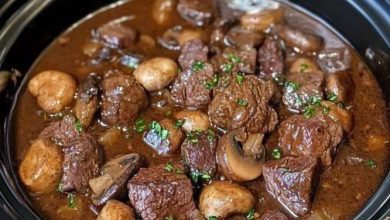
After cooking the stew and letting it simmer until the vegetables were done, it was finally time for the moment of truth. I eagerly cut into a piece of beef with my spoon. To my absolute delight, the spoon sliced through the meat with ease, revealing a beautifully tender interior. The texture was noticeably softer than what I had experienced with untreated stew beef in the past.
The meat retained its structure—it didn’t turn to mush—yet each bite was soft and juicy, providing the mouthfeel of meat that had been slow-cooked for hours on end. This was a remarkable transformation achieved in a fraction of the time. I honestly couldn’t believe I was eating the same cheap cut of meat I had purchased at the store.
6. Taste Test: Did the Baking Soda Change the Flavor?
Even though the texture was amazing, one of my main concerns was whether the baking soda would impart any off flavors to the beef. Nobody wants a stew that tastes like soap! After tasting a generous spoonful, I was so pleased to find that the natural beef flavor was completely intact. There was no detectable bitterness or alkaline taste whatsoever.
The beef tasted exactly just as it should in a hearty stew, absorbing the comforting flavors of the savory broth and vegetables while maintaining its own rich profile. This experiment proved beyond a shadow of a doubt that baking soda could tenderize effectively without compromising on taste.
7. Side-By-Side Comparison With Untreated Stew Beef
Because I love a good food experiment, for a thorough assessment, I cooked a small batch of stew beef without any tenderizing treatment alongside the baking soda-treated batch. I wanted to be absolutely sure I wasn’t just imagining things. The difference was immediately apparent.
The untreated beef, though flavorful, required so much more chewing and simply didn’t break down as easily in the mouth. It was exactly the tough, chewy experience I was trying to avoid. In contrast, the baking soda-treated beef was notably more tender, creating a much more enjoyable eating experience. This side-by-side test highlighted the effectiveness of baking soda in a way that was both visible and incredibly tangible.
8. The Science: How Baking Soda Actually Tenderizes Tough Cuts
You might be wondering how a simple pantry staple does this. Basically, baking soda tenderizes meat by raising the pH level on the surface of the meat, which reduces protein bonding. In simple terms, this chemical change causes the tight meat fibers to relax, unwind, and become much more tender. It acts incredibly quickly, which is why just 20 minutes of resting time is sufficient for noticeable results.
Moreover, this method does not penetrate deeply into the meat, which is why it is ideally suited for smaller cuts or pieces of meat, such as stew beef cubes or thin strips. The surface-level tenderization is enough to change the eating quality and texture without altering the meat’s core structure. It is a brilliant little piece of everyday food science!
9. Mistakes to Avoid When Using Baking Soda on Meat
While this trick is amazing, there are a few things you need to watch out for.
-
Measure carefully: The key to successfully using baking soda lies in the measurement. Overuse can lead to an unpleasant, soapy, or metallic taste. It’s crucial to stick to the recommended ratio of exactly one teaspoon per pound of meat.
-
Watch the clock: Additionally, timing is important. Leaving the baking soda on the beef for too long (like an hour) can result in overly mushy, unappetizing meat.
-
Rinse if necessary: Depending on the recipe, some people prefer to quickly rinse off any excess baking soda before cooking to ensure a clean flavor profile. If you do this, make sure to pat the meat completely dry with paper towels so it still sears nicely in the pan!
10. Best Dishes to Use This Baking Soda Beef Trick In
This baking soda method works absolute wonders for beef stew, turning those famously tough cuts into tender morsels that soak up flavor beautifully. But you don’t have to stop there!
It’s also highly effective for weeknight stir-fries, where quick tenderization is essential for even, fast cooking in a hot wok. Any dish that benefits from tender beef, such as a creamy beef stroganoff, fajitas, or quick beef tacos, can also be enhanced by this method. The trick is particularly advantageous in recipes where traditional long cooking times are simply not feasible because you are rushing to get dinner on the table after a busy day.
11. Will I Do It Again? My Verdict on the 20-Minute Hack
After experiencing the dramatic transformation in my stew beef firsthand, I am completely convinced that this baking soda trick is a worthwhile technique to have in my kitchen arsenal. It’s simple, it’s quick, and most importantly, it does not interfere with the natural, comforting taste of the meat.
For any dish where time is of the essence and tenderness is desired, this method is a true game-changer. I will definitely be using this hack again, particularly when working with budget-friendly, tougher cuts of meat that need an extra touch of tenderness. If you have 20 extra minutes to spare before you start cooking, I highly encourage you to try this method out for yourself—your family (and your grocery budget) will thank you!