How to Make Perfect Scrambled Eggs Every Time
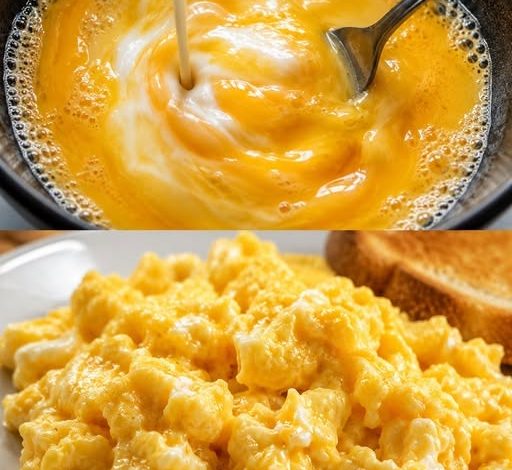
These Perfect Scrambled Eggs are a magnificent masterclass in everyday culinary luxury, transforming humble breakfast staples into an extraordinarily creamy, cloud-like masterpiece. Rather than relying on specialized tools, this chef-backed method champions the classic technique of low, gentle heat and slow folding. By allowing the egg proteins to coagulate slowly alongside rich, velvety butter, you create soft, glossy curds that completely redefine breakfast comfort food. It is an exceptionally high-reward, fast breakfast ritual that delivers an elite, custard-like texture in under ten minutes.
ADVERTISEMENT
Chef’s Perfect Scrambled Eggs
Ingredients:
| Ingredient | Quantity |
| The Core Egg Base: | |
| Large eggs (room temperature preferred) | 3 / units |
| Unsalted butter (divided; 1 tbsp for cooking, 1/2 tbsp cold for finishing) | 1 1/2 / tablespoons |
| Whole milk, heavy cream, or crème fraîche (optional richness booster) | 1–2 / tablespoons |
| The Finishing Aromatics: | |
| Fine salt | 1 / pinch |
| Freshly ground black pepper | To / taste |
| Fresh herbs (chives, dill, or tarragon; optional upgrade) | 1 / tablespoon |
| Flaky sea salt or favorite hot sauce (optional garnish) | To / taste |
Step-by-Step Directions:
Step 1: Prep and Whisk the Base: Crack your 3 room-temperature eggs into a small mixing bowl and pour in the 1–2 tablespoons of optional whole milk or cream if using. Whisk the mixture gently with a fork just until the yolks and whites are combined.
ADVERTISEMENT
A Friendly Kitchen Note: Do not over-whisk the eggs until they are completely frothy! Leaving small, subtle streaks of translucent egg white intact is perfectly fine and actually helps create a beautifully varied, multi-textured curd matrix in the pan.
ADVERTISEMENT
Step 2: Melt the Cooking Fat: Place a reliable non-stick skillet over low to medium-low heat. Drop in your first 1 / tablespoon of unsalted butter. Let the fat melt down slowly until it coats the bottom of the pan completely, but be highly vigilant that the heat remains low enough that the butter never sizzles, bubbles, or browns.
Step 3: Low-and-Slow Gentle Folding: Pour your whisked egg liquid directly into the warm, buttery skillet. Using a flexible silicone spatula or a wooden spoon, begin stirring the eggs slowly and continuously. Constantly push the cooked egg ribbons from the outer edges toward the center of the pan, folding them over gently. Maintain a relaxed pace for 3 / to 5 / minutes—this is not a high-speed whisking motion, but rather a slow, soothing fold.
Step 4: Identify the “Soft Set” Threshold: Watch the skillet closely as the liquid begins to transform. Your scrambled eggs are officially approaching completion when they form delicate, velvety, and creamy curds. The matrix must still look distinctly wet, shiny, and glossy across the surface; they should never look dry, matte, or stiff while resting over the burner.
Step 5: Pull Early and Emulsify: Take the skillet completely off the hot burner when the eggs are roughly 90% cooked through. Immediately drop your remaining 1/2 / tablespoon of cold unsalted butter and your optional fresh chopped herbs into the pan, stirring steadily. The cold butter will melt into the residual heat of the eggs, cooling down the pan instantly to halt the cooking process while creating a spectacularly silky emulsion. Season the eggs with a pinch of salt and freshly ground black pepper now—never before this moment.
Step 6: Plate and Serve Fast: Slide the soft, custard-like eggs out of the skillet and onto a warm serving plate immediately. Because eggs trap a massive amount of internal residual steam, they will continue to firm up slightly even after leaving the pan. Serve right away while pillowy soft and wonderfully warm!