Bloated Food Packaging: What It Really Means (And the Gentle Wisdom of Kitchen Safety)
Have you ever picked up a bag of potato chips at the grocery store and noticed that it feels unnaturally, almost comically puffed up with air? It is very easy to look at a container like that and think the manufacturer is trying to cheat you out of your money, or that a machine made a mistake on the assembly line. However, as it turns out, that extra space inside the wrapper is often entirely intentional and serves a vital purpose.
ADVERTISEMENT
Some products, like delicate snacks, have extra air (or more accurately, a highly specific blend of preservation gases) injected inside to protect them from being crushed into tiny crumbs during transport. This extra space acts as a protective cushion, ensuring that your food stays as crispy, whole, and perfect as you expect it to be when you finally open it at home.
ADVERTISEMENT
On the other hand, some foods use packaging with absolutely no air at all. This is particularly true for perishable, delicate items like block cheeses, deli meats, and sausages. The absence of air—often called vacuum sealing—helps prevent the growth of harmful microorganisms, maintaining the freshness, flavor, and safety of the product until it reaches your dining room table.
ADVERTISEMENT
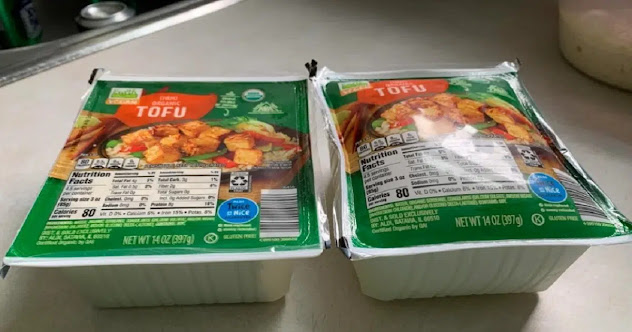
But what happens when a package that is supposed to be completely flat and tight suddenly looks like an over-inflated balloon? Bloated packaging does not always mean that the food inside has gone bad, but it is a major warning signal that demands our immediate attention.
When perishable foods swell up, it is often caused by the internal production of gas, such as carbon dioxide, which is released by tiny microorganisms living inside the food. While some of these microorganisms simply lead to standard food spoilage (which makes the food smell or taste bad), others can indeed cause severe, dangerous food poisoning. It is important to note that not all bloated packaging is unsafe—sometimes it is just a harmless change in the weather or elevation—but it should always be treated with extreme caution. Any doubts about the safety of the product should be addressed by following strict food safety guidelines.
Let’s gently walk through the fascinating science behind our food packaging, learn how to tell the difference between a harmless puff and a dangerous swell, and find out how to protect our health with a little bit of everyday kitchen wisdom.
🍟 The “Good” Air: Why Your Chips Are Puffed
When you buy a bag of chips, you might notice it feels more like an inflated pillow than a bag of snacks. This is actually a brilliant, modern form of food preservation called Modified Atmosphere Packaging (MAP).
Instead of just filling the bag with regular room air—which contains oxygen that would quickly cause the oils in the chips to go rancid—manufacturers flush the bag with a completely harmless mixture of nitrogen and carbon dioxide gas. This process offers two major benefits:
-
The Cushion Effect: The trapped gas acts like a built-in safety airbag for your snacks. It protects the fragile chips from breaking into dust when they are stacked in boxes, loaded onto delivery trucks, and placed on store shelves.
-
The Freshness Effect: By completely removing regular oxygen from the environment, the chips stay crisp and delicious. They will not go stale or develop a bad taste nearly as quickly as they would in normal air.
So, when you open that puffy bag, you are not being cheated by the company. You are experiencing a marvel of modern food science designed to bring you a perfect, crunchy snack every single time!
🧀 The “No Air” Approach: The Magic of Vacuum Sealing
If you walk over to the refrigerated dairy and deli meat aisle, you will see the exact opposite packaging approach. Packages of cheddar cheese, sliced salami, and hot dogs are almost always vacuum-sealed. This means all the air has been mechanically sucked out of the plastic, causing the wrapping to pull tightly against the surface of the food.
Why do manufacturers do this? They do it because many of the common microorganisms that cause food to spoil, rot, and make us sick require oxygen to survive and multiply.
By removing every pocket of air, we essentially put these bacteria to sleep and prevent them from growing. This simple method preserves the texture of the food, completely prevents mold growth, and keeps the items safe to eat for a much longer period of time. When you finally break that tight seal at home and hear that little hiss of air rushing inside, you can rest assured that the food has been perfectly protected from the outside world.
🎈 The “Bad” Bloated: When to Toss It Without Hesitation
Here is where we need to pay close attention and practice smart kitchen safety. If you buy a vacuum-sealed package of hot dogs, cheese, bacon, or smoked fish—which is supposed to be wrapped tight against the food—but you notice it has become puffed up, swollen, or bulging, do not eat it under any circumstances.
The Science of the Swell
When unwanted bacteria or yeast accidentally contaminate food, they begin to consume the natural sugars and nutrients found in the meat or dairy. As they digest the food, they “burp” out gases, which are primarily made of carbon dioxide. Because the plastic package is sealed tightly around the edges, that newly created gas has absolutely nowhere to escape. It slowly builds up inside the wrapper, causing the plastic to inflate like a balloon.
This reaction is a massive red flag for anyone working in a kitchen. It means that microorganisms have multiplied to highly dangerous levels inside the package. While some types of bacteria will simply make the food smell sour and taste terrible, other hidden pathogens—like Listeria or Clostridium botulinum (the rare but deadly bacteria that causes botulism)—can cause severe, life-threatening foodborne illnesses.
The Golden Rule: If a vacuum-sealed package of meat, cheese, or fish is bloated, swollen, or leaking, throw it away immediately. Do not taste it to “check” it. Your health is far more valuable than the cost of replacing the food.
🌤️ The “Innocent” Bloated: When Physics Plays a Trick
It is helpful to know that not all puffy packages are dangerous! Sometimes, a perfectly safe bag of chips or a sealed bag of salad greens looks incredibly bloated because of simple, natural changes in air temperature and altitude.
-
The Airplane Effect: If you have ever opened a bag of chips while flying on an airplane, you know it can feel incredibly tight and ready to burst. This happens because the air pressure inside the airplane cabin is lower than the air pressure on the ground. The gas trapped inside the bag expands outward against the lower external pressure, puffing it up. It is completely harmless.
-
The Hot Car Effect: If you accidentally leave a bag of chips or a sealed package of groceries in a hot car on a summer day, the intense heat will cause the gases inside the packaging to expand rapidly.
How to Tell the Difference
If a bag of chips is unusually puffy because it was sitting in a warm car, simply bring it into a cool room and let it rest. If the plastic shrinks back down to its normal size as it cools, it was just a harmless trick of physics.
However, if a perishable package of meat or cheese is swollen and also feels slimy, smells off, or has been left out in the heat for more than two consecutive hours, the warmth may have allowed dangerous bacteria to grow. When in doubt, it is always best to throw it out.
📋 A Quick Kitchen Guide for Packaging Safety
To help you remember these rules easily, keep these four common packaging scenarios in mind during your next trip to the grocery store or pantry:
Chip Bags and Snack Bags
-
What It Looks Like: Puffy, feels like a soft pillow, and is noticeably full of gas.
-
Is It Safe? Yes. This is intentional cushioning and nitrogen flushing to keep the snacks whole.
-
What To Do: Open it up and enjoy your crunchy snack!
Standard Vacuum-Sealed Meat and Cheese
-
What It Looks Like: The plastic wrapping is pulled perfectly tight with zero air trapped inside.
-
Is It Safe? Yes. This vacuum environment keeps the food fresh and safe from mold.
-
What To Do: Store it properly in the refrigerator and enjoy it before the “use by” date.
Swollen Vacuum-Sealed Meat and Cheese
-
What It Looks Like: Puffed up, swollen, or bulging outwards with trapped gas.
-
Is It Safe? No. Active bacteria are likely multiplying and producing gas inside the package.
-
What To Do: Throw it away in the trash immediately. Do not open or taste it.
Chip Bags on an Airplane or High Altitude
-
What It Looks Like: Extremely tight, firm, and feels like it is ready to burst open.
-
Is It Safe? Yes. This is just a temporary change caused by cabin air pressure.
-
What To Do: Open the bag carefully over your lap so it doesn’t pop, and enjoy your flight!