Got hydrangeas? 8 urgent things you must do this June to keep them from wilting in summer heat
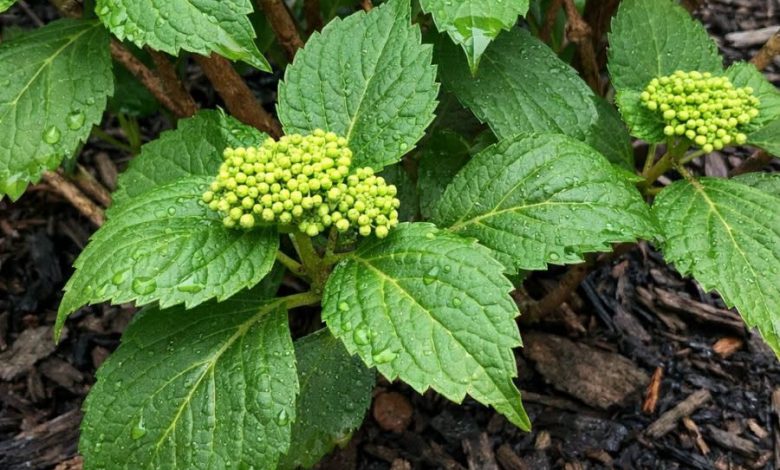
Welcome to the beautiful, rewarding world of summer gardening! If you are lucky enough to have hydrangeas in your yard, you already know how much joy their massive, vibrant flower heads can bring to a landscape. They truly are the stars of the summer garden.
ADVERTISEMENT
However, let’s be honest: as the intense heat of summer approaches, these gorgeous shrubs can quickly turn into drama queens. When the temperatures rise, they often face severe stress and begin to dramatically wilt. To make sure your beautiful plants do more than just survive the summer, June is the absolute most critical month to prepare them for the heat ahead.
ADVERTISEMENT
Whether you have been gardening for decades or you just planted your very first shrub, taking a few simple, proactive steps right now will make all the difference. Here is an expanded, easy-to-follow guide on the 8 urgent things you need to do this June to keep your hydrangeas thriving.
ADVERTISEMENT
1. “Know Your Hydrangea Type Before You Touch Those Pruners”
Before you even think about grabbing your gardening shears, it is incredibly important to figure out exactly what kind of hydrangea you have growing in your yard. There are several popular varieties out there, including mophead, lacecap, panicle, and smooth hydrangeas. Each one of these has its own specific personality and pruning rules.
For example, mophead and lacecap hydrangeas bloom on what gardeners call “old wood.” This simply means that the flower buds for this summer were actually created on the branches that grew last year. If you do heavy pruning on these varieties in June, you will accidentally chop off all of the developing buds, leaving you with a green bush and zero flowers!
On the flip side, panicle and smooth hydrangeas bloom on “new wood” (branches that grow in the current year) and usually prefer to be pruned in late winter or early spring. Understanding these differences is the secret to a yard full of blossoms. When you do need to prune, always make sure you are using sharp, sanitized pruners to make clean cuts. This keeps the plant healthy and prevents unnecessary stress.
2. “Deep-Soak Watering: The Once-or-Twice-a-Week Trick That Prevents Wilt”
Hydrangeas are incredibly thirsty plants. In fact, the “hydra” in their name actually comes from the Greek word for water! They require consistent moisture to stay upright and beautiful, especially when the weather gets dry and hot.
To keep them from dropping their leaves and wilting, you want to rely on the deep-soak method. Instead of giving them a light sprinkle of water every day, give them a deep, heavy soaking once or twice a week (depending on how much rain you are getting and how sandy your soil is). You want the water to reach at least 6 inches down into the earth. This encourages the roots to grow deep into the soil where it is much cooler, making the whole plant far more resilient to the blazing sun.
A quick tip for watering:
-
Always try to water in the morning. This gives the plant a nice big drink before the heat of the day sets in.
-
Morning watering also allows the leaves to dry off completely before the sun goes down, which is a great way to prevent annoying fungal diseases.
-
If you can, use a drip irrigation system or a soaker hose. These deliver the water right to the roots where the plant needs it most, preventing the water from just evaporating into the hot summer air.
3. “Mulch Like a Pro to Lock In Moisture and Cool the Roots”
Think of mulch as a cozy, protective blanket for your plant’s roots. Spreading a nice layer of mulch around the base of your hydrangeas is one of the absolute best things you can do for them. It acts like a sponge to hold moisture in the soil, stops annoying weeds from stealing nutrients, and acts like air conditioning for the root system.
For the best results, use an organic mulch like pine needles, shredded bark, or natural wood chips. You will want to spread a layer that is about 2 to 3 inches thick.
Important note: When you are laying down the mulch, make sure you leave a little bit of breathing room (a small gap) right around the main stem of the plant. If the wet mulch is touching the stem all the time, it can cause the plant to rot. Doing this simple task in June gives your plants a stable, comfortable environment to live in before the extreme July and August heat arrives.
4. “Shield Afternoon Sun With Smart Placement and Temporary Shade”
Hydrangeas are a bit picky about their sunshine. In a perfect world, they absolutely love the soft, gentle rays of the morning sun, but they want to be completely shaded from the harsh, burning afternoon sun.
If your plants are stuck in a spot where they are getting blasted by the sun at 2:00 PM, they are going to struggle. If you can’t dig them up and move them to a better location right now, don’t worry! You can create some temporary shade to help them out. You can use garden umbrellas or special UV-blocking shade cloths to give them a break during the hottest parts of the day.
Another wonderful, natural strategy is to plant taller companion plants nearby. As these taller plants grow, they will cast a cooling shadow over your hydrangeas, acting as a natural umbrella that reduces sun stress and keeps your blooms looking fresh.
5. “Feed Hydrangeas the Right Fertilizer at the Right June Moment”
Just like us, plants need good nutrition to look and feel their best. Feeding your hydrangeas in June gives them the extra boost of energy they need to produce those massive, show-stopping flowers we all love.
The trick is to use a balanced, slow-release fertilizer. Look for a bag that has a balanced N-P-K (Nitrogen, Phosphorus, Potassium) ratio on the label, such as 10-10-10. Always follow the instructions on the package so you know exactly how much to use.
Be very careful not to get overly generous with the plant food! If you over-fertilize your hydrangeas, the plant will get confused. It will put all of its energy into growing tons of big green leaves, but it will completely forget to grow any flowers. Giving them a light, proper feeding in early June is the sweet spot for a gorgeous summer display.
6. “Prune Only What’s Necessary So You Don’t Cut Off Summer Blooms”
We touched on this in the first step, but it is so important that it deserves its own reminder. When June rolls around, it is incredibly tempting to walk outside with your clippers and start tidying up your bushes. Resist the urge!
Pruning is an essential part of gardening, but in the summer, you have to be extremely careful. For those old-wood blooming hydrangeas, you should only be clipping off branches that are visibly dead, broken, or diseased. You can also snip off old, faded flowers if you want to keep the bush looking neat.
By keeping your pruning shears mostly in the shed during June, you guarantee that you aren’t accidentally throwing away this season’s beautiful blossoms.
7. “Triage Heat-Stressed Plants Fast With Emergency Hydration”
Even with the best preparation, a sudden, brutal heatwave can take a toll on your garden. If you walk outside and see that your hydrangeas are suddenly drooping, wilting heavily, or developing crispy brown edges on their leaves, they are showing you signs of severe heat stress.
When this happens, you need to act fast and play plant doctor. Grab your hose and give them some emergency hydration. Water the base of the plant deeply and thoroughly, making sure the moisture gets down at least 6 inches into the soil. Use a gentle spray or a watering can so you don’t accidentally blast the soil away from the roots.
Along with a good drink at the roots, you can also gently mist the leaves with water. This creates a little bubble of humidity around the plant and offers fast, cooling relief. (Just try to do the misting when the sun isn’t directly hitting the wet leaves, to avoid sunburn!)
8. “Prep Pots and Soil Mix Now If Your Hydrangeas Live in Containers”
Growing hydrangeas in pots on a patio or porch is a wonderful way to enjoy them, but container plants have a much harder time in the heat. Because their roots are trapped in a pot above the ground, the soil heats up faster and dries out much more quickly than it would in the garden.
If you have potted hydrangeas, you need to use a very high-quality potting mix that is designed to hold onto moisture while still draining well. You might even want to mix in some water-retaining crystals, which act like tiny sponges in the soil to hold extra water for the roots.
Make sure your pots have excellent drainage holes so the roots don’t sit in a puddle, and try to place the pots somewhere they will only get morning sun. Finally, a great trick for potted hydrangeas is to group several of your potted plants close together. When plants are grouped up, they actually create their own little humid microclimate, which helps protect all of them from rapid water loss and the harsh summer heat!