My glass baking dishes have a cloudy white haze that won’t wash off — what is it?
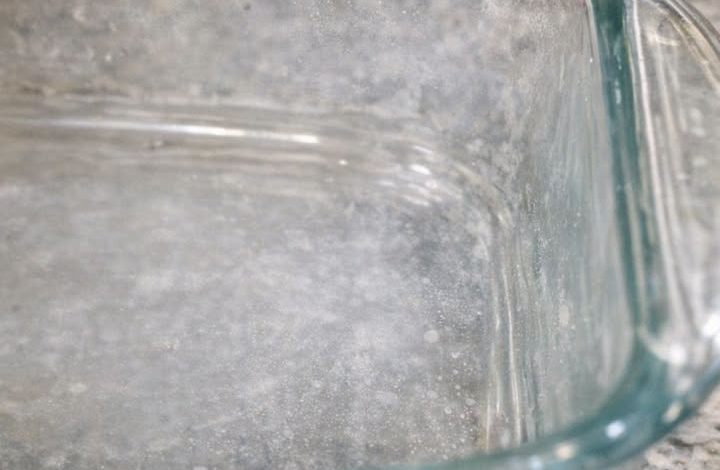
Glass baking dishes are an absolute staple in many kitchens. Home cooks prize them for their incredible versatility, even heat distribution, and ability to handle high oven temperatures for everything from lasagna to brownies. However, over time, you might notice a frustrating problem: a cloudy white haze developing on the surface of your beloved glassware.
ADVERTISEMENT
This stubborn, milky residue can be incredibly annoying, especially when it seems completely impervious to traditional scrubbing and dish soap. Understanding the exact nature of this haze is the first and most crucial step toward maintaining your glass bakeware in pristine condition.
ADVERTISEMENT
In this detailed article, we will dive deep into the real causes of this white fog, address whether it poses a safety hazard in your kitchen, and look at practical ways to fix, test, and prevent it from happening again.
ADVERTISEMENT
1. What That Cloudy White Haze on Glass Bakeware Really Is
When you notice a permanent-looking fog on your glass pans, you are usually dealing with one of two distinct issues: mineral buildup or permanent surface damage.
-
Hard Water Mineral Deposits: Most frequently, that cloudy white haze on glass bakeware is simply the leftover residue of hard water. Hard water contains high concentrations of naturally occurring minerals, specifically calcium and magnesium. When water gets on your dishes during washing and then evaporates, it leaves these microscopic mineral crystals behind. Over time, these minerals stack up into a visible, filmy layer. This issue is highly common in households where the water supply has a mineral concentration above 60 milligrams per liter.
-
Glass Etching: The second and more severe cause is a process known as etching. Etching happens when the actual surface of the glass becomes microscopically scratched, pitted, and roughened. This is not a layer sitting on top of the glass; it is actual structural damage to the glass itself. Unlike simple mineral deposits that can be dissolved, etching permanently changes the texture of the glass, making the cloudiness impossible to wash away.
2. How Hard Water and Minerals Etch the Surface of Glass
To protect your kitchen items, it helps to understand the science behind how water damages a surface as tough as glass. Hard water carries dissolved minerals that love to cling to surfaces. When you run a dishwashing cycle or leave a glass pan to air-dry, the water droplets slowly disappear into the air, but the calcium and magnesium ions cannot evaporate. They stay right where they are, bonding tightly to the glass.
As you wash the dish over and over again, a cycle of damage begins. The alkaline minerals from the water interact chemically with the silica, which is the main ingredient used to make glass. Under the right conditions—especially inside a hot, steamy dishwasher—these chemicals start to eat away at the glass on a microscopic level.
This chemical wear creates a rough surface that scatters light instead of letting it pass through smoothly, which is what gives the dish its foggy look. This etching process speeds up dramatically if you use harsh, highly abrasive chemical detergents or rough cleaning sponges, which wear down the protective smoothness of the glass even faster.
3. Is It Dangerous? Safety Concerns About Etched Glass Dishes
If you discover that your favorite baking dish is cloudy, your first thought might be about health and safety. The good news is that the primary concern with etched glass is not chemical toxicity, but rather aesthetics and physical durability. The etching process does not make the glass toxic, and it will not leach harmful chemicals into your food.
However, severe etching can eventually impact the physical strength of your bakeware. Glass relies on a perfectly smooth, uniform structure to handle intense oven heat. When a dish becomes deeply etched, those microscopic pits and rough patches act as tiny stress points.
When the dish experiences thermal stress—such as being moved from a cool countertop into a hot oven—these weak points are where the glass is most likely to crack or completely shatter. While using a slightly cloudy dish isn’t an immediate hazard, you should carefully monitor older, heavily foggy glassware for any deeper structural issues.
4. How to Tell Mineral Etching From Soap Scum or Grease
Before you spend hours scrubbing, you need to identify exactly what is causing the cloudiness. Treating permanent etching with heavy cleaners will only waste your time, while using the wrong method on grease might make a mess.
-
Mineral Etching: This typically looks like a highly uniform, dull, whitish sheet across the glass. It will not budge when you rub it with a standard soapy sponge, and if you run your fingernail over it when it is completely dry, it might feel slightly rough or chalky.
-
Soap Scum and Grease: These residues tend to look uneven, streaky, or localized in the corners where food cooks on. Grease will often feel slick or sticky, while soap scum can feel slightly waxy.
The Quick Vinegar Test: To easily tell them apart, apply a few drops of pure white household vinegar directly to a cloudy spot on the dry dish. Wipe it gently with a soft cloth. If the cloudiness clears up instantly (even if it comes back later once dry), you are dealing with mineral deposits. If the vinegar does absolutely nothing and the white film remains completely unchanged, the glass is likely permanently etched.
5. Cleaning Methods That Won’t Fix Etched Glass (And Why)
It can be tempting to use heavy-duty tools to clear up foggy glass, but many traditional cleaning habits will actually cause more harm than good.
-
Abrasive Scrubbing Pads: Steel wool, wire brushes, and the rough green side of heavy-duty sponges cannot smooth out etched glass. Instead, they cut new micro-scratches into the surface, which adds to the cloudiness and makes the problem worse.
-
Harsh Chemical Cleaners: Using highly alkaline oven cleaners, industrial bleach, or heavy chemical powders can backfire. These chemicals react aggressively with the silica in the glass, deepening the microscopic pits and accelerating the etching process rather than cleaning it.
-
Excessive Muscle Power: Scrubbing with extreme force using normal dish soap will not fix the issue either, because you cannot physically scrub away holes and scratches that are built into the material itself.
6. When Vinegar, Baking Soda, and Scrubbing Can Still Help
While you cannot reverse permanent etching, you can absolutely rescue glass dishes that are simply coated in heavy mineral buildup. Household items like white vinegar and baking soda are excellent, gentle tools for this job.
-
The Vinegar Soak Method: Find a container large enough to hold your baking dish, or fill the kitchen sink with a mixture of equal parts warm water and plain white vinegar. Submerge the cloudy glass dish completely and let it sit undisturbed for 30 to 60 minutes. The mild acid in the vinegar will break down and dissolve the stubborn calcium and magnesium bonds. After soaking, wipe the dish down with a soft microfiber cloth and rinse thoroughly.
-
The Baking Soda Paste Method: For localized, stubborn mineral spots, you can use baking soda as a completely safe, ultra-mild abrasive. Mix a small amount of baking soda with a few drops of water to create a thick paste. Apply this paste to the cloudy sections and let it rest for 5 to 10 minutes. Using a soft, non-abrasive sponge, rub the paste over the spots in gentle, circular motions, then rinse it clean with warm water.
7. Tests to Confirm If Your Glass Is Permanently Etched
If you want to know for certain whether your glass dish is a keeper or permanently damaged, you can run two simple diagnostic tests at home.
-
The Clear-Water Inspection: Start by washing the baking dish as thoroughly as possible using warm water and liquid dish soap to remove all surface grease. Rinse it completely. While the dish is still dripping wet, look through the glass. If the cloudy haze completely disappears while the glass is wet, but returns the exact moment the dish dries, you are looking at permanent etching.
-
The Non-Gel Toothpaste Test: Take a small dab of standard white, non-gel toothpaste (which contains very fine polishing agents) and rub it onto a small, dry, cloudy area of the dish using a soft cloth for about 60 seconds. Rinse the toothpaste away completely and dry the spot. If the haze is noticeably reduced, it was just surface mineral buildup. If the spot looks identical to the rest of the foggy dish, the glass is permanently etched.
8. Everyday Habits That Make Mineral Etching Worse
Often, the way we manage our kitchens inadvertently speeds up the destruction of our glassware. Several common daily habits make mineral etching worse:
-
Running the dishwasher with very hard water and skipping the rinse aid. Rinse aids are designed to make water sheet off dishes quickly so minerals cannot settle.
-
Using excessive amounts of powdered dishwasher detergent, which acts like a sandblasting agent on glass during the wash cycle.
-
Utilizing the highest heat settings and heated dry cycles in the dishwasher, which bakes the hard water minerals directly into the silica framework of the glass.
-
Scrubbing your glass bakeware with metal spatulas, forks, or steel mesh pads during everyday cooking and cleaning.
9. Smart Ways to Prevent Cloudy Build-Up on Glass Bakeware
The best way to deal with cloudy glass is to stop it from forming in the first place. By shifting your routine slightly, you can keep your glassware looking brand new for years.
-
Switch to Hand Washing: The single most effective preventative measure is to hand wash your valued glass bakeware using mild liquid dish soap and warm water, avoiding the harsh environment of the dishwasher entirely.
-
Dry Immediately by Hand: Never let your glass baking dishes air-dry in a rack. Instead, grab a clean, dry, soft microfiber towel and dry the dish completely immediately after rinsing. This removes the mineral-heavy water before it has a chance to evaporate and leave deposits.
-
Use Rinse Aids and Softeners: If you must use the dishwasher, always ensure your rinse aid compartment is full. If your home has incredibly hard water, using a whole-house water softener or adding water-softening powders to your wash cycles can protect all of your kitchen glass from decay.
10. When to Keep Using Cloudy Glass — And When to Toss It
You do not necessarily need to throw away a dish just because it looks a bit foggy. Knowing when to keep a dish and when to discard it comes down to checking for structural safety.
-
When to Keep It: If the cloudiness is minor, uniform, and passes the safety checks without showing deep scratches, you can absolutely keep using it. It is perfectly safe for baking casseroles, roasting vegetables, or holding cold dishes.
-
When to Toss It: Take the dish under a bright light and inspect it closely. If you see deep, distinct white lines, physical grooves, internal micro-cracks, or chips along the edges, it is time to safely discard or recycle the dish. Under high oven heat, these structural flaws can cause the entire dish to break apart violently, ruining your meal and creating a dangerous cleanup situation.
11. What to Buy Instead: Better Options for Future Baking
If your glass bakeware is permanently ruined and you need to look for replacements, consider alternative materials that handle hard water and wear much better.
-
Borosilicate Glass Bakeware: If you love the benefits of glass, specifically look for dishes made from borosilicate glass rather than standard soda-lime glass. Borosilicate glass is highly resistant to thermal shock and handles chemical wear much better, making it far less likely to etch over time.
-
High-Quality Ceramic Bakeware: Glazed ceramic and stoneware dishes offer beautiful heat retention, look excellent on a serving table, and feature a tough fired glaze that resists mineral etching beautifully.
-
Stainless Steel Bakeware: For unmatched durability, premium stainless steel pans will never shatter, crack, or suffer from glass-style etching, making them a true lifetime investment for your kitchen.
-
Safe Non-Stick Options: You can also consider modern non-stick baking pans, just ensure they are labeled as free from harmful legacy chemicals like PFOA and PFOS to ensure clean, healthy cooking for your family.