This Is Why Your Defrosted Salmon Has Yellow on It
ADVERTISEMENT
🐟 Yellow Spots on Defrosted Salmon: What They Mean
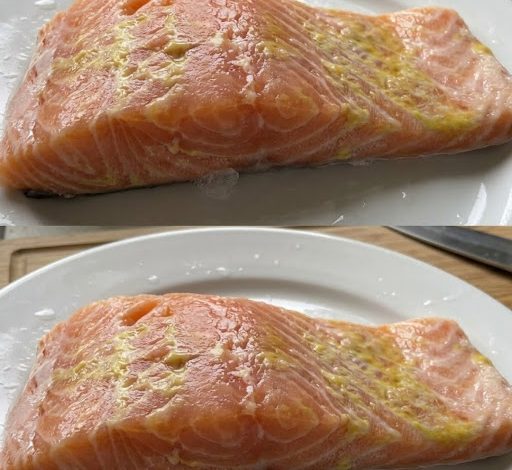
If you’ve noticed yellow or yellow-brown patches on thawed salmon—especially near the edges or fatty areas—don’t panic. In most cases, this isn’t spoilage but a natural chemical change.
ADVERTISEMENT
🟡 The Cause: Fat Oxidation
Salmon is rich in omega-3 fats, which are prone to oxidation when exposed to air, light, or fluctuating freezer temperatures. This reaction can turn the fat yellow, amber, or slightly brown—similar to how cut apples brown.
ADVERTISEMENT
It’s more likely if:
- The salmon was frozen longer than 2–3 months
- Packaging wasn’t airtight or vacuum-sealed
- The fish partially thawed and refroze
✅ Good news: This discoloration is usually harmless if the salmon still smells fresh.
🚩 When to Worry: Signs of Spoilage
| Safe (Oxidation) | Unsafe (Spoilage) |
|---|---|
| Mild, ocean-like smell | Strong, sour, ammonia-like odor |
| Firm texture | Slimy, mushy, or sticky |
| Yellow only in fatty spots | Widespread gray, green, or milky film |
| Frozen <3 months | Frozen 6+ months with poor packaging |
❌ If it smells “off” or feels slimy, discard it. Spoiled fish has a pungent, unmistakable stench.
✂️ What to Do If You See Yellow
- Sniff test: Fresh salmon should smell clean or neutral.
- Trim edges: Cut away small yellow patches if desired.
- Cook promptly: Use within 1–2 days of thawing. Don’t refreeze.
- Prevent next time:
- Freeze in airtight, vacuum-sealed bags
- Use within 2–3 months for best quality
- Thaw overnight in the fridge, not on the counter
A little yellowing on salmon is usually just cosmetic—a sign of aging fat, not danger. If it smells fresh and feels firm, it’s safe to cook and enjoy.
Your senses are your best food safety tool: when in doubt, throw it out. But don’t fear harmless oxidation—pan-sear that fillet or bake it with lemon and herbs. That golden crust will taste just as delicious. 🍋🐟