I had no clue about this
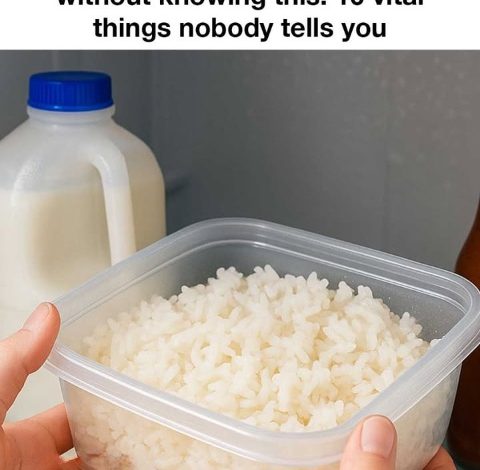
Rice is much more than just a side dish; it’s a fundamental source of nutrition for over half of the people on Earth. This simple grain is famous for being adaptable and pairing perfectly with almost any cuisine, from creamy risotto to spicy stir-fries. However, many people are completely unaware of a serious risk that comes with not storing cooked rice properly.
ADVERTISEMENT
You might think it’s fine to just put your leftover rice in the refrigerator whenever you get around to it, but failing to follow the correct storage rules can cause serious foodborne illnesses. Understanding the science behind how rice can spoil and knowing the best ways to store it is crucial for keeping your meals both safe and delicious.
ADVERTISEMENT
This in-depth article will explore eleven essential factors related to storing cooked rice that people often overlook. By the end of this guide, you will be equipped with the knowledge to reduce waste and protect your health, ensuring your favorite rice dishes remain appetizing and risk-free.
ADVERTISEMENT
The Science of Rice Spoilage: What Happens After Cooking?
Cooked rice is especially vulnerable to going bad because it has a high moisture content. This moisture creates a perfect environment where bacteria can quickly grow. When rice is cooked, the heat successfully kills most of the germs, but the spores of certain types of bacteria, like the problematic Bacillus cereus, are tough enough to survive even the boiling process.
Once the rice cools down and is left at room temperature for too long, these resilient spores can “wake up” (germinate) and multiply rapidly. Furthermore, after cooking, the rice’s natural acidity level changes, becoming more neutral. This less-acidic state is also very welcoming to bacterial growth. This is why proper handling and storage of cooked rice are absolutely vital to prevent spoiling and the potential for food poisoning.
🛑 1. Why Room Temperature is a Major Risk
Leaving cooked rice out at room temperature for an extended time is perhaps the most common, yet most dangerous, mistake people make. Bacteria thrive in what is known as the Temperature Danger Zone, which is between 40°F (4°C) and 140°F (60°C).
Within this dangerous temperature range, bacteria can double their population every 20 minutes! If cooked rice sits out for more than two hours, it is considered unsafe to eat. For those living in very warm climates, this time limit is even shorter. The main goal in food safety is to get the rice out of this danger zone as quickly as possible and into the chilling environment of the refrigerator.
🦠 2. The Critical Role of Bacillus Cereus
Bacillus cereus is a common type of bacteria naturally found in the soil and, therefore, often present in uncooked rice. As mentioned, it has the ability to produce hardy spores that are resistant to the high temperatures used during cooking.
If the cooked rice is left at room temperature, these surviving spores will begin to grow and multiply. As they multiply, they start to produce dangerous toxins that lead to food poisoning. Symptoms of illness caused by Bacillus cereus toxins typically include feeling sick (nausea), vomiting, and diarrhea. These symptoms usually appear within 6 to 15 hours after consuming the contaminated food.
The best defense against this kind of contamination is simple: proper handling. This means quickly cooling the rice, refrigerating it promptly, and reheating it completely before you eat it again.
⏱️ 3. How Quickly Should You Refrigerate Cooked Rice?
To guarantee the maximum safety of your cooked rice, it is essential to refrigerate it within two hours of cooking. This tight timeframe is necessary to prevent the harmful bacteria from multiplying and creating toxins. If you are cooking in a very hot environment where the ambient temperature is above 90°F (32°C), the safe window shrinks even more, reducing to just one hour.
To help speed up the cooling process—which is key to safety—you should avoid placing a large, deep bowl of hot rice straight into the fridge. Instead, try one of these methods:
-
Spread the rice: Spread the cooked rice out thinly on a shallow baking sheet or tray.
-
Divide into smaller portions: Split the large batch of rice into several small, shallow containers.
These techniques allow the heat to escape quickly and let the rice cool down faster and more evenly.
🌡️ 4. The Ideal Storage Temperature
The safest temperature for storing your cooked rice is consistently below 40°F (4°C). Keeping the rice at this cold temperature significantly slows down bacterial growth and helps maintain the overall quality and texture of the rice.
When storing, always use an airtight container. This serves two important purposes: it keeps the rice fresh, and it prevents the rice from absorbing any strong odors or flavors from other foods that might be in your refrigerator.
For maximum safety and temperature consistency, consider storing your rice in the coldest area of your refrigerator, which is usually the back or the bottom shelf.
🗓️ 5. How Long Can You Safely Store Rice in the Fridge?
Once properly refrigerated, cooked rice can be safely stored for up to four to six days. After this time, the risk of spoilage, bacterial growth, and loss of quality begins to increase notably. It is a good practice to use labels on your storage containers with the date you stored the rice. This helps you easily keep track of how long the rice has been in the fridge and prevents you from keeping it past its safe limit.
If you know you won’t be able to eat the rice within the four-to-six-day window, a great option for preservation is freezing. Rice freezes very well and can be stored in the freezer for up to six months. You can easily reheat frozen rice directly from the freezer when you are ready to eat it.
🤢 6. Key Signs Your Rice Has Gone Bad
It’s important to trust your instincts—and your senses—when checking leftover rice. There are several clear indications that your cooked rice is no longer safe to eat:
-
Smell: A sour, strange, or “off” odor is a definitive sign of spoilage.
-
Appearance: Look for the presence of mold, or any noticeable discoloration (like green, black, or pink patches).
-
Texture: If the rice feels slimy, sticky, or if it has dried out too much and become hard, it should be thrown away.
Consuming spoiled rice can easily lead to food poisoning. If you are ever in doubt about whether the rice is safe, it is always best to be cautious and discard it immediately.
🔥 7. The Best Way to Reheat Stored Rice
Properly reheating rice is a critical step to ensure that any potential surviving bacteria are killed. The best method for reheating involves adding a small amount of moisture back into the rice.
Microwave Method:
-
Put the rice in a microwave-safe bowl.
-
Add a tiny splash of water or broth.
-
Cover the bowl with a microwave-safe lid or a damp paper towel.
-
The added moisture helps the rice heat evenly and prevents it from drying out.
Stovetop Method:
-
Place the rice in a pot or skillet.
-
Add a splash of water or oil.
-
Stir the rice frequently until it is heated all the way through.
Regardless of which method you choose, you must ensure the rice reaches an internal temperature of 165°F (74°C). This temperature is necessary to completely eliminate any bacteria that might have grown during the storage period.
💡 8. Popular Viral Hacks for Storing Rice
There are several viral tips and tricks for storing and reheating rice that have become popular on social media. For example, some people suggest adding ice cubes to the rice while microwaving to keep it moist during reheating, or using vacuum-sealed bags to supposedly make the rice last longer.
While a few of these creative suggestions might offer some benefits in terms of convenience or texture, it is absolutely essential to always prioritize food safety over convenience. Any storage or reheating method you use must maintain the rice at a safe temperature and actively prevent contamination. Experiment with new hacks carefully, and always ensure they align with the basic food safety guidelines discussed in this article.
🚫 9. Common Storage Mistakes You Must Avoid
Understanding the most common mistakes is the best way to prevent foodborne illness.
-
Leaving rice out too long: As detailed above, forgetting about rice and letting it sit at room temperature for more than two hours is the number one mistake that causes bacterial growth.
-
Using the wrong containers: Storing rice in containers that are not airtight can lead to moisture loss, contamination from other foods, and faster spoilage.
-
Reheating rice multiple times: Reheating the same portion of rice more than once significantly increases the risk of food poisoning. Each time the rice is reheated and cooled again, it creates another opportunity for surviving bacteria to multiply.
To avoid these errors, always store your rice immediately, use high-quality airtight containers, and only reheat the specific amount of rice you plan to eat in one sitting.
✅ 10. Expert Tips for Safe Rice Storage
Food safety experts provide clear advice to ensure your rice is safe from the moment it finishes cooking:
-
Cool Quickly: Spread the rice out in a thin layer on a tray or separate it into smaller, shallow containers to promote rapid cooling.
-
Container and Location: Use airtight containers and store the rice in the coldest section of your refrigerator (usually the back).
-
Freezing for the Long Term: For longer storage, freeze the rice in convenient portion-sized bags. This method is both safe and makes meal prep easier.
When it’s time to eat, remember the golden rule for reheating: ensure the rice reaches an internal temperature of 165°F (74°C) to kill any potential bacteria. By following these straightforward, expert-approved tips, you can confidently and safely enjoy your favorite rice dishes without any worry.
🍽️ 11. Final Thoughts on Food Safety
The journey from a starchy grain to a perfect meal involves more than just cooking; it also requires careful storage. By respecting the Temperature Danger Zone and understanding the risk posed by Bacillus cereus, you take an important step toward responsible food handling. Remember to cool quickly, store cold, and reheat hot. Making these simple practices part of your routine will ensure your leftover rice remains as enjoyable and safe as it was the moment it came off the stove.