8 Old-Fashioned Life Hacks That Still Work Great Today
Isn’t it amazing how the classic wisdom passed down from our parents and grandparents often works much better than the latest internet trends? There is a special kind of magic in these time-tested secrets. They are simple, practical, and were created by real people facing everyday household problems.
ADVERTISEMENT
While modern life moves incredibly fast, some of the most effective ways to run a home are beautifully old-fashioned. These tricks do not require expensive gadgets or fancy chemicals.
ADVERTISEMENT
Here are eight classic household life hacks that are just as helpful today as they were many decades ago.
ADVERTISEMENT
1. Using Ketchup to Polish Copper Items
It sounds almost too simple to be true, but everyday tomato ketchup is a shockingly effective cleaner for copper pots, mugs, and decorative items. The secret lies in the natural mild acidity of the tomatoes. When you combine this natural acid with a little bit of salt, it creates a gentle cleaning reaction that removes dark tarnish easily without the need for harsh, smelly chemical cleaners.
-
How to do it: Dab a small amount of ketchup onto a soft cleaning cloth.
-
The next step: Sprinkle a tiny pinch of salt onto the ketchup.
-
The motion: Rub the mixture onto your copper items using gentle, circular motions. You will see the shine start to return almost immediately.
-
Finishing up: Rinse the item thoroughly under warm water and buff it dry with a clean towel for a beautiful, bright shine.
2. The Damp Paper Towel Trick for Shattered Glass
Cleaning up broken glass in the kitchen is always a stressful situation, but there is an old-school safety method that helps protect your home. After you very carefully sweep up the large, obvious pieces of glass with a broom, you are still left with tiny, nearly invisible shards that can cause splinters.
To catch these hidden pieces, take a paper towel or a thick cloth and make it slightly damp. Gently press the damp fabric flat down onto the floor over the area where the glass broke. The moisture causes those tiny, dangerous fragments to stick securely to the paper towel. Make sure to throw the cloth away safely in the trash immediately after, and always wear thick, closed-toe shoes during the entire cleanup process to keep your feet safe.
3. Zipping Up Your Garments Before Doing Laundry
This tiny, five-second step can save your clothes from wearing out way too early. Before you toss your dirty clothes into the washing machine, take a moment to pull up every single zipper on your jeans, jackets, and hoodies.
When a zipper is left open, the sharp metal or plastic teeth spin around in the washing cycle and act like tiny saws. They can easily catch on delicate shirts, sweaters, and knits, causing permanent snags, pulls, or small holes. Taking just a few seconds to zip everything up protects the fabrics and helps your favorite clothes last much longer.
4. Collecting Free Rainwater with a Simple Barrel
Every single household can benefit from setting up a traditional rain barrel in the yard. By positioning a clean barrel right underneath your roof downspout, you can easily collect hundreds of gallons of free water over time.
This is a fantastic, eco-friendly way to save money on your monthly water bill. Even better, regular rainwater is naturally soft and completely free of the heavy treatments found in city tap water. Because of this, your garden vegetables, beautiful indoor potted plants, and outdoor flowers will actually grow much better when you water them with pure rainwater. You can also use this collected water for heavy outdoor cleaning chores like rinsing off dirty garden tools.
5. The Simple Battery Bounce Test
Have you ever found a loose battery in a drawer and wondered if it still had power inside? You can use a quick, clever trick based on simple physics to find out without a digital tester.
Hold the battery vertically about an inch above a hard, completely flat surface like a kitchen counter or a table, and then drop it straight down on its flat end.
-
If it is empty: A dead battery will bounce up high and immediately tip over on its side because a specific gas builds up inside it as it loses power.
-
If it is full: A fresh battery will make a solid, heavy thud sound and stay standing upright on its end.
While this method is not perfectly precise, it is a wonderful, quick check when you are in a hurry.
6. The Handy Knuckle Calendar Trick
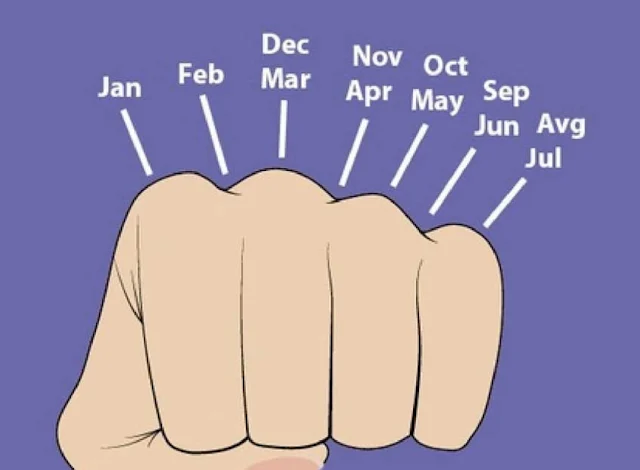
If you always find yourself struggling to remember exactly which months have 31 days and which ones have 30 days, your own hands hold the secret answer. Close your hands into two fists and look at your knuckles.
Starting with January on your very first outer knuckle, count across your hands by touching each knuckle and the low “valley” space between them.
-
Every month that lands directly on a raised knuckle has 31 days.
-
Every month that lands in a low valley space has 30 days (except for February, which is always the shortest month).
Once you move your way across your hands from left to right, you will never have to double-check a wall calendar or look at your phone to find the answer again.
7. Learning “I Before E, Except After C”
Spelling rules in the English language can be incredibly confusing, but this classic rhyme from school days is still one of the most reliable guides you can use. When you are writing a letter or an email and trying to figure out how to spell words where the letters “i” and “e” sit right next to each other, just remember the old song:
“I before E, except after C, or when sounding like ‘A’ as in ‘neighbor’ or ‘weigh.'”
While our language definitely has a few unusual exceptions to this rule—such as the words “weird” or “science”—this classic phrase successfully simplifies hundreds of everyday words and gives you a great confidence boost when writing by hand.
8. Using Boiling Water to Clean and Refresh Sponges
You can easily extend the life of your kitchen sponges, reusable dishcloths, and fabric cleaning tools with a simple, hot water soaking step. Instead of throwing a slightly smelly kitchen sponge directly into the trash can, place it into a pot of clean water on the stove and bring it to a rolling boil.
Let the sponge sit in the boiling water for about 10 minutes. The high heat works to deeply clean the material and successfully remove the odor-causing bacteria that build up from washing dirty dishes. After the 10 minutes are up, let the water cool down completely, carefully squeeze out the excess moisture, and let the sponge air-dry in a sunny spot. This simple habit cuts down on household waste and keeps your cleaning supplies smelling completely fresh.
Why These Household Secrets Still Matter
The main reason these old-school tips continue to survive through the years isn’t just because people love nostalgia—it is because they truly work. They do not require you to purchase special tools, buy expensive brand-name products, or follow complicated instructions. They were created purely from smart observation, daily practice, and the wonderful old-fashioned wisdom of making good use of what you already have in the cupboard.
In a modern world filled with constant changes, there is a lot of comfort in knowing that the simplest solution from the past is still the absolute best choice for your home.