Why You Should Have a Spider Plant at Home
Having indoor plants can bring a lot of life, color, and joy into your living space. However, many people are afraid to buy plants because they worry about keeping them alive. If you have ever accidentally dried out a succulent, given too much water to a delicate fern, or watched a peace lily drop its leaves dramatically, you might think that you simply do not have what it takes to care for greenery. You might tell yourself that you are “not a plant person.”
ADVERTISEMENT
Fortunately, there is one incredible houseplant that changes everything. It is so tough, so forgiving, and requires so little effort that it actually does well even if you completely forget about it for a while.
ADVERTISEMENT
Let us introduce you to the spider plant, which is known scientifically as Chlorophytum comosum. It is widely considered the ultimate choice for beginners, a fantastic helper for cleaning indoor air, and a completely pet-safe option. This wonderful green companion has been a favorite in household decor for many generations.
ADVERTISEMENT
The best part is that you do not need any special gardening skills or a green thumb to keep it happy. All this friendly plant really needs is a spot on a window sill, or even in a darker corner of a room, along with an occasional splash of water.
Five Excellent Reasons to Welcome a Spider Plant into Your Home
If you are looking to add some life to your rooms, here are five detailed reasons why this humble and beautiful plant deserves a special spot in your house.
1. It Forgives Your Forgetfulness Over and Over Again
Life gets incredibly busy, and it is completely normal to forget about your houseplant duties. If you forget to water your spider plant for a week or even two weeks, there is no need to panic. Spider plants are uniquely built to handle drought because they store extra moisture inside their thick, tuberous root systems. This makes them far more resilient than the vast majority of other common houseplants.
-
Adaptable Lighting: They prefer bright, indirect sunlight, but they will survive and grow just fine in lower light conditions, such as an office or a dim bedroom.
-
Easy to Understand: If you notice yellow tips on the leaves, it is usually just a reaction to the regular tap water chemicals and is not a sign that the plant is dying.
-
Quick Recovery: Whether you give it too much water or too little water, this hardy plant bounces back quickly looking as healthy as ever.
2. It Cleans Your Indoor Air with Proven Science
Indoor air can sometimes hold unseen pollutants from everyday household items. The spider plant is highly effective at filtering the air you breathe, and this fact is backed by serious scientific research. In its famous 1989 Clean Air Study, NASA found spider plants among the top performers at removing indoor air pollutants.
The research showed that these plants are excellent at filtering out harmful common toxins, including:
-
Formaldehyde: This is often found in household furniture, manufactured wood, and various cleaning products.
-
Carbon monoxide: A common byproduct of gas appliances and indoor heating.
-
Xylene and toluene: Chemicals that frequently appear in household paints, finishes, and strong adhesives.
Spider plants achieve this wonderful cleaning effect naturally through their regular respiration process. They do not require any loud filters, electricity, or extra maintenance. They simply provide a quiet, leafy detox for your home while you sleep peacefully. For the best results, you can place one of these plants in your bedroom, your home office, or right next to new furniture to keep your air feeling fresh.
3. It is Completely Safe for Curious Pets
Many popular indoor plants, such as lilies, pothos, or philodendrons, can be highly dangerous to your pets if chewed on. Fortunately, spider plants are completely non-toxic to cats and dogs, and they are fully approved by safety organizations like the ASPCA.
If your curious furry friend loves to nibble on dangling green leaves, you will not have to worry about rushing to an emergency vet visit. At worst, a pet might get a very mild tummy ache if they eat way too many leaves, but it will not cause them any serious harm. As a fun bonus, the long, dangling baby plants look just like little toys, providing a safe and playful distraction for active pets.
4. Beautiful Styling That Works Anywhere
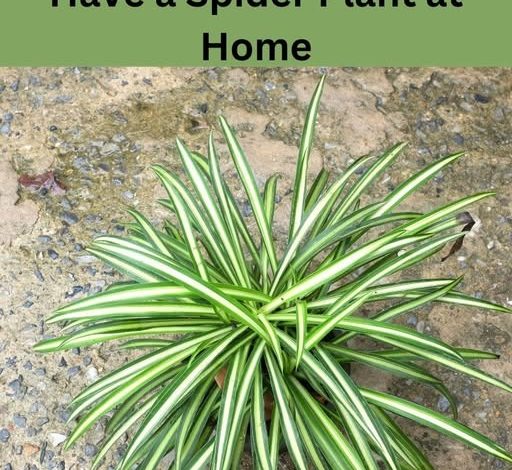
With its long, arching leaves that feature beautiful white and green stripes, the spider plant brings instant natural style to any room. You do not need to spend money on fancy plant decorations to make it look good.
-
Hanging Displays: They look absolutely stunning when placed in hanging baskets, allowing the long leaves and baby plantlets to trail down gracefully.
-
Versatile Placement: They grow well on bookshelves, desks, kitchen counters, or even bathroom ledges where humidity is high.
-
Fast Growth: They are fast-growing plants that can fill out a empty pot in just a few short weeks.
When the plant matures, it sends out long, slender stems with tiny new plantlets attached to the ends. These are often called “spiderettes.” When this happens, the plant turns into a beautiful living sculpture that resembles a natural green chandelier.
5. It Gives You New Plants Completely for Free
One of the most exciting parts of owning a spider plant is how easily they reproduce. Those little baby plants dangling from the main stems are fully capable of becoming brand-new, independent plants at no extra cost to you.
Propagating them is incredibly simple. You can easily snip the small baby plants off the main stem and grow them using two simple methods:
-
Water Method: Place the base of the baby plant in a small glass of water, making sure to change the water once a week until strong roots grow.
-
Soil Method: Plant the baby directly into a small pot with fresh potting soil and keep it lightly moist.
Because they grow so quickly, one single plant can easily become dozens of new plants within a single year. This makes it the ultimate sharing plant. You can give them away as thoughtful, budget-friendly gifts for your friends, your coworkers, or even a neighbor.
Simple Care Tips for Keeping Your Plant Healthy
Caring for this plant is incredibly straightforward. By following a few easy steps, you can ensure your plant stays vibrant for a long time.
-
Light Requirements: Aim for bright, indirect sunlight. A window facing east or north is usually ideal, though it will tolerate lower light environments quite well.
-
Watering Routine: Allow the top layers of soil to dry out a bit before you water it again. During the colder winter months, the plant rests, so you should water it less frequently.
-
Choosing Soil: Use a standard, well-draining potting soil mix. If you want to improve drainage, you can mix in a little bit of perlite.
-
Room Temperature: These plants are happiest in temperatures between 60 degrees and 75 degrees Fahrenheit. Typical indoor home temperatures are absolutely perfect for them.
-
Fertilizer Tips: Adding fertilizer is entirely optional. If you want to boost growth, you can feed it once a month during the spring and summer using a diluted, liquid houseplant food.
As a helpful tip, if your local home tap water is very hard or contains a lot of chemicals, you might want to use filtered or distilled water. Brown leaf tips often come from fluoride or chlorine in the water supply, so switching your water source can keep the leaves looking perfectly green and pristine.
Final Thoughts on an Easy Green Companion
You do not need to be an expert gardener to enjoy the beauty of nature inside your home, and you certainly do not need an expensive, sunny greenhouse. All you really need is a tiny bit of space and a willingness to try something new.
The spider plant is much more than just a simple piece of home decor. It offers quiet companionship, creates cleaner indoor air, and serves as a wonderful daily reminder that growth is always possible, even when life gets busy and you forget to water it for a little while.
The next time you visit a local grocery store, a weekend farmers market, or a friend who has an overflowing garden pot, consider picking up a spider plant. Place it on an open bookshelf, give it a little time, and watch it thrive even when you aren’t paying close attention.