What the Veins on Your Hands Might Reveal About Your Kidney Health
ADVERTISEMENT
Visible Veins on Your Hands: What They Really Mean
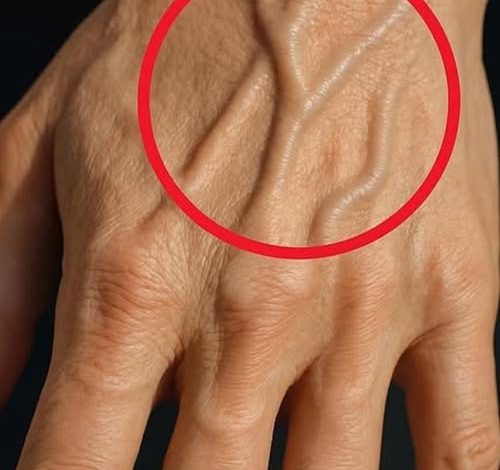
Noticing raised, bluish, or more pronounced veins on your hands can make you pause and wonder if they signal something deeper about your health. Online discussions sometimes link visible veins to hidden kidney problems—but does medical science support that idea? Let’s separate myth from evidence.
ADVERTISEMENT
Why Hand Veins Become More Noticeable
In most cases, prominent veins are normal and influenced by everyday factors:
ADVERTISEMENT
- Aging: skin thins and loses collagen over time
- Low body fat: less tissue covering the veins
- Genetics: some people naturally have more visible veins
- Physical activity: exercise boosts blood flow temporarily
- Heat exposure: warmth dilates blood vessels
- Dehydration: reduced fluid volume makes veins stand out
As skin thins and fat decreases—especially with age—veins naturally appear more pronounced. Leaner body types often notice this more.
Important: Visible veins alone are not recognized as a sign of kidney disease.
How Kidney Disease Actually Shows Up
The kidneys filter waste, regulate fluids, control blood pressure, and balance electrolytes. When kidney function declines, symptoms usually include:
- Swelling in feet, ankles, hands, or around the eyes
- Persistent fatigue
- Changes in urination (frequency or volume)
- Foamy urine (protein leakage)
- High blood pressure
- Nausea or reduced appetite
Notice what’s missing: prominent veins. Kidney dysfunction typically causes fluid retention, which can actually make veins less visible.
Fluid Balance and Vein Appearance
- Fluid retention (kidney dysfunction): swelling and puffiness, veins less noticeable
- Dehydration: reduced plasma volume, veins more noticeable
Neither scenario alone confirms kidney disease.
When Veins and Kidney Disease Intersect
One indirect connection exists: in advanced kidney failure, patients may need dialysis. Surgeons create an arteriovenous (AV) fistula in the arm, which intentionally enlarges veins for repeated needle access. These veins may look thicker, raised, and more visible—but this is due to the procedure, not kidney disease itself.
Symptoms That Truly Deserve Attention
Instead of focusing on vein visibility, watch for medically recognized kidney warning signs:
- Persistent swelling
- Noticeable changes in urination
- Foamy or dark urine
- Ongoing fatigue
- High blood pressure
- Shortness of breath
- Unexplained nausea
If veins are accompanied by pain, sudden swelling, discoloration, or circulation changes, vascular issues—not kidney disease—may need evaluation.
The Bottom Line
Prominent hand veins are usually:
- A normal anatomical variation
- A reflection of age, body composition, or hydration
- A temporary effect of exercise or temperature
They are not a reliable indicator of kidney health.
Kidney disease reveals itself through measurable changes in blood chemistry, urine analysis, blood pressure, and fluid retention—not through vein visibility alone.
If you’re concerned about kidney health, the right evaluation includes:
- Blood tests (creatinine, eGFR)
- Urine testing
- Blood pressure monitoring
- Consultation with a healthcare professional
Your hands may reflect aging, circulation, or hydration—but assessing kidney function requires clinical testing, not visual interpretation.