Very dirty mop, don’t buy it again: a drop of this ingredient and it will be like new.
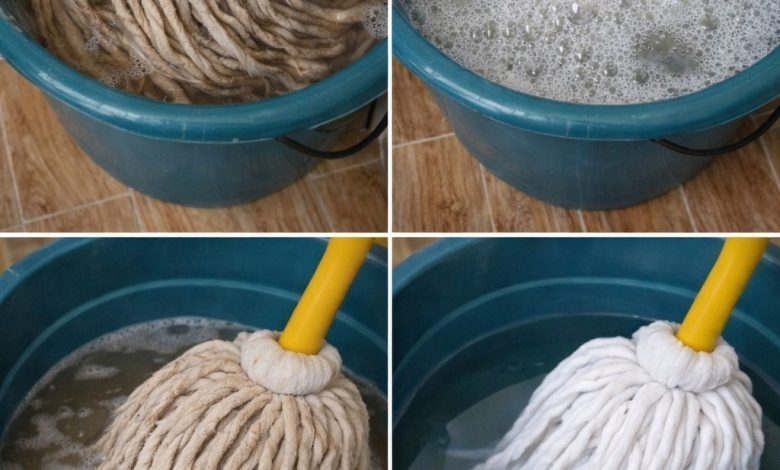
Maintaining a clean home starts with the tools we use, yet we often forget to look at the condition of our mops. A mop that has seen better days can actually do more harm than good. Instead of throwing it away and heading to the store, you can save money and achieve a better clean by learning how to revive your cleaning supplies. With just a small amount of common household items, you can transform a “Very dirty mop” so that it is “like new” once again.
ADVERTISEMENT
Why Your Mop Needs Regular Care
When you clean your floors, your mop picks up a large amount of dust, food particles, and hair. If the mop is not properly cleaned after each use, these items stay trapped in the fibers. Over time, moisture can lead to unpleasant smells and the growth of mold. This means that instead of cleaning your house, a dirty mop might just be moving germs from one room to another.
ADVERTISEMENT
To keep things fresh, you should always follow a few simple steps after every cleaning session. Make sure to rinse the mop under warm water and wring it out as much as possible. It is also very important to hang it up in a spot with good airflow so it can dry completely. You should never store a damp mop in a dark closet, as this is how bad odors start.
ADVERTISEMENT
Effective Ways to Deep Clean a Mop
You don’t need expensive chemicals to get great results. Most people already have what they need in their kitchen. Here are four simple ways to deep-clean your mop head and make it last longer.
The Baking Soda Method Baking soda is famous for its ability to remove tough smells and break down grime. To use this method, fill up a bucket with warm water and mix in 1/2 cup of baking soda. Let the mop head soak in this mixture for about 2 or 3 hours. Afterward, rinse it until the water is totally clear. If your mop head is safe for the laundry, you can also toss it in the washing machine with a bit of baking soda at a high temperature.
The Vinegar and Lemon Mix Vinegar is a natural cleaner that helps brighten fabrics. You can mix 1 cup of white vinegar with the juice of 2 lemons for every liter of warm water you use. Let the mop soak for 30 to 60 minutes. If you want to see some extra cleaning power, you can add 2 tablespoons of baking soda to the mix. It will start to fizz, which helps lift dirt out of the fibers. Once it is dry, the vinegar smell will fade away, leaving only a fresh scent.
Tea Tree Oil Solution If you are cleaning areas like the kitchen or the bathroom, you might want an extra boost. Tea tree oil is known for being naturally antimicrobial. Combine 4 cups of warm water with the juice of 1 lemon and 10 drops of tea tree oil. Let the mop soak for 30 minutes before rinsing it thoroughly.
The Ammonia Rinse For mops that are extremely soiled, ammonia is a strong option, but you must be careful. Mix 1/4 cup of household ammonia into a gallon of cool water. Soak the mop for about 15 to 20 minutes and rinse it at least two or three times to make sure all the cleaner is gone. Always make sure you are in a room with plenty of fresh air when using this method, and never mix ammonia with bleach.
The Importance of Drying
Cleaning the mop is only half of the job. How you dry it is just as important. After you have finished rinsing, wring the mop out until no more water drips. Hang it up vertically so the fibers can spread out. If the weather is nice, hanging it outside in the sunlight is a great idea because UV rays act as a natural disinfectant. You should only put the mop away when it is 100% dry.
A Smarter Way to Clean
Taking care of your tools is a great way to live more sustainably. These methods are very cheap and help you avoid buying new plastic products too often. When you take the time to clean your mop, you are ensuring that your floors are truly hygienic.
Before you try these methods, it is always a good idea to check the instructions from the company that made your mop. Most natural cleaning tricks work perfectly on cotton or microfiber materials. By following these steps, you can say to yourself, “don’t buy it again,” because your current mop will be ready for many more months of work. Your home will feel fresher, and you will save money in the process.