Toxic if improperly prepared: another side of a widely consumed food worldwide
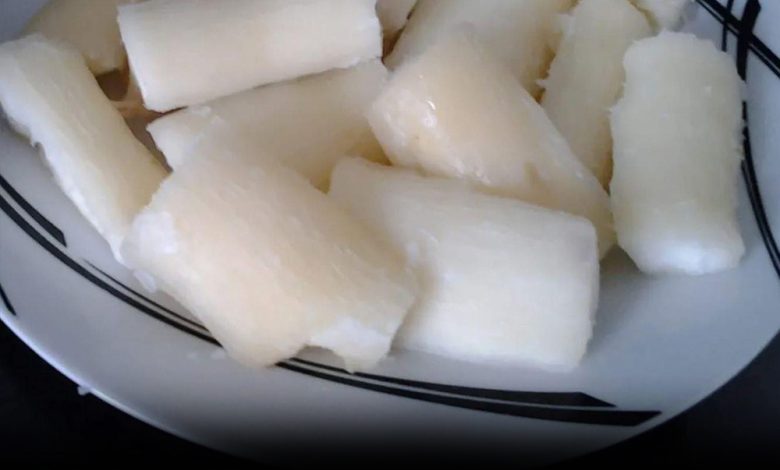
ADVERTISEMENT
Toxic if improperly prepared: another side of a widely consumed food worldwide
Why Cassava Needs Careful Preparation
Cassava appears on tables from Brazil to Vietnam, yet few realize that if improperly processed, this humble root can release cyanide. Poor preparation has led to poisoning outbreaks and even the neurological disease known as konzo.
ADVERTISEMENT
The good news? With simple, traditional care, the danger disappears—leaving only the flavor and nutrition.
ADVERTISEMENT
What Makes Cassava Risky?
- The “bitter” variety contains high levels of cyanogenic glycosides.
- When grated or chewed, enzymes trigger the release of cyanide—the same poison often dramatized in spy stories.
- Without proper boiling or fermentation, the toxin remains in the food.
Why Do Poisoning Cases Happen?
- Limited fuel or water for cooking in impoverished regions.
- Emergency harvests during famine.
- Loss of traditional preparation knowledge.
Konzo: The Overlooked Disease
In African communities with protein-poor diets, repeated consumption of poorly processed cassava can cause konzo.
- Cyanide damages the nervous system.
- Symptoms include sudden weakness in the legs and, in severe cases, permanent disability.
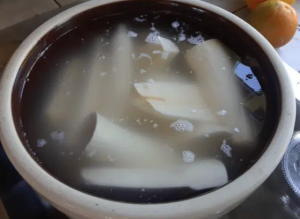
How to Make Cassava Safe
- Peel Thoroughly
- The peel holds most toxins. Remove it completely.
- Soak or Ferment
- Grate or peel the root, then cover with clean water for 24–48 hours.
- In Northern Brazil, farinha d’água (cassava flour) is made this way.
- Cook Until Tender
- Boil for at least 20 minutes to break down toxic molecules.
- Never eat cassava raw.
- Pair with Protein
- Amino acids help the body detoxify cyanide.
- Combine cassava with eggs, fish, or legumes.
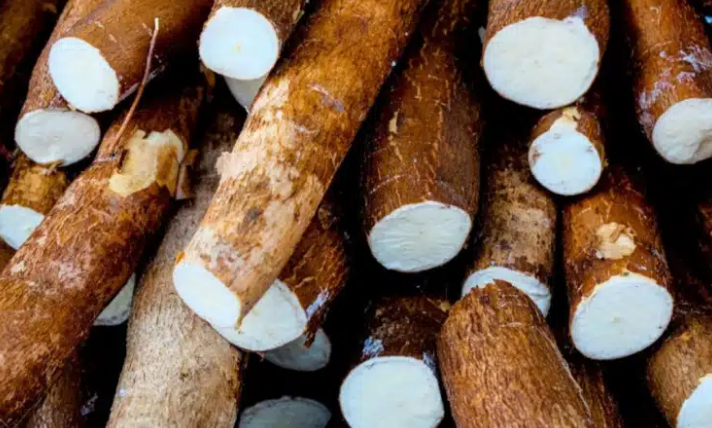
When Does Cassava Become the Villain?
Serious cases arise in extreme conditions—prolonged drought, war, or poverty.
Where culinary traditions remain strong, mistakes are rare. Still, reinforcing safe practices in public health manuals is essential.
The Nutritious Side of Cassava
- Rich in complex carbohydrates.
- Gluten-free and a source of soluble fiber.
- Perfect for soft cakes, wheat-free breads, and crispy fried cassava.
Processed correctly, cassava is an ally in energy-rich, affordable diets.
Cassava is not the enemy—the real risk lies in a lack of knowledge.
With peeling, fermenting, boiling, and balanced meals, this root transforms from a hidden hazard into a safe, versatile, and delicious food. Tradition and science together ensure both health and flavor.