The “vein” of the shrimp: the culinary detail that few know and many discuss
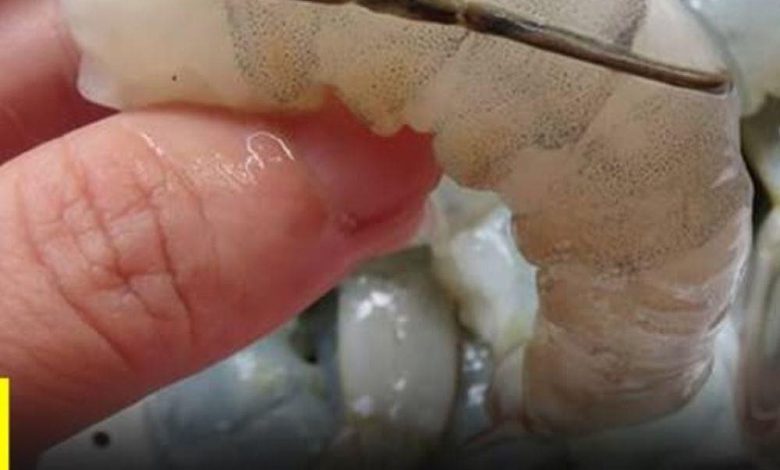
When you are preparing seafood, you might notice a small, dark line running along the back of your shrimp. Most people call this the “vein,” but there is actually a lot more to the story than just a simple name. While it is a common topic of debate in the kitchen, knowing the facts can help you cook better meals and feel more confident about what you are eating.
ADVERTISEMENT
What is the “Vein” Exactly?
Despite the common name, this dark line is not a blood vessel. It is actually the digestive tract of the shrimp, which is basically its intestine. The reason it looks dark is because it contains waste or tiny bits of food the shrimp ate, like algae.
ADVERTISEMENT
Interestingly, shrimp have what is known as an “open circulatory system.” This means their “blood” (called hemolymph) moves freely through their bodies rather than staying inside veins. Because of this, “there’s no true ‘vein’ to speak of.” If you see a white line on the bottom side of the shrimp, that is the nerve cord, which is usually left alone.
ADVERTISEMENT
To Remove or Not to Remove?
Deciding whether to devein your shrimp usually depends on the size of the shrimp and how you plan to serve them. It is not a safety issue, but rather a choice about how the food looks and feels.
When You Should Devein:
-
Large Sizes: If the shrimp are big, the tract is larger and can have a “gritty or bitter” texture.
-
Nice Presentation: If you are making a fancy dish like a salad or scampi where the shrimp are peeled, removing the line makes them look much cleaner.
-
Flavor Sensitivity: Some people have a very strong sense of taste and might notice a “muddy” flavor if the line is left inside.
When You Can Skip It:
-
Small Shrimp: For tiny bay shrimp or salad shrimp, “the tract is minuscule and harmless.” It is so small you won’t even notice it.
-
Cooking in the Shell: If you are boiling or grilling shrimp with the shells still on, most people just peel and eat them without worrying about the line.
-
Making Broth: If you are just using the shrimp to add flavor to a soup or stock that will be strained later, it won’t make a difference.
Important Note: You don’t need to worry about getting sick. “The digestive tract is not toxic and poses no health risk when cooked.” It is all about making the dish look and feel more refined.
How to Prepare Your Shrimp
If you decide to remove the tract, the process is very simple and only takes a few seconds per shrimp.
| Step | Instruction |
| Peeling | Remove the outer shell, but you can keep the tail on for a better look. |
| Cutting | Use a small knife to make a shallow cut, about 1/8 to 1/4 inch deep, along the back. |
| Removal | Use the tip of your knife or a toothpick to gently “lift out the dark thread.” |
| Rinsing | Give the shrimp a quick rinse under cold water to clean away any remaining bits. |
Global Cooking Styles
Different parts of the world have different rules for this culinary detail. In places like France and Italy, professional chefs almost always remove the line for elegant meals. However, in many Asian countries, small shrimp are often cooked and eaten whole. If you go to a classic American seafood boil, you will likely find the “shrimp are typically served in-shell and eaten by hand—vein intact.”
The Final Verdict
At the end of the day, deveining is a personal choice. It is a small step that “elevates texture and presentation,” much like taking the stems off of a bowl of strawberries. It shows you put a little extra care into the meal, but it isn’t something to stress over. Whether you take it out or leave it in, your shrimp will still be a delicious treat.