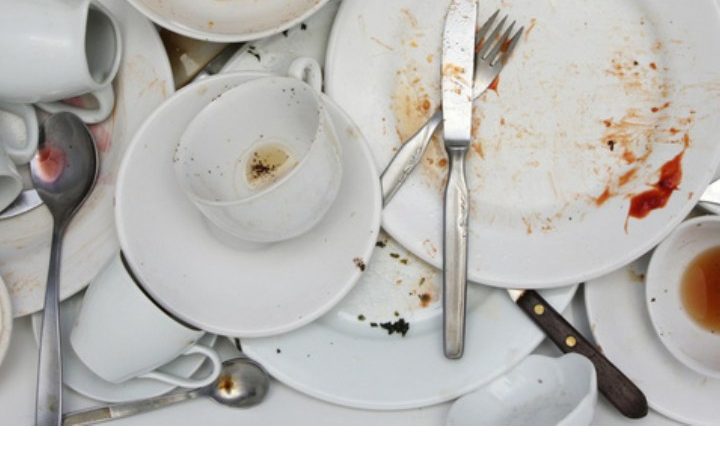
The Psychological Meaning of Leaving Dirty Dishes and Why They Shouldn’t Pile Up
ADVERTISEMENT
The way we care for our home often mirrors the state of our mind. Even something as ordinary as washing dishes can reveal a great deal about our habits, emotional well-being, and daily rhythms.
ADVERTISEMENT
If you’ve ever wondered why some people leave dishes piled in the sink — and what that might say about their lives — here’s a closer look at the psychology behind this behavior and why managing it matters.
ADVERTISEMENT
🧠 Why Dirty Dishes Carry Meaning
Leaving dishes unwashed isn’t always about laziness. It can reflect deeper psychological patterns, such as:
- Stress and Exhaustion
- After a long day, even small chores can feel overwhelming. Fatigue often leads people to postpone washing dishes.
- Procrastination and Disorganization
- Household procrastination is just as real as workplace procrastination. Viewing dishes as a “low-priority” task may signal a broader tendency to delay responsibilities.
- Emotional State and Mental Health
- Clutter, including stacks of dishes, can mirror emotional struggles like anxiety or depression. When mental health suffers, household routines often slip.
- Lack of Structured Habits
- Without established routines, maintaining order at home becomes difficult. Dirty dishes may simply reflect the absence of consistent organizational habits.
🌟 Why It’s Important to Stay on Top of Dishes
No matter the reason, letting dishes pile up can have consequences that go beyond the kitchen.
- Preventing Bacteria and Odors
- Food residue quickly attracts insects and breeds bacteria. Left unchecked, it can spread unpleasant smells throughout the home.
- Reducing Visual and Mental Stress
- A cluttered sink creates a sense of chaos. The sight of dirty dishes can trigger guilt, stress, and lower productivity.
- Building Discipline and Self-Care
- Washing dishes promptly is a small act of discipline that reinforces responsibility and self-respect. A clean kitchen fosters healthier habits.
- Improving Coexistence
- In shared households, dirty dishes are a common source of tension. Keeping the sink clear promotes harmony and better communication.
Washing dishes is more than a routine chore — it’s a reflection of discipline, emotional balance, and lifestyle. While leaving a few dishes now and then isn’t harmful, allowing them to accumulate can affect health, mood, and household harmony.
Making a conscious effort to keep the kitchen clean can bring surprising benefits: a calmer mind, a greater sense of control, and a more peaceful home.