Perfect Hard Boiled Eggs
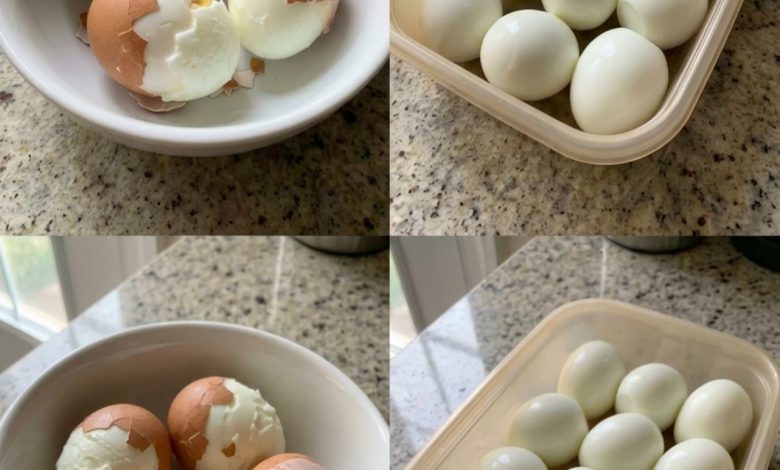
Getting a perfect hard-boiled egg is a culinary rite of passage! There is nothing more frustrating than fighting a stubborn shell or finding that unappealing “sulfur” ring around a yolk. This cold-start method is the gold standard because it treats the delicate proteins in the egg whites with respect, ensuring they stay tender rather than turning into rubber.
ADVERTISEMENT
Perfect Hard-Boiled Eggs
Ingredients & Tools
| Item | Amount / Description |
| Eggs | As many as needed |
| Water | Enough to cover eggs by 1/2 inches |
| Ice | For the “shock” bath |
| Large pot with lid | Sized for a single layer of eggs |
| Slotted spoon | For safe transferring |
| Baking soda (optional) | 1 teaspoon |
Step-by-Step Instructions
Step 1: The Cold Start: Gently place your eggs in a single layer at the bottom of the pot. Cover them with cold water until the water level is 1/2 inches above the eggs.
ADVERTISEMENT
Tip: Starting with cold water allows the egg to heat up gradually. If you drop a cold egg into boiling water, the air pocket inside expands too fast and cracks the shell!
ADVERTISEMENT
Step 2: The Boil and Wait: Place the pot over high heat. The moment the water reaches a full rolling boil, remove the pot from the heat and cover it with a tight-fitting lid.
-
For Classic Hard-Boiled: Let sit for 10 minutes.
-
For Deviled Egg Firmness: Let sit for 12 minutes.
Step 3: The Ice Bath: While the eggs sit, fill a bowl with cold water and plenty of ice. Use your slotted spoon to move the eggs into the ice bath. Let them chill for 10/15 minutes until they are cold to the touch. This “shocks” the egg, pulling the membrane away from the shell.
Step 4: The Perfect Peel: Gently tap the egg on a hard surface and roll it between your palms to crackle the shell. Peel the egg under a stream of cool running water. The water helps lubricate the space between the white and the membrane, making the shell slide right off.
Troubleshooting Common Egg Issues
| Issue | Cause | The Fix |
| Gray/Green Ring | Overcooking | Stick to the 10/12 minute timer. |
| Rubbery Whites | Water was too hot for too long | Remove from heat immediately after boiling. |
| Stubborn Shells | Eggs are too fresh | Use eggs that have been in the fridge for 7/10 days. |
| Cracked Shells | Rough handling | Lower eggs gently and start with cold water. |
Pro Tips for Success
-
The pH Hack: If you know your eggs are fresh, add 1 teaspoon of baking soda to the water. It increases the alkalinity, which helps the egg white “release” the membrane.
-
Storage: Always store your unpeeled eggs in a sealed container in the fridge. They will stay fresh for up to 7 days.
-
The “Spin” Test: Not sure if an egg in your fridge is already boiled? Spin it on the counter. A hard-boiled egg spins smoothly and quickly, while a raw egg wobbles because the liquid inside shifts.