My mother-in-law taught me this trick to lift stubborn orange tomato stains out of plastic food containers with 0 effort. Here’s how it works
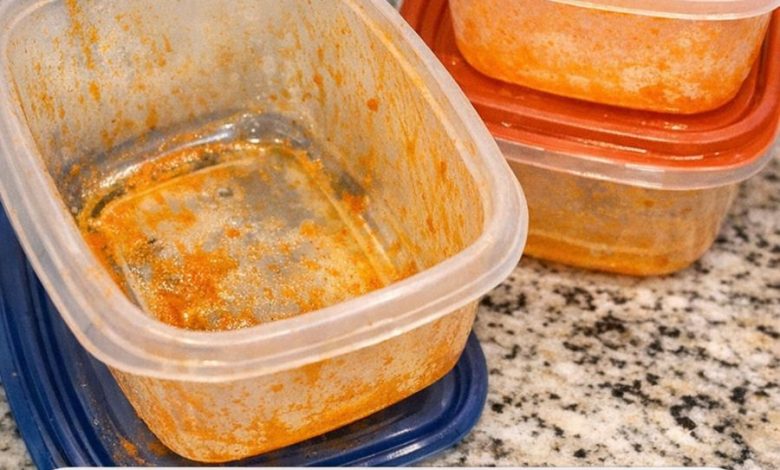
It is a common frustration for anyone who cooks at home: you reach into your cabinet for a storage container, only to find it covered in a bright, stubborn orange film. Whether it is from a hearty spaghetti sauce or a spicy batch of chili, those tomato-based leftovers seem to leave a permanent mark. You might feel like your only options are to scrub until your hands ache or simply throw the container away.
ADVERTISEMENT
However, there is a better way. My mother-in-law, who has spent years perfecting various household shortcuts, shared a brilliant method with me that requires almost no work at all. This trick allows you to “lift stubborn orange tomato stains out of plastic food containers with 0 effort” while keeping your kitchenware looking brand new. By using simple items you likely already have in your kitchen, you can save money and avoid using harsh, smelly chemicals.
ADVERTISEMENT
Why Those Orange Stains Are So Hard to Clean
To fix the problem, it helps to understand why it happens in the first place. The bright red and orange colors in tomatoes come from a natural pigment called lycopene. Because lycopene is “lipid-soluble,” it loves to attach itself to fats and oils. Since plastic containers often have a thin, greasy residue or have absorbed oils over time, the pigment sticks to them like glue.
ADVERTISEMENT
The problem gets even worse when we use the microwave. Heating up your food causes the plastic to expand slightly, allowing the pigments to settle deep into microscopic scratches or pores in the surface. Once the plastic cools, the stains are effectively locked inside the material, which is why standard dish soap and a sponge usually aren’t enough to get the job done.
The Natural Secret to Clean Plastic
The secret to this method is not found in a specialized cleaning product, but in the power of nature and basic pantry staples. My mother-in-law “swears by the use of baking soda,” which acts as a gentle cleaner, and the “natural acidity of lemon juice,” which helps break down stubborn oils and pigments. When you combine these two ingredients with the natural bleaching power of the sun’s ultraviolet rays, you create a powerful stain-fighting reaction that requires no physical scrubbing.
What You Will Need
One of the best parts of this trick is that you do not need to go to the store. You likely have everything required sitting in your kitchen right now. To get started, you will need:
-
1/1 tablespoon of baking soda
-
The juice of 1/2 of a fresh lemon
-
A small amount of water
-
A sunny spot in your home or yard
How to Prepare Your Container
First, give your stained container a quick rinse with warm water. This removes any leftover food crumbs so the cleaning paste can sit directly on the plastic.
In a small bowl, mix your baking soda with just enough water to create a thick, spreadable paste. Use a spoon or your fingers to spread this paste over the orange-tinted areas. Once the stains are covered, squeeze the lemon juice directly over the baking soda. You will see it start to “fizz and foam slightly as it reacts,” which is exactly what you want to see. This reaction helps lift the pigment out of the pores of the plastic.
The Set-It-and-Forget-It Method
Once your container is coated in the mixture, find a spot that gets plenty of direct sunlight. A bright windowsill or a table on a porch works perfectly. The sun acts as a natural bleach that works in tandem with the lemon and soda to pull the color out of the material.
For the best results, you should “leave the container to soak in the sunlight for at least 4 hours.” This is a “set-it-and-forget-it approach” that lets time and nature do all the heavy lifting for you. If the weather is overcast or the stains are very old, you might want to leave it out for 6/8 hours or even a full day. The longer it sits in the light, the more the orange cast will fade.
The Final Results
When the time is up, bring the container back inside and rinse it under warm water. You can use a soft sponge to wipe away any leftover baking soda residue. After you dry it with a clean towel, you will be able to “marvel at the transformation.” Your plastic should look clear and clean again, as if the stains never existed.
Dealing with Extra-Stubborn Stains
If you have a container that has been stained for years, one treatment might not be enough. If you still see a faint orange tint, simply repeat the process a second time. Some people also find that “adding a small amount of white vinegar to the mixture” provides an extra boost of acidity that can help break down the very last bits of color.
Knowing When to Replace Your Plastic
While this cleaning trick is highly effective, it is important to stay safe. Always check your containers for deep scratches, warping, or melting. If a plastic dish is heavily damaged or has a “smell that won’t dissipate,” it is better to recycle it and buy a new one. Damaged plastic can sometimes hold onto bacteria, so keeping your kitchenware in good condition is a priority for food safety.
How to Prevent Stains in the Future
To keep your containers looking great, try to rinse them out as soon as you finish eating. Leaving tomato sauce to sit in the plastic for days makes it much harder to clean later. You might also consider moving your leftovers into glass containers before putting them in the microwave, as glass does not absorb pigments the way plastic does.
Using This Trick Elsewhere
This method is not just for food storage! The same baking soda and lemon juice mixture can be used to clean “cutting boards, especially those used for chopping tomatoes,” or to brighten up stained kitchen towels. It is a versatile, natural solution that makes keeping a clean kitchen much easier and more affordable.