Is It Fine to Turn on the Range Hood Lights Overnight? A Practical Guide to Safety, Energy, and Peace of Mind
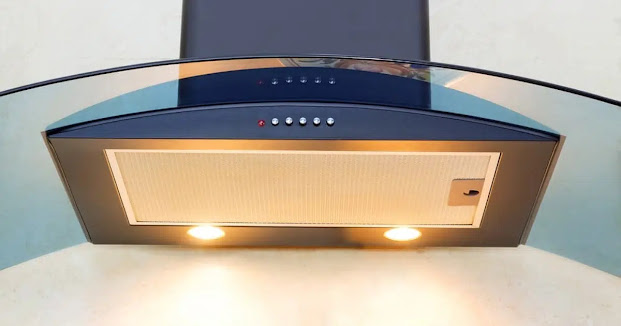
Range hoods are one of the hardest-working appliances in any kitchen. Their main job is to clear out steam, smoke, grease, and strong cooking odors to keep your indoor air clean and fresh. Most modern range hoods also come equipped with built-in light fixtures designed to illuminate your stovetop, making it much easier to see what you are chopping, stirring, and simmering.
ADVERTISEMENT
However, a lot of homeowners find themselves asking a common question before they head to bed: Is it actually okay to leave the range hood lights turned on overnight?
ADVERTISEMENT
You might have various reasons for doing this. Perhaps you want a soft guide light to help you navigate the dark house, or maybe you worry about wasting electricity. You might even just forget to click the switch off before turning in for the night and wonder if it poses any real danger.
ADVERTISEMENT
You are definitely not the alone in wondering about this. Let’s take a close, detailed look at the advantages and disadvantages of keeping these lights running through the night so you can make the best choice for your household, your budget, and your peace of mind.
The Quick Answer
The short and simple answer is yes, it is generally perfectly fine to leave your range hood lights on overnight, but there are a few important details you should keep in mind.
If your kitchen appliance uses modern LED bulbs, they will consume a tiny amount of electricity, generate almost no heat, and carry an extremely low risk of causing a fire. At the same time, they can provide excellent safety benefits by acting as a night light.
On the other hand, keeping any light running continuously for eight to ten hours every single night does have a few minor downsides. It will slightly increase your monthly utility bills, shorten the overall lifespan of the bulbs, and potentially disturb anyone sleeping nearby if you have an open floor plan. Ultimately, the choice comes down to balancing nighttime convenience against energy conservation and bulb longevity.
The Benefits: Why Keeping the Lights On Can Be Helpful
1. Significantly Improved Kitchen Safety
The most obvious reason to keep your range hood light glowing through the night is to make your kitchen a safer place to navigate in the pitch black.
-
Late-Night Hydration: If you wake up thirsty in the middle of the night, a gentle light saves you from fumbling blindly for a wall switch or tripping over objects on your way to the refrigerator or sink.
-
Midnight Snacks: If you or a family member needs a quick bite to eat after dark, a steady light source ensures you can clearly see countertops, sharp objects, and any unexpected floor obstacles.
-
Supporting Vulnerable Family Members: For elderly relatives or individuals with mobility challenges, a well-lit path greatly reduces the risk of accidental slips and trips in a high-traffic zone.
-
Comfort for Children: Young kids who wake up from a bad dream or need a glass of water can feel highly reassured by a soft, familiar glow coming from the kitchen.
According to data from the National Safety Council, physical falls stand out as one of the top causes of accidental injuries inside the home, particularly during the dark night hours. Keeping high-traffic areas like the kitchen adequately illuminated is an easy way to lower these risks.
2. An Extra Layer of Home Security
A softly lit kitchen can serve as a simple, low-cost way to protect your home from unwanted visitors.
-
Creating the Illusion of Life: A steady light in the heart of the house suggests to outsiders that someone might be awake, active, or moving around the property.
-
Outdoor Visibility: The light that shines through your kitchen windows can naturally illuminate the immediate area outside, which can discourage prowlers from approaching your home.
-
Affordable Protection: Compared to setting up massive, high-wattage outdoor security floodlights, utilizing a small appliance light is an incredibly inexpensive way to add security.
-
Mental Comfort: Knowing that your main living space isn’t completely dark can help you sleep soundly with less anxiety about home intrusions.
3. Everyday Household Convenience
Beyond safety and security, sometimes keeping the light on is just about making daily life run a bit smoother.
-
No More Searching for Switches: This is especially helpful if you are hosting guests who aren’t familiar with your home layout, or if you have recently remodeled your kitchen and aren’t used to the new switch locations.
-
Immediate Brightness: You won’t have to wait for older style bulbs to warm up to their full power when you walk into the room half-awake.
-
Hands-Free Benefits: If you are walking into the kitchen holding a sleeping child, carrying a laundry basket, or juggling dishes, you won’t need a free hand to turn on a light.
-
Assistance for Non-Traditional Schedules: For individuals working late night shifts or managing erratic sleep cycles, a constantly lit kitchen provides an easy transition.
The Downsides: Reasons to Think Twice
1. Increased Energy Consumption
The main argument against leaving these lights on for hours at a time is the cumulative energy cost. The exact impact on your wallet depends heavily on the specific type of bulb installed inside your range hood.
-
Modern LED Bulbs: These typically draw between 5 and 10 watts of power. Running them for 8 hours every night costs a mere $0.01 to $0.02, which totals to about $3 to $7 over an entire year.
-
Halogen Bulbs: These use significantly more energy, usually ranging from 20 to 50 watts. Leaving them on overnight costs roughly $0.03 to $0.08 per night, adding up to $11 to $29 annually.
-
Traditional Incandescent Bulbs: Found mostly in older appliance models, these consume 40 to 60 watts. This can add $0.06 to $0.09 to your daily expenses, resulting in an annual cost of $22 to $33.
(Note: These estimates are calculated using a standard U.S. electricity rate of $0.16 per kilowatt-hour. Your real-world costs will fluctuate based on local utility rates and your exact appliance model.)
2. Faster Bulb Burnout
Leaving a light source on for roughly a third of every day means you will reach the end of the bulb’s natural life cycle much faster.
-
LED Longevity: These bulbs are rated to last anywhere from 25,000 to 50,000 hours. While overnight use won’t destroy them quickly, you might lose a year or two of their total operational life.
-
Halogen Lifespan: With a rating of only 2,000 to 4,000 hours, constant overnight use will cause a noticeable decline in performance, forcing you to buy replacements two or three times more often.
-
Incandescent Fragility: These classic bulbs only last about 1,000 to 2,000 hours. If you leave them on all night, you can expect to change them out frequently.
Changing out a range hood bulb can be a frustrating chore. Space is often tight, and the housing can become covered in a sticky layer of grease over time, making a longer-lasting bulb highly desirable.
3. Light Pollution and Disrupted Sleep
Light carries a long distance inside a dark house, and it can easily seep into areas where people are trying to rest.
-
Open-Concept Houses: If your kitchen directly opens up into your living room or dining area, the glow can easily reach nearby bedrooms and disturb light sleepers.
-
Sensitivity to Light: Individuals who struggle with chronic insomnia, severe migraines, or those trying to adjust to rotating shift work can be highly sensitive to ambient light.
-
Hormonal Disruptions: Modern sleep science proves that exposure to artificial light sources during normal sleeping hours can stop your body from producing melatonin, which can ruin the overall quality of your rest.
4. Excessive Heat Generation
While this isn’t a massive issue for modern setups, older styles of bulb technology can get surprisingly hot when left on for hours.
-
LEDs: These remain very cool to the touch and offer no real thermal risks.
-
Halogens: These create a moderate amount of warmth, which might make your kitchen feel a bit stuffier during hot summer seasons.
-
Incandescents: These release a significant amount of heat. It is vital to ensure that the surrounding fixture is completely clean and kept far away from any flammable materials.
Crucial Fire Safety Reminder: No matter what kind of lighting your appliance uses, keeping the entire range hood clean is critical. Built-up cooking grease sitting near a warm light fixture can become a fire hazard if it is ignored for too long.
Smart Strategies for a Balanced Kitchen
You do not have to make an all-or-nothing choice. You can easily enjoy the safety perks of an overnight light without dealing with massive energy bills or burnt-out equipment.
Switch to Efficiency
If you haven’t already, take out your old bulbs and replace them with energy-saving LED alternatives. This simple swap slashes energy draw by up to 90% and keeps replacements to a minimum. Look for bulbs labeled as “warm white” (around 2700K to 3000K), as this softer tone mimics classic lighting and is much easier on the eyes at night. If your hood supports it, opt for dimmable versions so you can set a low, moody glow for the evening hours.
Introduce Smart Technology
Instead of relying on a manual toggle, look into automated options:
-
Timers: Install a manual or digital timer switch that shuts the illumination off automatically after an hour or two.
-
Motion Trackers: Set up motion-activated lights that kick on only when someone walks into the kitchen and shut down once the room is empty.
-
Smart Ecosystems: Use a smart plug or a smart bulb connected to your home network so you can set custom schedules through your phone or use voice commands.
Control the Direction of the Glow
Make sure the light goes exactly where you need it. Keep your fixtures pointed directly down at the countertops rather than out into the rest of the room. If the range hood light is too bright, you might consider installing low-profile LED light strips directly underneath your kitchen cabinets to give you a highly focused pathway guide that doesn’t flood the rest of your home with blinding light.
Essential Maintenance Checklist
To keep your range hood operating safely and looking great, establish a regular care routine.
-
Clean the Light Covers Monthly: Wipe away any airborne grease or dust film. This keeps the light shining brightly and removes potential fire fuel.
-
Verify Bulb Connections Twice a Year: Make sure everything is screwed in tight to avoid annoying flickers or premature electrical failures.
-
Wash the Main Hood Filters Monthly: Keeping the filters clear stops heavy grease from traveling into the internal electrical housing.
-
Inspect the Wiring Annually: Take a quick look at any visible wires to spot signs of fraying, heat discoloration, or structural wear before it turns into an issue.
Before you begin cleaning, changing a bulb, or inspecting internal parts, always remember to turn off the electrical power at your home’s main circuit breaker box to ensure you stay safe. If you ever feel confused or uncomfortable dealing with the wiring, do not hesitate to call a certified professional electrician to handle the job for you.