If You Spot a Painted Purple Fence, This Is What It Means
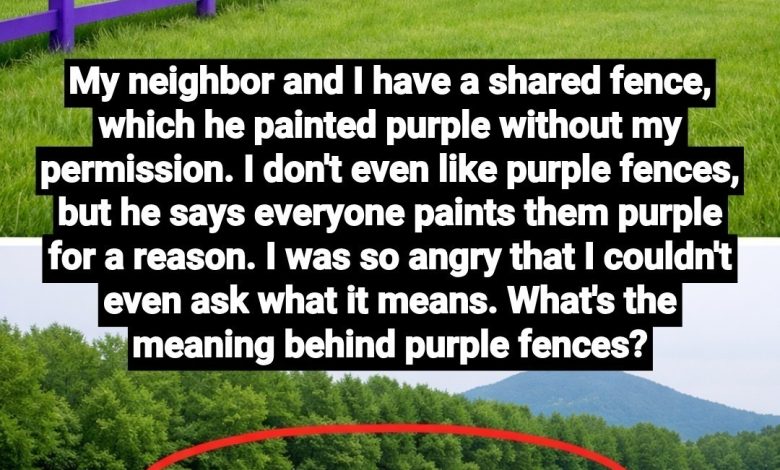
If you are traveling through the countryside or hiking in a new area, you might notice something unusual on a fence post or a tree trunk. It might look like someone simply spilled a bit of paint, but a vertical stripe of purple is actually a very important message. In many parts of the United States, this is not just a random color choice; it is a clear legal warning.
ADVERTISEMENT
Understanding the “Purple Paint Law”
Across many states—especially in the South, Midwest, and rural West—seeing purple paint on a tree, rock, or fence means you need to stop. This practice is part of what is known as the “Purple Paint Law.” Currently, at least 18 states have officially recognized this as a legal way for landowners to tell people to stay off their property.
ADVERTISEMENT
Landowners who have very large areas of land, such as big farms, timber forests, or ranches, find it very hard to put up traditional signs every few feet. Signs can blow away in the wind, fade in the sun, or even be torn down. Purple paint is a much better solution because it is durable and stays visible for a long time. It serves as a permanent, legally binding “No Trespassing” sign.
ADVERTISEMENT
How the Law Works
To make sure everyone understands the warning, there are specific rules about how the paint must be applied. While every state has slightly different requirements, most follow a standard set of guidelines:
-
Shape and Direction: The marks must be vertical stripes. You won’t usually see horizontal lines or messy splashes.
-
Size: Most laws require the stripe to be between 8 and 12 inches long.
-
Placement: The paint is usually placed between 3 and 5 feet off the ground. This puts the mark right at eye level for most adults.
-
Distance: Landowners place these marks along their boundary lines, usually every 100 to 1,000 feet, so that anyone approaching the property will see them.
For example, in Texas, the law is very strict. Under Penal Code §30.06, these purple marks have the exact same legal power as a written sign. If someone ignores the paint and enters the land, they could face criminal trespass charges, fines, or even arrest.
Why Was Purple Chosen?
You might wonder why purple was picked instead of a more common color like red or yellow. There are several practical reasons for this choice:
-
Visibility in Nature: Purple is very easy to see throughout the year. It stands out against green leaves in the summer, white snow in the winter, and brown dirt in the fall.
-
It Is Unique: Colors like red can be confused with rust or natural berries. Yellow can look like certain types of flowers or moss. Purple is rarely found in nature, so when you see it, you know it was put there by a human.
-
Specific Meanings for Other Colors: Many other colors are already used for utility work. For instance, blue is for water lines, red is for electricity, and yellow is for gas pipes. Purple is reserved specifically for property boundaries in these states.
-
Colorblind Accessibility: The specific shade used, often called “blaze purple,” is generally easier for people with some types of colorblindness to see compared to red.
Where Does This Law Apply?
It is important to know that the “Purple Paint Law” is a state law, not a federal one. This means it only counts in states that have passed a specific bill for it. Some of the states that use this system include:
-
Arkansas
-
Florida
-
Illinois
-
Kansas
-
Maine
-
Missouri
-
North Carolina
-
Pennsylvania
-
Tennessee
-
Texas
If you are in a state like New York or California, purple paint might not have a legal meaning, but you should still be cautious. If you see it and you aren’t sure where you are, the safest thing to do is treat it as a warning. Respecting someone’s private property is always the best way to avoid legal trouble and stay safe.
What to Do If You See It
If you are out exploring and come across a purple stripe, here is the best way to handle it:
-
Stop and Look: Take a moment to realize you are likely at the edge of someone’s private land.
-
Turn Around: The best path is to stay on public trails or move back the way you came.
-
Check for Other Signs: Sometimes there are written signs at the main gates or road entrances that provide more information.
-
Be Respectful: Remember that landowners use these marks to keep their families, livestock, and crops safe.
At the end of the day, that purple stripe is much more than just a bit of color. It is a universal signal in many states that means “Stay Out.” By paying attention to these markings, you can enjoy the outdoors while staying on the right side of the law.