If You Own Any of These Plastic Bowls, Doctors Say You Need to Throw Them Away
ADVERTISEMENT
Why It’s Worth Checking Your Plastic Bowls
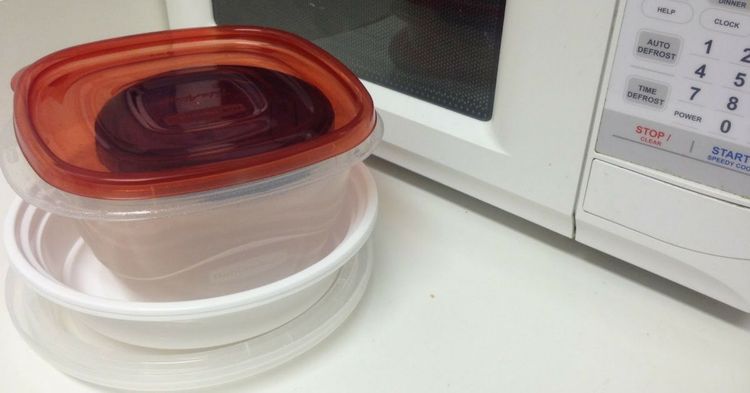
Plastic bowls and containers are staples in most kitchens, valued for their convenience and durability. But over time, even the strongest plastics begin to show signs of wear—and those changes can affect both safety and performance.
ADVERTISEMENT
Signs of Aging to Watch For
Scratches, cracks, cloudiness, warping, or discoloration aren’t just cosmetic flaws. Food‑safety experts note that these imperfections create tiny spaces where bacteria can settle and resist cleaning. Damaged plastic surfaces are harder to sanitize thoroughly, meaning germs may linger even after washing.
ADVERTISEMENT
Heat and Plastic Don’t Always Mix
Repeated exposure to microwaves, hot foods, or dishwashers can accelerate breakdown. Older or lower‑quality plastics may release trace amounts of chemicals when heated, especially if they aren’t labeled microwave‑safe. While levels are generally low, minimizing repeated exposure is recommended.
Practical Guidelines
- Replace plastic bowls that show visible wear.
- Use only containers marked microwave‑safe for heating.
- Avoid excessive heat exposure to extend their lifespan.
- For long‑term cooking or reheating, consider glass or stainless steel—materials that remain stable under heat and repeated use.
You don’t need to eliminate plastic entirely, but using it wisely makes a difference. A quick check of your kitchen containers—and replacing those that are worn—helps reduce risk and ensures convenience doesn’t come at the expense of safety.