I Tried the Viral Sugar Trick on My Dull Scissors
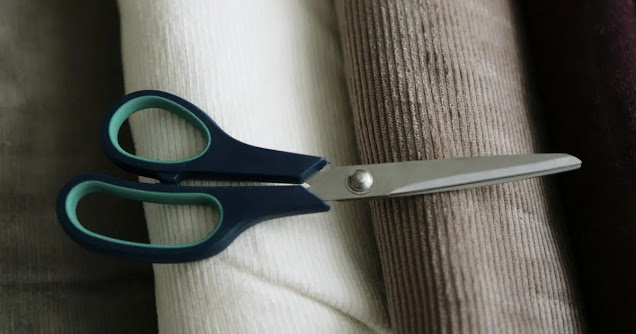
I had to stop and really think about what I was seeing. Is it actually possible that a common baking ingredient could bring a pair of ruined scissors back to life? “Could sugar really sharpen scissors?” I was definitely highly skeptical about the whole thing, but my curiosity got the best of me. Plus, I was completely tired of struggling with blunt blades that would not cut through anything. I decided it was time to run a real test. I went into my drawer, grabbed my dullest kitchen shears, pulled a regular bag of sugar out of the pantry, and decided to see if this viral trend was the real deal or just another piece of internet fiction.
ADVERTISEMENT
The Theory Behind the Hack
If you watch these videos online, the concept behind the trick seems pretty straightforward. The people sharing the video usually base the hack on a couple of simple ideas:
ADVERTISEMENT
-
Natural Abrasiveness: The general thought is that granulated sugar crystals have a rough, textured surface.
-
Polishing the Metal: Because of this rough texture, the creators claim that repeatedly stabbing the blades into the sugar and making snipping motions will polish the metal. They say it realigns the edge of the blade and brings back its original sharpness.
This specific trick is frequently lumped together with other popular do-it-yourself maintenance methods, like cutting through sheets of aluminum foil or slicing up pieces of rough sandpaper. Both of those older methods actually do have a very mild sharpening or honing effect because those materials are genuinely abrasive against steel. But the big question remained: does regular kitchen sugar actually work the exact same way on metal?
ADVERTISEMENT
My Experiment: Step by Step
To find out the truth, I set up a very simple and direct test in my kitchen. Here is a breakdown of everything I used and exactly what I did to see if the hack would work.
What I Used
-
Dull kitchen scissors: These are my everyday household shears. They get used heavily for absolutely everything, from snipping fresh green herbs to opening tough plastic packaging.
-
1 cup granulated white sugar: This was just the standard, everyday white sugar that you buy at any local grocery store.
-
Small bowl: A simple container to hold the sugar so I could replicate the video perfectly.
What I Did
First, I needed a baseline test to see just how bad the blades were. I tried using the scissors on a standard piece of paper. The results were terrible. They could barely cut through the sheet at all, and instead of a clean slice, the paper just crumpled up between the two blades.
Next, it was time for the main event. I stuck the blades into the bowl and spent a solid 2 to 3 minutes aggressively stabbing and snipping straight through the sugar crystals, making sure to completely mimic the exact actions I saw in the viral video.
Once the time was up, I took the shears out and carefully wiped the blades completely clean using a damp cloth to get rid of any leftover white powder. Finally, it was time for the ultimate test. I tried cutting through paper again, and I also tried using them on a piece of fabric and a sheet of thin plastic wrap to see if there was any difference.
The Result?
To put it simply, there was absolutely no noticeable improvement whatsoever. The scissors still struggled immensely just to get through a basic piece of paper. The actual cutting motion did not feel any smoother or easier than it did before the test. In fact, if I am being completely honest, the experiment made things slightly worse at first. The crushing action turned the sugar into a super fine grit. This dust managed to get deep into the hinge of the shears, which made the blades feel sticky and stiff until I took the time to give them a thorough, deep cleaning with warm water.
Why Sugar Doesn’t Sharpen Scissors
When you look at the actual science of materials, it becomes incredibly obvious why this viral internet trick is a complete failure. There are a few major reasons why sugar will never be able to restore a metal edge.
1. Sugar Isn’t Abrasive Enough
In order for a material to sharpen or grind down metal, it has to be harder than the metal itself. If you look at the Mohs hardness scale, which measures how scratch-resistant materials are, granulated sugar sits at a very low rating of about 1.5. On the very same scale, the steel used to make household scissors usually rates somewhere between 4 and 4.5. Because sugar is vastly softer than steel, it doesn’t have the structural strength to grind, sharpen, or hone the metal blade. Instead of wearing down the steel to create a sharp edge, the sugar crystals simply crumble into fine dust the moment the metal hits them.
2. Real Sharpening Requires Precision
Successfully sharpening any type of blade requires a lot of consistency and very specific angles. To make scissors sharp again, you have to carefully grind the metal at a exact, matching angle to properly restore what is known as the beveled edge. When you are just mindlessly stabbing a pair of shears into a bowl full of loose sugar, the crystals are hitting the metal at completely random, chaotic angles. No consistent angle means you will never get a real, functional sharpening effect.
3. What Actually Works
If you want to use household items to fix your tools, there are items that actually have the physical properties required to help a blade:
-
Aluminum foil: This method is mildly effective. Because the aluminum is a thin metal, it provides just enough physical resistance against the scissors to polish away tiny imperfections and light dullness on the edge.
-
Sandpaper (200+ grit): This is a much better DIY option. Sandpaper is made with genuinely abrasive minerals that are harder than steel. If you slice through it correctly, it can actually refine and straighten out a dull edge.
-
Professional sharpening: This is the absolute best and only truly reliable fix if you are dealing with severely damaged or completely blunt blades.
An interesting side note to keep in mind is that cutting through sugar might technically help rub off old, sticky tape residue or dried glue that is stuck to the surface of your blades. However, while it might clean off a bit of surface grime, it will absolutely never make the metal any sharper.
Better Ways to Maintain Sharp Scissors
Instead of relying on internet myths, you can use proven, practical habits and tools to keep your household shears in perfect working order for years to come.
Prevent Dulling in the First Place
The easiest way to keep your tools sharp is to avoid ruining them to begin with. Make sure you are only cutting materials that the specific tool was designed for. For example, you should never use high-quality fabric scissors to cut through thick paper or cardboard, as wood pulp fibers dull delicate metal edges incredibly fast. Additionally, always store your shears with the blades completely closed, or keep them inside a protective plastic sleeve to prevent the edges from banging against other tools in your drawers.
Quick Refreshers
If your scissors are just starting to feel a little bit sluggish, you can give them a quick maintenance refresh at home. Try folding a piece of aluminum foil over itself a few times to make it thick, and then make 10 to 15 clean cuts through it. This simple action can help polish away very light dullness. Another great tip is to regularly wipe down the metal blades with a cotton pad soaked in rubbing alcohol. This easily dissolves hidden layers of tree sap, sticky packaging glue, or general household grime that makes the blades feel duller than they actually are.
For Truly Dull Scissors
When your shears are completely blunt, household tricks will no longer cut it. You can purchase a specialized manual scissor sharpener online for around $10 to $20. These little devices are specifically designed to hold the blades at the exact correct angle as you pull them through. Alternatively, you can take them to a local hardware store, a professional knife sharpener, or a local tailor shop. They usually offer professional sharpening services for a very affordable price, typically ranging between $5 and $10, which will make your shears feel brand new again.
Final Verdict: Skip the Sugar
At the end of the day, it is best to completely skip the sugar trick. It is definitely more myth than magic, and it does not work at all. At the absolute best, it acts as a total placebo effect where you simply imagine they cut better because you want the hack to work. At the absolute worst, it leaves behind a frustratingly sticky, powdery residue inside the pivot screw that will eventually attract even more dirt, dust, and grime over time.
You are much better off saving your white sugar for your weekend baking projects, and sticking to proper, proven maintenance methods for your tools. Your future self, your hands, and your upcoming craft projects will definitely thank you for using the right tools for the job!