Here’s Why They Bring You Bread Right Away at Restaurants
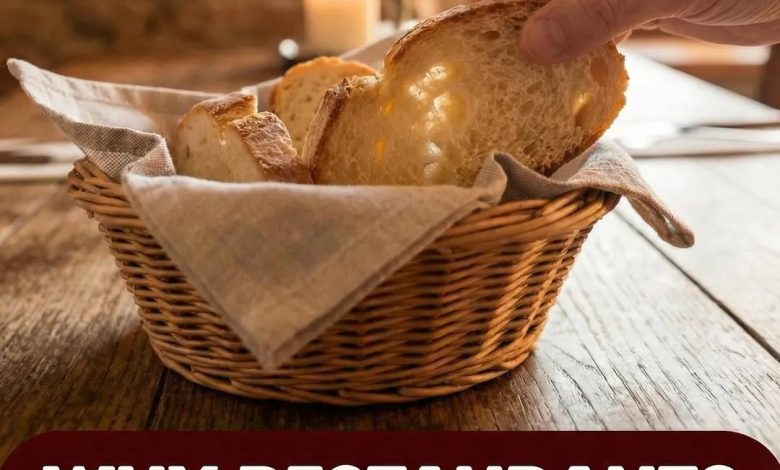
When you sit down at a restaurant, it often feels like magic: you barely have time to get comfortable before a server arrives with a basket of bread. Whether it is a “crusty baguette,” “soft rolls,” or “breadsticks with olive oil,” this ritual is a staple of the dining experience. While it feels like a simple act of kindness, there is actually a lot of strategy happening behind the scenes.
ADVERTISEMENT
Here is a deeper look at why restaurants bring you bread right away, and why it is a brilliant move for their business.
ADVERTISEMENT
1. It Acts as a Buffer for the Kitchen
The most practical reason for the bread basket is timing. From the moment you sit down, the clock starts ticking in your head. The kitchen, however, needs time to receive your order, prep the ingredients, and cook your meal to perfection.
ADVERTISEMENT
“Bread quietly fills that gap.” By giving you something to chew on immediately, the restaurant ensures you aren’t staring at your watch or feeling neglected. It keeps your hands and mouth busy, making the wait for your actual meal feel much shorter than it really is. It gives the staff “breathing room” to provide high-quality service without the pressure of a starving, impatient customer.
2. Shaping Your First Impression
In the world of hospitality, “First impressions matter.” Before you even take a sip of water or see your appetizer, the smell of warm bread creates a sense of comfort. It is a universal sign of a welcoming home or a high-quality establishment.
Psychologically, starting a meal on a high note influences how you perceive everything that follows. If the bread is delicious and warm, you are more likely to enjoy your main course and overlook small mistakes. “Bread quietly sets the emotional tone of the meal,” making you feel cared for from the very first minute.
3. The Science of Hunger and Spending
There is a very “sneaky” psychological trick involved with serving bread early. When you arrive at a restaurant, you are usually very hungry. Being overly hungry can lead to irritability or rushing through the menu. A few bites of bread “takes the edge off hunger,” making you a calmer and more pleasant guest.
However, it rarely fills you up completely. Instead, it moves you into a “sweet spot” where you are satisfied enough to be patient, but still excited about the menu. Surprisingly, this often leads to people being more willing to “splurge” on extra items like appetizers or a nice bottle of wine because they are in a relaxed, happy mood rather than a desperate, hungry one.
4. The Illusion of Value and Generosity
From a business perspective, bread is incredibly smart because it is “one of the least expensive items a restaurant can offer.” The basic ingredients—flour, water, and yeast—cost very little when bought in bulk.
Despite the low cost to the kitchen, “free bread feels generous” to the diner. This creates a sense of “goodwill.” When you feel like you are getting a “free gift,” you are less likely to worry about the price of a more expensive entrée. It makes the overall bill feel more justified because you started the experience with a complimentary treat.
5. Honoring Tradition and Ritual
In many parts of the world, especially in “Italian, French, and Mediterranean” cultures, bread has always been a fundamental part of the table. It wasn’t an extra; it was a basic necessity. Over time, this became a global standard for hospitality.
Today, many diners “come to expect it.” If a restaurant doesn’t bring bread, guests might feel like “something is missing.” Even if people are trying to eat fewer carbs, they still appreciate the “ritual” of the bread basket. It represents a tradition of abundance that makes a meal feel complete.
6. Keeping the Table Socially Active
Eating bread is a social activity. You have to “tear it, pass it, dip it,” and talk about how good it tastes. This is especially helpful during business meetings or “first dates” where there might be a few awkward silences at the start. It gives everyone something to do with their hands and provides an easy topic of conversation. “A table with bread feels active,” and happy, active guests are more likely to have a great time and leave a better tip for the staff.
The Changing Trend
You might have noticed that some places are “quietly cutting back.” Because of rising food costs and a desire to reduce waste, some restaurants now only provide bread if you ask for it, or they may charge a small fee for a premium basket.
However, even as the industry changes, the core logic remains the same. Whether it’s bread or a different small snack, restaurants want you to feel “welcome” and “relaxed.”
The next time a server places that basket in front of you, remember that it isn’t just a snack. It is a calculated blend of “timing,” “psychology,” and “tradition.” It is the restaurant’s way of telling you to sit back and enjoy the experience.