Fresh tomatoes for 2 years, no vinegar needed: the infallible method to make them last that long
ADVERTISEMENT
🍅 The Truth About “2-Year Fresh Tomatoes”
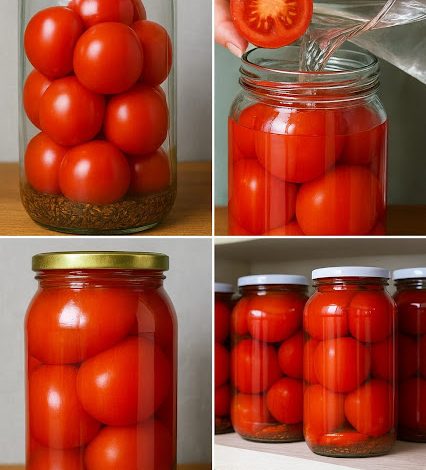
You’ve probably seen it: a viral post claiming you can keep whole, fresh tomatoes for up to two years without canning, freezing, or vinegar—just by layering them in a jar with oil or salt.
ADVERTISEMENT
It sounds miraculous. Too good to be true.
And that’s because it is.
ADVERTISEMENT
🚫 Why This Method Is Unsafe
There is no safe, scientifically proven way to preserve raw, whole tomatoes at room temperature for years without proper acidification, refrigeration, or freezing.
- Tomatoes are low-acid (pH ~4.3–4.9).
- Low-acid foods create the perfect environment for Clostridium botulinum—the bacteria that causes botulism, a potentially fatal foodborne illness.
- Oil and salt do not raise acidity enough to prevent bacterial growth.
👉 Agencies like the USDA, FDA, and National Center for Home Food Preservation all warn against storing fresh tomatoes in oil at room temperature. Even refrigerated, oil-packed tomatoes should be eaten within 3–5 days.
✅ Safe Ways to Preserve Tomatoes
If you want to enjoy summer’s harvest long after the season ends, here are proven, safe methods:
- Freezing (No Vinegar, No Cooking)
- Wash, dry, freeze whole or sliced tomatoes on a tray, then transfer to freezer bags.
- Shelf life: 12–18 months at 0°F (-18°C).
- Best for soups, sauces, and stews (texture softens after thawing).
- Oven-Dried or Dehydrated Tomatoes
- Dry slices in a low oven (170°F/77°C) or dehydrator until leathery.
- Storage:
- Dry-packed: 6–12 months at room temp.
- Oil-packed: Only if fully dried and refrigerated; use within 2–3 months.
- Pressure Canning (No Vinegar Needed)
- Safely preserves whole tomatoes, juice, or sauce.
- Shelf life: 12–24 months in a cool pantry.
- Water-bath canning requires added acid (lemon juice or citric acid).
- Fermentation (Savory & Probiotic)
- Submerge cherry tomatoes in a 2–3% salt brine.
- Ferment 5–10 days at room temp, then refrigerate.
- Shelf life: 6–12 months in the fridge.
- Flavor: Tangy, umami-rich, great for salads or grain bowls.
❌ Methods to Avoid
| Method | Why It’s Unsafe |
|---|---|
| Tomatoes in oil at room temp | Creates anaerobic, low-acid conditions → botulism risk |
| “Just salt them in a jar” | Salt alone doesn’t prevent spoilage |
| Sealed jars with garlic/herbs, no processing | Perfect conditions for bacterial growth |
⚠️ Remember: Botulism is odorless, tasteless, and deadly. If a jar looks suspicious—bulging lid, bubbles, or off smell—discard immediately.
🌿 Quick Cheat Sheet (No Vinegar Needed)
| Method | Vinegar? | Shelf Life | Best For |
|---|---|---|---|
| Freezing | ❌ No | 12–18 months | Soups, sauces |
| Dehydrating (dry) | ❌ No | 6–12 months | Snacking, rehydrating |
| Fermenting | ❌ No | 6–12 months (fridge) | Salads, condiments |
| Pressure Canning | ❌ No | 12–24 months | Whole tomatoes, juice |
| Water-Bath Canning | ✅ Yes | 12–18 months | High-acid sauces |
💡 Final Tip
When in doubt, freeze. It’s simple, safe, and preserves flavor beautifully. Label your bags, and you’ll have summer’s sweetness ready for winter chili, pasta sauce, or shakshuka.
❤️ Honor the Harvest—Safely
Preserving food isn’t about shortcuts—it’s about respecting both the harvest and your health. Skip the viral “miracle” hacks. Choose safe, time-tested methods, and enjoy tomatoes not just for weeks, but for seasons to come.