Found this weird fuzzy cone with bright red berries popping out of it under my tree.
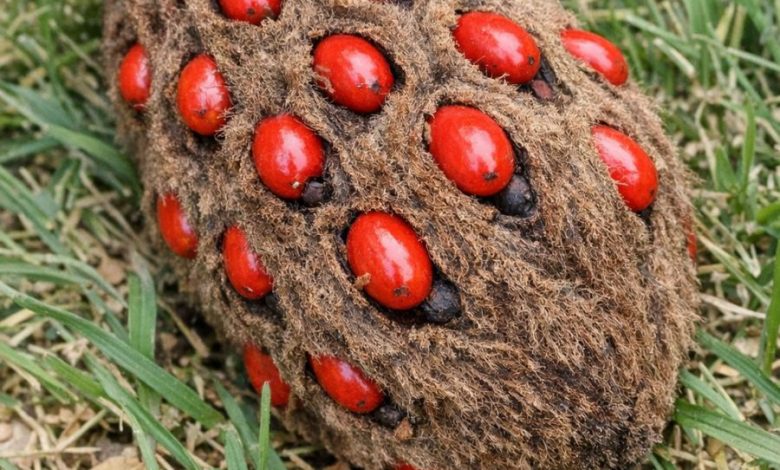
Finding unexpected objects in your garden can be a mix of excitement and curiosity. One discovery that often puzzles people is a strange, fuzzy cone with bright red seeds poking out of it. At first glance, it might look like something from a science fiction movie or even a peculiar natural sculpture. However, this interesting find is actually a normal part of nature with a very down-to-earth botanical history.
ADVERTISEMENT
These unusual shapes aren’t from outer space. Instead, they are a common sight under certain trees, especially in the southeastern parts of the United States. Whether you love gardening or just enjoy looking around your yard, learning about these objects can help you appreciate the amazing life cycle of the plants growing right outside your door.
ADVERTISEMENT
1. The Mysterious Object Under Your Tree, Explained
These interesting items are known as magnolia seed pods. They are the fruit-bearing parts of the magnolia tree. When you first see one, the unique look might surprise you. The pod is shaped somewhat like a pinecone and is usually between 2 to 4 inches long. Its outside feels soft and fuzzy, like velvet, and the color can range from a soft brown to a muted gray.
ADVERTISEMENT
As the pod gets older, it splits open to show off bright red seeds. These seeds stand out clearly against the duller colors of the pod. This bold look is actually a clever plan by the tree to get the attention of birds and other animals, which then help move the seeds to new places.
2. Getting to Know the Magnolia Seed Pod
The magnolia tree family is quite large, with over 200 different types. These trees are famous for their massive, sweet-smelling flowers and thick, shiny green leaves. The seed pod starts as a small green cone that grows after the flowers are finished blooming.
Over several months, usually from late summer into the early fall, the pod changes. It moves from being green and soft to being more like wood and fiber. This change depends on the specific type of tree and the weather in your area.
3. Why Those Red Seeds Look So Different
The bright red “jewels” that come out of the pod aren’t actually berries. They are seeds covered in a fleshy, colorful coating called an aril. This bright red color is a natural tool used to catch the eye of hungry animals.
These coatings are full of energy, making them a great snack for local wildlife. When animals eat the seeds, they eventually leave them in new spots through their waste, which helps new magnolia trees grow in different areas.
4. Trees That Grow These Unique Pods
Many types of magnolia trees create these recognizable pods. One of the most famous is the Southern Magnolia, which is very common in the South. This tree stays green all year and has giant, white, fragrant blossoms.
Other types include the Sweetbay Magnolia, which is a bit thinner and likes to grow in damp or swampy ground. There is also the Cucumber Tree, which got its name because its young pods look a bit like tiny green cucumbers before they turn brown and fuzzy.
5. The Timing of the Seed Pods
You will usually start seeing these pods after the tree is done flowering, which happens in late spring or early summer. The pods grow all through the warmer months and finally pop open in the fall.
This timing is perfect because it matches up with when many animals are most active and looking for food. Seeing these pods is also a great sign that your tree is healthy and doing a good job of reproducing.
6. Are These Pods Safe to Touch or Eat?
While magnolia seeds aren’t considered highly dangerous, humans shouldn’t eat them. They have a very bitter taste and can cause an upset stomach.
The red coating is much more appealing to birds than to people. Even though most wildlife can eat them without any trouble, it is always a good idea to keep a close watch on pets and small children. It is best to make sure they don’t try to snack on them, just to be safe.
7. Animals That Enjoy Magnolia Seeds
These seeds provide an important meal for many creatures. Birds like cardinals and finches love to pull the seeds right out of the pods. Squirrels and other small furry animals also enjoy the feast. This relationship helps both the animals get food and the trees spread their offspring, which keeps the forest healthy and growing.
8. How to Identify Magnolia Pods Correctly
While these pods are generally safe to have around, it’s good to know exactly what you’re looking at. To tell a magnolia pod apart from other things, look for two main things: the soft, fuzzy texture and the bright red seeds popping out. They will almost always be found directly under a magnolia tree, which you can identify by its large, leathery leaves. If you aren’t sure, using a phone app for plants can give you a quick answer.
9. What to Do with Pods in Your Garden
If you find these in your grass, there is no reason to worry. You can simply leave them where they are. They will eventually break down and turn into natural fertilizer for your soil.
If you like being creative, you can pick them up and use them for fall decorations or craft projects. Their unique look makes them great for centerpieces or wreaths during the autumn season.
10. Growing Your Own Magnolia Tree
It is possible to grow a new tree from these seeds, but it takes a bit of work and a lot of waiting. The seeds need to go through a “cold period” to trick them into thinking winter has passed so they are ready to grow.
You can do this by keeping the seeds in a damp paper towel inside your refrigerator for a few months. After that, you can plant them in good soil and keep them in a sunny spot. It might take several weeks or even months to see a tiny sprout, so don’t give up!
11. Interesting Facts About Magnolias
Magnolia trees are incredibly old. They have been on Earth for over 95 million years! They are one of the oldest types of flowering plants still alive today.
Because they appeared before bees were common, they actually use beetles to help move their pollen around. Also, their flowers don’t make traditional nectar; instead, they offer a special kind of pollen that is high in protein. This ancient history is why their seed pods look so different from the fruits of many newer plant species.