My nana taught me this trick to get cloudy drinking glasses crystal clear with 0 effort. Here’s how it works
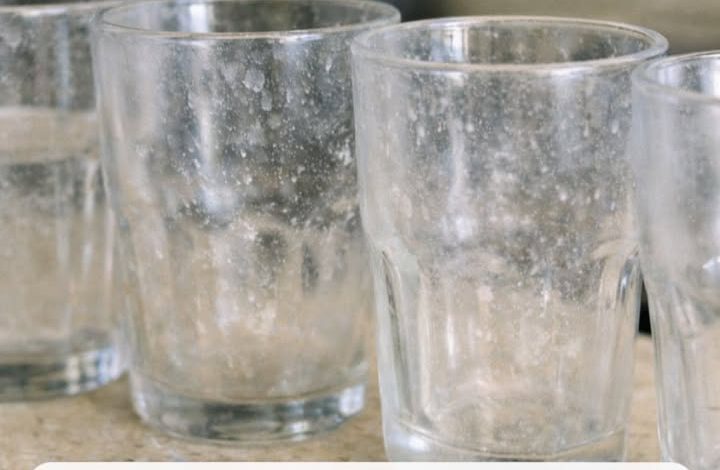
We’ve all been there—you’ve just pulled a fresh set of glasses from the dishwasher, excited to set a beautiful table for your family or guests, only to find them completely marred by a dull, cloudy haze. This unsightly, milky film not only detracts from the sparkling beauty of your glassware, but it can also make you (and your guests) question whether the cups are truly clean at all.
ADVERTISEMENT
Fortunately, there is a wonderfully simple solution to this frustrating household problem. It requires practically no effort, completely bypasses the need for harsh chemicals, and is all thanks to a brilliant trick my nana taught me years ago.
ADVERTISEMENT
Growing up, I spent countless weekend afternoons sitting at the counter in my nana’s kitchen. Her home was always incredibly spotless, and she had a special knack for making even the most mundane household chores seem entirely effortless. One of her many “pearls of wisdom” was a highly specific method for making cloudy drinking glasses crystal clear again. She used a technique so simple yet so incredibly effective that it honestly feels a little bit like magic every time I do it.
ADVERTISEMENT
Here is exactly how you can achieve those same sparkling, restaurant-quality results in your own kitchen with minimal effort.
1. The Surprising Reason Your Glasses Turn Cloudy
To fix the problem, it helps to understand why it happens in the first place. The cloudy appearance on your favorite glasses is most often due to stubborn mineral deposits left behind by hard water. Hard water contains much higher levels of naturally occurring calcium and magnesium. When water droplets sit and dry on your glass surfaces, the water evaporates, but those tricky minerals are left behind.
Over time, these tiny mineral deposits accumulate layer by layer, creating a thick, cloudy film that can be incredibly difficult to remove with just your regular dish soap and warm water.
In some more extreme cases, the cloudiness might actually be caused by something called “etching,” which is a permanent physical change to the glass surface itself. Etching usually happens when delicate glass is exposed to very harsh, abrasive detergents and the extremely high temperatures found inside a dishwasher. However, don’t panic just yet! Most everyday cloudiness is simply due to that annoying mineral buildup rather than permanent etching, which means it can be completely removed if you use the right approach.
2. What My Nana Noticed That Most People Miss
Many people just accept defeat and assume that cloudy glasses are just an annoying fact of life, especially if they live in neighborhoods with hard tap water. However, my nana was highly observant. She noticed that the cloudy glass problem almost always starts with the specific way the glasses are washed and, more importantly, how they are dried.
She observed that simply allowing water to air dry naturally on your glassware is practically an invitation for mineral deposits to form—especially if the glasses haven’t been thoroughly rinsed of all soapy residue.
Nana also pointed out another major culprit: using way too much dish detergent, or relying on the wrong type of soap in the dishwasher. Those harsh, heavily scented chemicals and excessive suds can leave a stubborn, sticky film on your glassware, which only exacerbates the cloudy look. Her keen eye for detail and deep understanding of these little daily nuances made all the difference in keeping her cupboards stocked with pristine glassware.
3. The Simple Ingredient She Always Kept By The Sink
The ultimate secret to my nana’s zero-effort method relies entirely on a very common, very cheap household staple: standard white vinegar.
This incredibly simple ingredient is mildly acidic, making it the absolute perfect natural weapon for cutting right through the tough calcium and magnesium mineral deposits that cause that frustrating cloudiness. White vinegar is not only incredibly effective at breaking down grime, but it is also highly affordable, safe for your family, and completely environmentally friendly.
By simply keeping a small, dedicated bottle of white vinegar right by her kitchen sink, nana could quickly and easily address any minor signs of cloudiness before they ever had the chance to build up into a bigger issue. This one small, daily habit made a massive, visible impact on the overall brightness and appearance of her glassware.
4. Step-By-Step: How To Use Nana’s Trick In Seconds
Ready to try it yourself? Here is the exact, step-by-step process. It requires absolutely no heavy scrubbing, making it a perfectly hassle-free way to keep your kitchenware looking its absolute best.
-
Create the soak: Fill a large glass bowl, or simply plug your kitchen sink, and fill it with equal parts warm tap water and plain white vinegar. Make sure there is enough of the liquid mixture to completely submerge your cloudy glasses.
-
Let it sit: Gently place your cloudy glasses right into the vinegar solution. Let them soak completely undisturbed for about 10 minutes. This downtime allows the natural acidity of the vinegar to quietly break down the hard mineral deposits for you.
-
Rinse it away: After the short soak, carefully pull the glasses out and gently rinse them under plain warm water. As you rinse, you’ll immediately notice the milky cloudiness has completely disappeared down the drain.
-
Dry immediately: To prevent any new hard water spots from forming, take a clean, lint-free cloth or a soft microfiber towel and dry the glasses completely right away.
5. Why This Works: The Science Behind Sparkling Glass
You might be wondering why something as basic as vinegar works so much better than expensive commercial soaps. The effectiveness of white vinegar in cleaning cloudy glasses comes entirely down to its natural acetic acid content, which typically ranges from about 4% to 8% in standard household bottles.
This specific type of acid is strong enough to completely dissolve and eat away at the tough calcium and magnesium deposits left behind by your hard tap water, yet it is gentle enough that it will never scratch or damage the delicate structure of the glass itself.
When the liquid vinegar comes into direct physical contact with the mineral buildup on your cups, it creates a gentle chemical reaction. It bonds with the calcium and magnesium, breaking down the tough deposits so they literally melt away and can be effortlessly rinsed off under the tap. It’s natural chemistry doing all the hard work for you!
6. The Zero-Scrub Method For Stubborn Cloudy Buildup
Sometimes, you might come across glasses with particularly thick or stubborn cloudiness that have been neglected for a long time. In these cases, a slightly longer soaking session might be necessary.
Simply leave the heavily clouded glasses resting in the warm vinegar solution for up to 30 full minutes. Go read a book or enjoy a cup of coffee! If a little bit of the cloudiness still stubbornly persists after that half hour, you can take a soft sponge or a gentle washcloth soaked in pure vinegar and gently rub the surface to help manually lift away the last of the loosened deposits.
Whatever you do, absolutely avoid using any abrasive scrubbing pads, steel wool, or hard brushes. These harsh materials will easily scratch the delicate glass and cause permanent, irreversible damage. If you need to, just repeat the gentle soaking process a second time until you achieve that perfect, crystal-clear shine.
7. How Often To Do It (And When You Can Skip It)
Exactly how often you will need to utilize this handy vinegar trick really depends on two main factors: the specific hardness of the water in your town, and how frequently you pull your glassware out of the cupboards.
In geographical areas with very hard water, it may be entirely necessary to use this soaking method about once a month just to keep your daily drinking glasses looking perfectly clear and clean.
However, if you notice your glasses aren’t turning cloudy very quickly between your normal uses, you can easily skip the deep vinegar soak. Just make sure you are always rinsing them very thoroughly after a standard wash. Sticking to regular, simple maintenance—like promptly hand-drying your glasses with a towel immediately after washing them—can massively reduce your need for frequent vinegar treatments.
8. Common Mistakes That Make Glasses Look Dull Again
If you want to keep your glasses sparkling long-term, you need to watch out for a few bad habits. One incredibly common mistake in the kitchen is simply using too much detergent in the automatic dishwasher. While you might think more soap equals cleaner dishes, the excess actually leaves a thick, sticky film on glassware. It’s incredibly important to use only the recommended amount of detergent, and to purposefully choose a product that is specifically designed to combat hard water if you live in an area that requires it.
Another major mistake is neglecting to rinse your glasses thoroughly enough after hand-washing them. Any remaining soapy suds or lingering mineral deposits from the rinse water will absolutely cause that dull cloudiness to return almost immediately.
Additionally, as Nana always warned, allowing your freshly washed glasses to air dry on a rack can easily lead to new hard water spots. For the best results, it is always best to dry them by hand with a soft, clean cloth immediately after their final rinse.
9. Can This Trick Save Permanently Etched Glassware?
Unfortunately, I have to deliver a little bit of bad news on this front. If your glassware is already heavily etched, this is considered a permanent physical condition that cannot be reversed with white vinegar, baking soda, or any other cleaning method on the market.
As mentioned earlier, etching occurs when the actual top layer of the glass surface is literally worn and scratched away by harsh, abrasive detergents rubbing against it during the excessive heat cycles in a dishwasher. This leaves the glass permanently scratched and dull-looking.
While our vinegar trick can beautifully and effectively remove mineral deposits sitting on top of the glass, it obviously cannot repair the physical damage caused by deep etching. To prevent this from happening to your brand new glasses, always use a much gentler dish detergent and try to avoid using the ultra-high heat or “sanitize” settings on your dishwasher when washing delicate items.
10. Bonus Tweaks To Make Your Glasses Look Brand New
If you are looking for an extra level of brilliant sparkle for a special dinner party or holiday gathering, try adding a few generous squeezes of fresh lemon juice directly into your vinegar and water solution. The natural citric acid found in lemon juice works very similarly to the acetic acid in the vinegar, providing a fantastic, wonderful-smelling additional boost to the overall cleaning power.
Another great pro-tip is to do a final polish on your glasses using a dry microfiber cloth right after you have towel-dried them. Microfiber is incredible at grabbing onto microscopic dust. This simple extra step can help completely remove any tiny remaining streaks, lint, or fingerprints, leaving your glassware looking exactly as good as the day you brought it home from the store.
11. What I Learned From Nana About Caring For Everyday Things
Looking back, my nana taught me a lot more than just how to clean up the kitchen. She taught me that taking just a little bit of extra time to properly care for our everyday items can have a truly beautiful and lasting impact on our lives.
By taking the time to incorporate very small, thoughtful habits into our routines—like using simple white vinegar to gently clean our favorite glassware—we can effortlessly maintain the beauty, longevity, and functionality of the belongings we work so hard for.
Her thoughtful, gentle approach to caring for her glassware serves as a wonderful daily reminder that the most simple, natural solutions are very often the most effective ones. With just a little bit of passed-down knowledge and a few extra seconds of attention, we can easily keep our homes looking their absolute best without ever needing to expend unnecessary, frustrating effort.