What the Numbers on Your Egg Carton Really Mean (And Why It Matters)
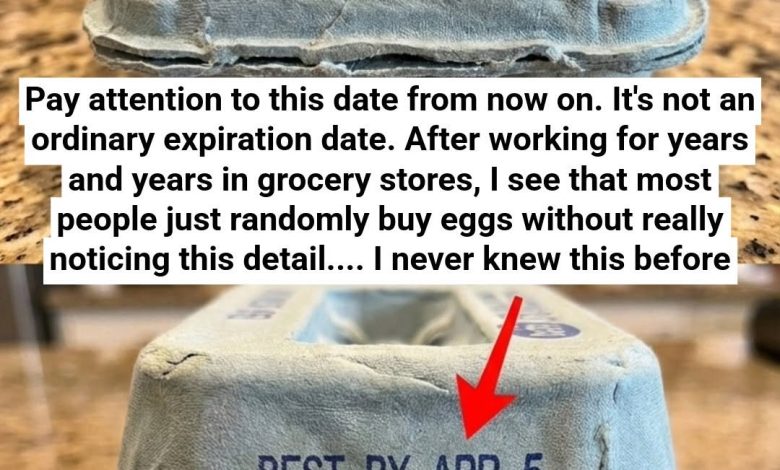
We have all been there. I was standing in the dairy aisle not too long ago, shivering slightly in the cold air, squinting at the side of an egg carton, and feeling completely baffled.
ADVERTISEMENT
Next to the familiar calendar date we are all used to checking, there was a mysterious three digit number, perhaps “245 or 032”, followed by the letter “P” and a long string of additional digits. I stood there wondering: Was it an expiration date? A secret government code for grocery stores? A misprint? I had absolutely no idea, so I decided to roll up my sleeves and investigate.
ADVERTISEMENT
What I discovered completely changed how I shop for eggs. It essentially unlocked a simple, foolproof secret to guaranteeing freshness every single time I go to the store. Here is everything you need to know about decoding those confusing numbers, broken down in simple terms.
ADVERTISEMENT
Decoding the Egg Carton: Cracking the Secret Codes
When you pick up a carton of eggs, you are actually holding a wealth of information. You just need to know how to read it.
The Magic of the Julian Date The absolute most important secret hidden on your egg carton is the “Julian date”. This three digit code is not random at all; it represents the exact day of the year the eggs were packed into that specific carton.
The numbering system is wonderfully simple once you understand it. It starts with “001” for January first and goes all the way up to “365” for December thirty first. This little number is your ultimate guide to freshness. The closer the Julian date is to the current day of the year, the fresher the eggs you are buying. By comparing the Julian date on two different cartons, you can easily tell which batch arrived from the farm most recently!
Understanding the Plant Code Right next to the Julian date, you will often see the letter “P” followed by a series of numbers. This is known as the “plant code”. Think of this code as a unique fingerprint for your eggs. It identifies the exact processing facility where those specific eggs were washed, graded, and packed.
While you might not need this highly specific information for cooking your daily breakfast, it becomes incredibly crucial if there is ever a food safety recall in your area. This code allows you to easily trace your carton back to its exact source, giving you peace of mind and ensuring the food you feed your family is perfectly safe.
Navigating Standard Calendar Dates Cartons also feature standard calendar dates, which can honestly cause a lot of unnecessary confusion for shoppers. Let’s clear that up:
-
The “sell by date”: This date is primarily a helpful guide for the grocery store employees. It indicates how long the retailer should leave the product on display. It is not a strict safety deadline for you at home. In reality, eggs remain perfectly safe to eat for three to five weeks after the sell by date if they are stored correctly in your fridge.
-
The “expiration date”: This date, on the other hand, is a direct guide meant for you, the consumer. It indicates the final day the egg producer guarantees peak quality and flavor. For the best culinary experience, it is always best to consume your eggs before this specific date passes.
Testing and Storing for Maximum Freshness
Knowing how to read the codes on the box is only half the battle! Proper storage and home testing are equally important to ensure your eggs remain safe, fresh, and delicious for as long as possible.
The Best Way to Store Eggs Always keep your eggs stored in the refrigerator, and make sure to leave them inside their original carton. Why? Eggshells are surprisingly porous. The original cardboard or plastic carton physically protects them from absorbing strong, unwanted odors from other foods in your fridge (like onions or leftover garlic dishes) and prevents them from losing moisture.
Also, never wash your eggs before storing them. This is a common mistake! Washing removes their natural protective coating—often called the bloom—and can actually introduce harmful bacteria into the egg through the pores in the shell.
Fun and Simple Freshness Tests When you are ready to start cooking, you can easily verify an egg’s freshness right in your kitchen with a few simple tests:
-
The “float test”: This is the most famous and reliable method. Simply drop the uncooked egg into a bowl or glass of cold water. A fresh egg will sink flat to the bottom. An old egg will float up to the surface due to natural gas buildup inside the shell over time.
-
The “crack test”: You can also check by breaking the egg into a bowl. A high-quality, fresh egg will have a firm, upright yellow yolk and a thick, slightly cloudy, gel-like egg white that gathers closely around the yolk.
-
The “smell test”: When in doubt, trust your nose. A fresh egg should have virtually no odor at all. A bad or spoiled egg will instantly emit a distinct, unpleasant sulfur smell the moment you crack it open.
The Delicious Rewards of Freshness
Paying attention to these small packaging details and ensuring you are always using the freshest eggs yields incredible, delicious rewards in the kitchen.
Fresh eggs offer a noticeably superior flavor and a much richer, creamier texture. This makes them absolutely ideal for both simple breakfasts—like perfectly poached eggs—and complex baking recipes where the physical structure of the egg white is key to a light, fluffy cake. Furthermore, fresh eggs retain more of their natural nutrients, contributing to a healthier overall diet and a much better culinary experience for you and your family.
Common Questions Answered
To clear up any remaining confusion you might have, here is a quick summary answering the most common questions people have about egg cartons:
-
What is the “Julian date”? It is the three digit code, ranging from 001 to 365, representing the exact day of the year the eggs were packed into the carton.
-
What is the “plant code”? It is the letter “P” followed by a number sequence that perfectly identifies the processing and packing facility.
-
What is the “sell by date”? It is the strict deadline for the grocery store to sell the eggs, not the deadline for the consumer to eat them.
-
How long are eggs safe to eat? With proper refrigeration, they are generally safe and delicious for three to five weeks past the printed sell by date.
-
How can I tell if an egg is fresh? The water “float test” is widely considered the easiest and most reliable home method.
-
Should I wash eggs before storing them? No, washing them removes their natural protective bloom and can make them spoil faster.
A Final Thought on Smart Shopping
Decoding the numbers on an egg carton really does feel like unlocking a hidden culinary secret. It is a wonderfully simple, empowering way to ensure that you are always bringing the freshest, highest quality eggs into your home kitchen.
The next time you find yourself standing in the chilly dairy aisle, take a second glance at the carton in your hand. You now have the knowledge and confidence to make the absolute best choice for your health, your budget, and your palate!