Does Unplugging Appliances Save Electricity?
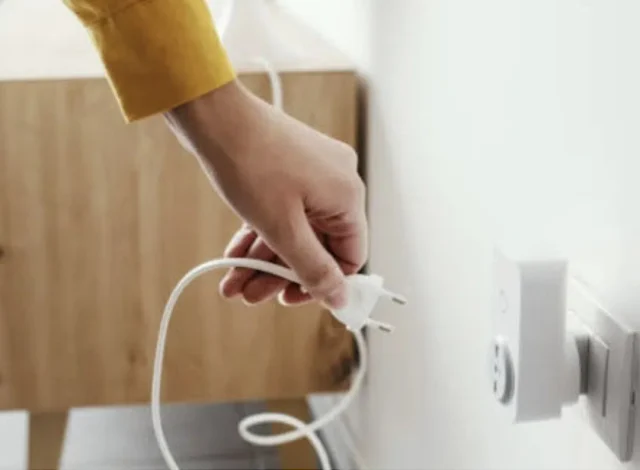
We live in a world surrounded by gadgets and gizmos, each vying for a spot in the power outlet. From the moment we wake up to the moment we go to sleep, we rely on electronics to keep our lives running smoothly. But have you ever wondered if your appliances continue to sip electricity even when you are not using them? The answer might surprise you, and learning the truth could be the key to trimming down your monthly energy bills.
ADVERTISEMENT
Let us dive deep into the age-old question: Does unplugging appliances save electricity?
ADVERTISEMENT
The short answer is yes, it absolutely does. However, the long answer involves a bit more nuance and a better understanding of how modern electronics work.
ADVERTISEMENT
Picture this: your trusty coffee maker sitting on the kitchen counter, patiently waiting for that next morning brew. While you are catching some sleep, that seemingly innocent appliance is silently drawing electricity from the wall.
This phenomenon is called standby power or vampire power—the energy consumed by electronics when they are turned off but still plugged in.
Just how much electricity can you save by adopting the simple habit of unplugging these devices? On average, standby power can account for up to 10% of your total household energy use. When you look at your monthly utility bill, that is a significant amount of money you could be saving simply by pulling the plug.
But does this mean you need to channel your inner movie character and unplug absolutely everything in your house when it is not in use? Not exactly. While it is true that many appliances continue to draw power when plugged in, not all of them are major energy culprits. Devices like your refrigerator or your washing machine are essential household appliances that should stay connected unless you want melted ice cream or a pile of unwashed laundry.
Let us break down exactly what you should unplug, what you should leave alone, and how to stop "Vampire Power" without losing your peace of mind.
Article At a Glance
-
Core Focus: Understanding standby energy and learning practical, everyday strategies to reduce your overall power consumption.
-
Key Finding: Unplugging your household appliances does save electricity, but taking a strategic approach will yield the best financial results.
-
Primary Targets: Televisions, home entertainment systems, desktop computers, video gaming consoles, and small devices with digital displays.
-
Items to Leave Plugged In: Refrigerators, freezers, washing machines, ovens, internet routers, smoke detectors, and essential medical equipment.
-
Smart Solutions: Using switched power strips offers an incredibly easy way to cut off standby power without the hassle of constant manual unplugging.
-
Potential Savings: Typical households can save approximately 75 to 180 dollars every year by actively addressing ghost energy habits.
-
Core Message: Developing small, consistent habits creates meaningful financial savings over time without requiring absolute perfection.
Why This Topic Matters: Small Changes, Real Impact
In an era of rising energy costs and growing environmental awareness, understanding how our homes consume electricity empowers us to make smart, informed choices. "Vampire Power" represents a hidden expense that many households completely overlook. Yet, addressing this issue requires minimal daily effort for very tangible financial returns.
This topic matters because it transforms abstract concerns about energy use into concrete, manageable actions. You do not need to completely overhaul your lifestyle, nor do you need to invest in expensive new technology. Simply recognizing which devices draw power when they are idle—and taking a brief moment to disconnect them—can reduce both your utility bills and your overall carbon footprint.
Knowledge is not just about awareness; it is truly about personal agency. By learning exactly how standby power works, you gain direct control over a small but meaningful part of your household budget. In a world where every dollar counts, having that control is incredibly valuable.
The Science of Vampire Power: Why Appliances Use Electricity When Turned Off
Why do appliances use electricity when they are turned off? It turns out that off is not really off anymore in the modern world.
In the past, an appliance was truly disconnected from electricity when you flipped the physical switch. Today, modern convenience has introduced advanced standby modes that keep certain internal circuits active around the clock. This specific design allows for modern features like instant-on capabilities, remote control functionality, and automatic background updates. However, all of these features come with a hidden energy cost.
Your household appliances are secretly drawing power for several common reasons:
-
Remote Control Sensors: These sensors constantly wait to receive infrared or radio signals from your remote control so they can instantly turn on devices like televisions, soundbars, streaming sticks, and electric fans.
-
Digital Clocks and Displays: This includes the continuous power required to illuminate the little LED clock on your microwave or the on-off indicator light on your kitchen coffee maker.
-
Instant-On Features: These features keep internal software running quietly in the background so that devices like gaming consoles, smart TVs, and computers can boot up immediately without a long waiting time.
-
External Power Bricks: Those large black transformer boxes found on many power cords continue to convert AC power to DC power even when the electronic device itself is turned off or completely detached.
-
Automatic Software Updates: Smart home devices, computer printers, and smart speakers stay continuously connected to your home Wi-Fi network so they can download background updates at any time of the night.
If you think back to your grandparents’ kitchen, the older appliances did not have glowing digital clocks, touchscreens, or remote controls. When you turned them off, they were truly off because the physical connection to the electricity was broken. The convenience of modern technology has come with a hidden energy cost, but understanding this trade-off allows you to make intentional choices about which conveniences are actually worth the extra energy.
What to Unplug: Targeting the Biggest Energy Vampires
If you want to maximize the reduction in your energy bill, you should focus your daily efforts on the specific devices that draw the highest amount of standby power. These are the true energy culprits in your home.
Televisions and Entertainment Centers
Televisions and large entertainment setups are among the biggest offenders in the living room. Modern smart TVs, cable boxes, audio receivers, and soundbars draw significant power while sitting in standby mode. You should unplug them when they are not going to be used for a while, or plug them all into a heavy-duty power strip with a physical switch for quick and easy control.
Computers and Office Monitors
Desktop computers, laptops, and external monitors consume a surprising amount of power even when they are placed in sleep mode. Make it a habit to shut down your desktop and laptop computers completely at the end of the day and unplug them from the wall. Alternatively, you can use a smart power strip to cut the electrical current to all of your computer peripherals at the exact same time.
Video Gaming Consoles
Modern gaming consoles use considerable energy to stay in rest mode. This mode allows for quick wake-ups and automatic game updates, but it drains power constantly. You can easily change the internal console settings to an energy-saving mode, or simply unplug the console entirely when you do not plan on playing for a few days.
Microwaves and Small Kitchen Appliances
Microwaves, coffee makers, toasters, and blenders that feature digital clocks and memory settings draw power continuously. Unplugging them when they are not in use is a quick way to save. Keep in mind that you will need to reset the clock display each time you plug them back in, so you will want to weigh that minor inconvenience against your potential savings.
Phone and Laptop Chargers
While individual phone and laptop chargers are smaller, they still contribute to the problem. The transformer brick on the charging cord uses a tiny amount of electricity even when your phone or laptop is not physically connected to it. It is an excellent practice to unplug chargers from the wall outlet once your portable devices are fully charged.
Printers and Scanners
Home office printers and scanners spend the vast majority of their time in standby mode, quietly waiting for a wireless print job to arrive. Unplug these devices when they are not needed, or use a dedicated power strip to cut their power source until you have documents ready to print.
What to Leave Plugged In: Essential Appliances That Should Stay Connected
As the old saying goes, you do not want to throw the baby out with the bathwater. Some household appliances need constant, uninterrupted power to function properly, protect your home, or perform their vital duties.
-
Refrigerators and Freezers: These major appliances must absolutely remain plugged in at all times. Unplugging these items will cause your food to spoil rapidly, costing you far more money in wasted groceries than you could ever hope to save on your electricity bill.
-
Washing Machines and Dishwashers: These large appliances generally do not consume a large amount of standby power, and their internal systems are designed to stay plugged into their dedicated outlets. While modern smart washers with Wi-Fi connectivity do draw a tiny bit of power, the daily convenience they provide heavily outweighs the minimal energy cost.
-
Ovens and Cooking Stoves: Major cooking appliances need to remain connected to their power sources. Gas stoves require a steady, small amount of electricity for the safety of the electronic igniter and the built-in clock, while electric ovens simply sit safely and passively when they are not being used to cook meals.
-
Internet Routers and Modems: These communication devices must stay turned on unless you want to be completely cut off from the internet. They are essential for modern connectivity and keep your home network stable.
-
Smoke and Carbon Monoxide Detectors: Safety equipment that is hardwired into your home requires constant power to protect your family, and their internal battery backups must remain fully charged. You should never unplug or disconnect these crucial life-saving devices.
-
Medical Equipment: Vital health equipment such as CPAP machines, motorized medical beds, or home oxygen concentrators must remain plugged in securely at all times. Personal health and safety must always take priority over saving money on energy.
The Easy Solution: Smart Power Strips and Other Tools
Let us be completely honest: crawling under your office desk to unplug your computer cord or reaching deep behind a heavy TV stand every single night is an annoying hassle. If an energy-saving habit requires too much physical work, most people will not do it consistently over time.
Fortunately, modern technology has created an easy solution for the very problem it caused. Smart power strips and simple automation tools make cutting out "Vampire Power" incredibly straightforward and sustainable for busy households.
Switched Power Strips
These are basic, affordable power strips that feature a standard, physical on-off switch. Flipping the switch to the off position when you leave a room instantly cuts the electrical current to every single item plugged into that strip. They work wonderfully for home entertainment centers, home offices, and kitchen countertops.
Advanced Smart Power Strips
These specialized strips feature a master outlet alongside several controlled outlets. When you turn off the primary device plugged into the master outlet (such as your television), the power strip automatically detects the drop in energy and cuts all power to the secondary devices (such as your soundbar, streaming device, or gaming console). This is an ideal setup for complex electronic systems.
Wi-Fi Smart Plugs
Smart plugs connect directly to your home Wi-Fi network and allow you to establish automated power schedules or control outlets directly from an app on your smartphone. They work beautifully for lamps, traditional coffee makers, and space heaters that you want to automate based on your daily routine.
Mechanical Timer Plugs
These are simple, mechanical countdown devices that physically cut off the electricity after a set number of hours have passed. They are incredibly useful for items like window air conditioning units, portable phone chargers, and seasonal space heaters that you only need to run for specific periods.
A Practical Tip: Try grouping your standby appliances together onto a single strip. For example, plug your television, soundbar, and streaming stick into one switched power strip. When you are finished watching your favorite shows for the night, simply flip that single switch. It takes less than two seconds and eliminates all standby power immediately.
The Real Math: How Much Are You Actually Saving?
Is making this extra effort truly worth your time? Let us take a clear look at the actual numbers to see how it adds up.
The average household in the United States spends between 130 and 150 dollars every month on electricity. If standby power accounts for roughly 5% to 10% of that total monthly use, it means you are spending approximately 75 to 180 dollars a year just to provide electricity to devices that are completely turned off.
If you look at this problem over the course of a decade, that adds up to anywhere from 750 to 1,800 dollars wasted entirely on ghost energy.
While unplugging a single smartphone charger from the wall might only save you a dollar or two over the course of an entire year, tackling the largest energy users—such as your main entertainment center, your home office setup, and your small kitchen appliances—can put real, tangible money back into your household budget. In a world where everyday expenses seem to be getting more costly, keeping those extra dollars in your wallet is always a massive win.
Frequently Asked Questions
Does leaving my phone charger plugged into the wall waste a lot of electricity? A single modern phone charger uses an incredibly tiny amount of electricity—usually between 0.1 and 0.5 watts—when it is left plugged in without a phone attached. Leaving one charger plugged in will certainly not break your budget, but if you have five or six chargers plugged into outlets all across your house, the total energy does begin to add up over time. It is always a great habit to unplug them when your devices are done charging.
Is it bad for my household appliances to be unplugged all the time? No, it is not harmful at all. In fact, physically unplugging your appliances can actually help protect them from unexpected damage. Disconnecting your devices shields their sensitive internal electronics from sudden power surges caused by lightning strikes, utility grid fluctuations, or blackouts. Modern electronics are highly sensitive to voltage spikes, and being physically disconnected from the wall is the safest way to preserve them.
Do standard surge protectors stop standby power automatically? No, standard surge protectors do not stop standby power. A traditional surge protector is designed solely to protect your electronic devices from sudden voltage spikes. It still allows electricity to flow freely to your appliances so they can stay in standby mode. To completely stop standby energy from flowing, you must use a surge protector that features a physical on-off switch or upgrade to an advanced smart strip.
Should I unplug my microwave to save energy? If you do not mind resetting the digital clock display every single time you want to heat up food, then yes, unplugging it is beneficial. The digital clock on a microwave draws power continuously throughout the day and night. If resetting the clock feels like too much of a hassle, you can simply plug the microwave into a convenient, switched power strip along with your toaster and coffee maker so you can control them all together.
What about my smart home devices like smart speakers or smart light bulbs? Smart speakers and Wi-Fi-enabled smart devices must draw a small, continuous amount of power to listen for their voice commands or stay properly connected to your home network. If you have smart speakers in guest rooms that are rarely used, it makes perfect sense to unplug them. However, if you use them every single day, the convenience they offer likely outweighs the couple of dollars a year they cost to run.
A Compassionate Closing Thought
If you are reading this article because you are looking closely at your monthly electricity bill and wondering where your hard-earned money went, or if you simply want to become a little more mindful about how your home uses resources, please know that small habits truly make a massive difference.
You do not have to completely change your entire life or live in the dark to save energy. Just flipping a single power strip switch before you go to bed or unplugging your kitchen coffee maker in the morning are tiny, meaningful acts of care for both your home and your personal wallet.
True resourcefulness is a wonderful virtue. There is a deep, quiet satisfaction that comes from knowing you are being careful with what you have. Turning off what you do not actively need is a simple, grounded way to honor the everyday resources that keep our households running safely.
Do not let the pursuit of absolute perfection stop you from making progress. If you happen to forget to unplug your microwave or your computer a few times, do not beat yourself up over it. The ultimate goal is not to be completely flawless; it is simply to live with a little more awareness each day.
Your home is your sanctuary. Taking active control of your energy use is not just about saving a few extra dollars every month; it is about cultivating mindfulness. It is about being fully present in your living space, understanding exactly how it works, and treating your surroundings with clear intention.
Remember the older days, when houses grew completely quiet at night. The appliances were truly asleep, and the only sound running in the background was the steady, gentle hum of the kitchen refrigerator. There is a beautiful sense of peace in returning to that level of simplicity.
So tonight, before you head off to bed, take a quick, mindful walk through your house. Flip the physical switch on your television’s power strip. Unplug your laptop charger. Turn off the power to the coffee maker. As you head to sleep, you can rest easy knowing that your home is quiet, your appliances are resting, and your hard-earned money is staying right where it belongs—safely in your pocket.