Why White Stuff Comes Out of Chicken While Cooking
Why White Stuff Comes Out of Chicken While Cooking
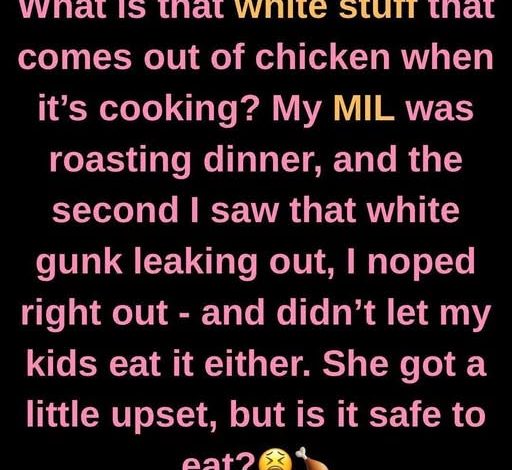
Many people can remember the very first time they noticed a strange white substance leaking out of their chicken while it was cooking in the oven or on the stove. It is a moment that can make any home cook stop in their tracks and feel a sudden wave of worry.
ADVERTISEMENT
You might find yourself thinking, “Is tonight the night I’m going to make everyone sick at dinner?” It is completely natural to experience that level of panic. You might wonder if you accidentally purchased a bad batch of meat, or if you somehow managed to completely ruin the meal. After all, nobody wants to deal with the twin tragedies of wasting perfectly good food and disappointing the people they love.
ADVERTISEMENT
However, even though seeing that white goo appear on your dinner can cause a brief moment of horror, you do not need to throw your hard work into the trash can. The truth is that this occurrence is completely normal. It happens all the time in kitchens everywhere, and understanding the simple science behind it can give you total peace of mind.
ADVERTISEMENT
What Is the White Stuff on Cooked Chicken?
To put it plainly, that white residue is mostly just protein. More specifically, it is a simple mixture of liquid and congealed proteins that gets pushed out of the meat as it heats up.
When you apply heat to a piece of chicken, the muscle fibers inside the meat begin to tighten and contract. As these fibers shrink, they act like a sponge being squeezed, forcing internal moisture out toward the surface. This escaping water carries dissolved proteins along with it. Once those proteins hit the hot surface of the pan or the air in the oven, the heat causes them to bond together and solidify.
This process is called coagulation, and it is exactly the same thing that happens when a clear, raw egg white turns solid and white in a hot skillet. The main protein at work here is called albumin. When it is cold, albumin stays dissolved and invisible, but heat transforms it into a highly visible white substance. It is entirely harmless, perfectly edible, and a natural part of cooking meat.
Can We Eat the White Stuff?
The short answer to this question is absolutely. The longer answer is yes, but it helps to understand why it is so safe.
Because this substance is just a combination of water and natural protein, it contains no harmful bacteria, dangerous chemicals, or toxins. It only shows up during the cooking process, meaning the meat has already reached temperatures where heat kills pathogens. The white substance typically appears right as the meat is meeting its safety thresholds.
It is completely tasteless and harmless, so you can choose to wipe it away with a paper towel or leave it right where it is. Your choice will not affect your health. Furthermore, it is not a sign that your food is undercooked. In fact, it often shows up more prominently when the chicken is fully cooked or slightly overdone. Many professional chefs will wipe the residue away before serving a plate simply because they want the dish to look pristine, but that is purely for appearance, not for safety.
When Should You Actually Worry?
To keep your kitchen safe, it helps to know the difference between normal cooking reactions and actual signs of spoilage. A white, odorless, and slightly slimy residue is just normal protein coagulation. However, if you ever see a gray, green, or yellow ooze, or if the meat has a foul odor, you are dealing with potential spoilage.
There are several clear warning signs that tell you your meat may actually be bad. A sour, ammonia-like, or rotten egg smell means there is bacterial growth, and you must discard the meat immediately. If the raw meat has a slimy or sticky texture before you even start cooking, surface bacteria are multiplying, and you should throw it away rather than putting it on the heat.
Changes in color are another major warning. A grayish, greenish, or brownish discoloration points to oxidation or microbial activity. In the culinary world, when in doubt, toss it out. If you notice an unusual or off-putting taste after cooking, stop eating the meal and discard the leftovers. Finally, if the meat feels completely mushy or falls apart in an unnatural way, it is a sign of advanced decomposition, and it must not be consumed.
As a great rule of thumb, you should always trust your senses. “If anything seems odd, don’t take a chance,” says food safety expert Dr. Jennifer Martinez. “Your gut (pun intended) is often right about the yuck factor.”
How to Prevent the White Stuff
If you are like many home cooks who accept that the white goo is safe but simply dislike how it looks on the plate, you can take steps to minimize it. There are several easy techniques to reduce protein seepage and keep your meals looking beautiful.
First, try to cook your meat low and slow. Applying gentle heat reduces the aggressive contraction of the muscle fibers, which means less moisture is forcefully squeezed out.
Another excellent method is to brine your chicken before cooking. Soaking the meat in a simple saltwater solution helps the muscle fibers hold onto their moisture much better during the cooking process. If you decide to use a brine, just remember to reduce the amount of added salt in your main recipe, since the meat will have already absorbed some from the soak.
You can also pat the surface of the meat completely dry with paper towels before it goes into the pan. Less surface water means there is less moisture available to carry the dissolved proteins outward.
Additionally, make sure you do not overcrowd your cooking pan. Leaving plenty of space allows proper air circulation and prevents the meat from steaming, which can increase the release of moisture.
Using a digital meat thermometer is another highly effective strategy. If you pull your chicken from the heat right when it hits 165 degrees Fahrenheit, you can avoid overcooking it, which is a prime cause of severe protein squeeze.
Finally, let your meat rest for a few minutes after cooking. Resting allows the internal juices to redistribute evenly throughout the meat, and some of that surface residue may actually reabsorb.
Cooking Chicken Safely: The Real Rules
Even though the white protein residue is not a safety hazard, practicing proper food safety techniques definitely is. You must ensure that different cuts of poultry reach the correct internal temperature to be safe for your family.
Chicken breasts, wings, and thighs must reach a minimum safe temperature of 165 degrees Fahrenheit. To check this properly, insert your digital thermometer into the thickest part of the meat while being careful to avoid hitting the bone, which can give an inaccurate reading.
Ground poultry also needs to hit 165 degrees Fahrenheit. Because ground meat can cook unevenly, it is best to check multiple spots throughout the dish.
When preparing a whole bird, the entire poultry must reach 165 degrees Fahrenheit in the thickest part of the thigh. You should check both the breast and the deepest part of the thigh, and then let the bird rest for at least three minutes before carving.
If you ever find yourself in a situation where you do not have a thermometer on hand, there are a few visual cues you can look for. Safe, cooked poultry will have juices that run completely clear without any pink or red tints. The meat should be entirely opaque throughout the center, with no translucent pink areas remaining. For bone-in cuts, the flesh should pull away easily from the bone, and the overall texture should feel firm rather than rubbery or mushy.
However, it is vital to remember that color alone is not a fully reliable indicator of safety. You should always use a reliable meat thermometer whenever possible to ensure your food is perfectly cooked.