Classic Ermine Frosting
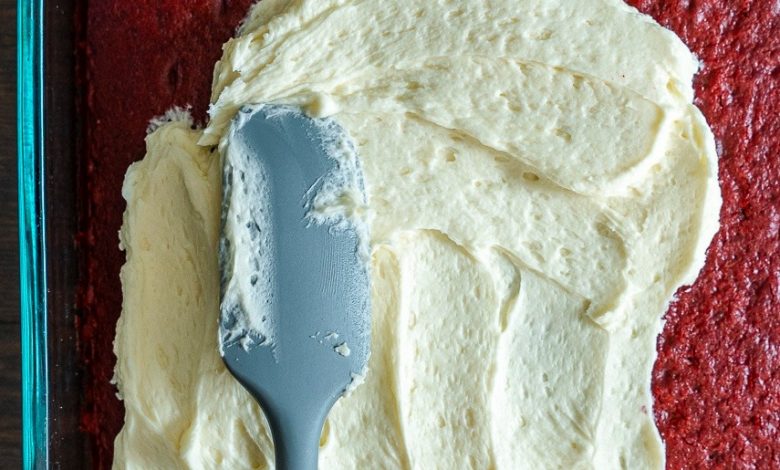
This Ermine Frosting (also known as boiled milk frosting or “roux frosting”) is a masterclass in starch-gelatinization and lipid-emulsification. Unlike standard buttercream which relies on high sucrose density for stability, Ermine frosting uses a cooked flour-and-milk base to provide a “pudding-like” structural scaffold. When this cooled starch matrix is whipped into aerated butter, it creates a silky, “cloud-like” texture with a lower perceived sweetness, mimicking the mouthfeel of a complex Swiss Meringue without the technical difficulty of tempering egg whites.
ADVERTISEMENT
Classic Ermine Frosting
Ingredients:
| Ingredient | Quantity |
| Whole milk | 1 cup |
| Unsalted butter (room temp) | 1 cup |
| Granulated sugar | 1 cup |
| All-purpose flour | 5 tbsp |
| Vanilla extract | 1 1/2 tsp |
| Salt | 1/4 tsp |
Step-by-Step Directions:
Step 1: The Starch-Hydration Phase: Whisk sugar, flour, and salt in a saucepan. Gradually whisk in the milk and cook over medium heat.
ADVERTISEMENT
Tip: Breaking up clumps before heating is a vital mechanical step. If flour “nodes” remain dry inside, they will form gummy lumps once the milk reaches the gelatinization temperature, resulting in a grainy frosting that cannot be smoothed out.
ADVERTISEMENT
Step 2: The Gelatinization Point: Stir continuously until the mixture reaches a pudding-like consistency.
Note: The roux is ready when it is thick enough that your whisk leaves deep “trails” in the pan. This indicates that the starch granules have fully swelled and absorbed the liquid, creating the viscosity needed to support the butter later.
Step 3: The “Skin” Prevention: Transfer to a dish and place plastic wrap directly on the surface. Allow to cool completely to room temperature.
Tip: Placing the wrap directly on the surface is a physical necessity. It prevents the formation of a “skin” (dehydrated protein/starch layer) which would otherwise create tough, rubbery bits in your final light-and-airy frosting.
Step 4: The Aeration & Emulsion: Beat the room-temperature butter until light (2/3 minutes). Add the cooled roux one spoonful at a time, beating between each addition. Finally, add the vanilla.
Tip: Temperature matching is a chemical necessity. If the roux is even slightly warm, it will melt the butter, causing the emulsion to “break” and turn into a soup. If the butter is too cold, the roux won’t integrate. Everything must be a uniform room temperature for a successful bond.
Step 5: The Final Aerated Rise: Continue mixing until the frosting is light, airy, and white.
Note: The frosting should look like whipped cream. If you are using it after chilling, re-whipping is a “mechanical” necessity to re-introduce air into the solidified butter fats.