Pumpkin Bread
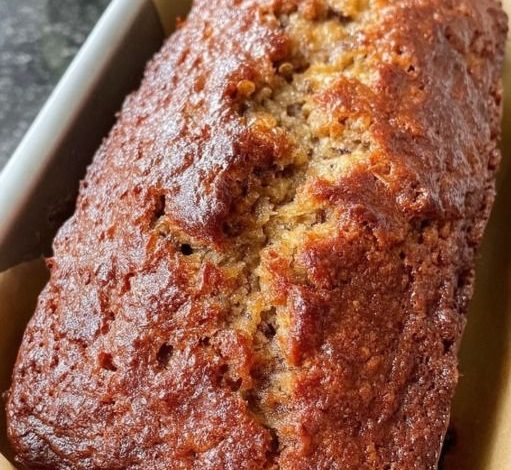
This Pumpkin Bread is a masterclass in hydroscopic moisture-retention and warm-spice aromatic infusion. By emulsifying pumpkin puree and vegetable oil with room-temperature eggs, you create a dense, “stay-moist” crumb that serves as a perfect vehicle for the cinnamon and pumpkin spice esters. The chemistry relies on a careful balance of baking soda and powder to provide lift against the heavy, fiber-rich puree, resulting in a tender, cake-like loaf with a deep, autumnal profile.
ADVERTISEMENT
Pumpkin Bread
Dry Ingredients:
| Ingredient | Quantity |
| All-purpose flour | 1 3/4 cups |
| Baking soda | 1 tsp |
| Baking powder | 1/2 tsp |
| Salt | 1/2 tsp |
| Pumpkin spice | 1 1/2 tsp |
| Cinnamon | 1/2 tsp |
Wet Ingredients
| Ingredient | Quantity |
| Pumpkin puree (not pie filling) | 1 cup |
| Vegetable oil (or melted coconut oil) | 1/2 cup |
| Granulated sugar | 1 cup |
| Eggs (large, room temp) | 2 |
| Vanilla extract | 1 tsp |
Optional Add-ins
| Ingredient | Quantity |
| Chocolate chips | 1/2 cup |
| Chopped walnuts or pecans | 1/2 cup |
| Dried cranberries or raisins | 1/4 cup |
Step-by-Step Directions:
Step 1: The Thermal Prep: Preheat oven to 350°F. Grease a 9/5-inch loaf pan or line with parchment.
ADVERTISEMENT
Tip: Using parchment paper with “overhang” wings is a vital mechanical step. Because pumpkin bread is high in sugar and moisture, it can be delicate while warm; the wings allow you to lift the entire loaf out without risking a structural collapse.
ADVERTISEMENT
Step 2: The Aeration Phase: Whisk the dry ingredients together.
Tip: Sifting the flour is a structural necessity. Pumpkin batter is thick; sifting aerates the flour, ensuring that when the wet ingredients are introduced, they can incorporate quickly without requiring aggressive mixing that would toughen the gluten.
Step 3: The Lipid-Sugar Emulsion: Combine the wet ingredients and whisk until smooth.
Note: The mixture should be a vibrant, uniform orange. Using room-temperature eggs is essential here; cold eggs can cause the oil to seize or prevent the sugar from fully dissolving, leading to an uneven “spotted” crumb.
Step 4: The Gentle Integration: Gradually fold the wet mixture into the dry ingredients until just combined.
Tip: Stopping as soon as the flour streaks disappear is a “viscosity” necessity. Over-mixing activates the gluten proteins, which creates a “rubbery” bread. You want a tender, “short” crumb that melts in the mouth.
Step 5: The Bake & Rise: Pour into the pan and bake for 55/65 minutes.
Note: The loaf is finished when a toothpick comes out clean. If the top reaches a “mahogany brown” before the center is set, loosely tent it with foil to prevent the sugars from scorching while the internal crumb finishes poaching.
Step 6: The “Structure” Set: Cool in the pan for 15 minutes, then move to a wire rack.
Tip: This rest is a mechanical necessity. The bread’s structure is stabilized by starch and egg proteins that “set” as they cool. Slicing too early will result in a “gummy” texture as the internal steam hasn’t had time to redistribute.