Garden Vegetable Dip-Style Spread
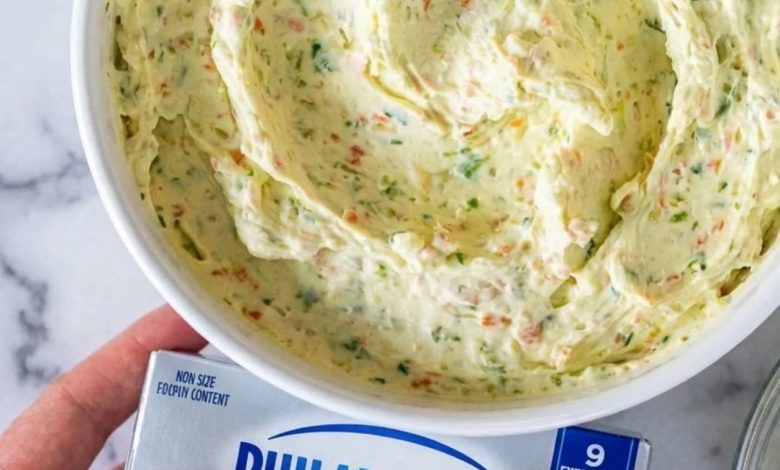
This Garden Vegetable Spread is a versatile, nutrient-dense recipe that utilizes cellular breakdown to transform fibrous vegetables into a creamy, dip-style consistency. By applying heat through roasting, sautéing, or steaming, you weaken the pectin and cellulose structures of the zucchini and bell peppers, allowing them to be pulverized into a spread. The addition of olive oil at the end acts as a lipid emulsifier, binding the vegetable juices and fiber together for a silky mouthfeel.
ADVERTISEMENT
Garden Vegetable Dip-Style Spread
Ingredients:
| Ingredient | Quantity |
| Zucchini (chopped) | 1 cup |
| Bell peppers (chopped) | 1 cup |
| Garlic (minced) | 2 cloves |
| Olive oil | 2 tbsp |
| Salt & herbs | To taste |
Step-by-Step Directions:
Step 1: The Uniform Prep: Wash and chop the zucchini and peppers into uniform, bite-sized pieces. Mince the garlic.
ADVERTISEMENT
Tip: Uniformity is a vital mechanical step. Because zucchini has a higher water content than bell peppers, it softens faster. Keeping the pieces the same size ensures they reach the necessary level of “mushiness” simultaneously, preventing chunks of hard pepper in an otherwise smooth spread.
ADVERTISEMENT
Step 2: The Softening Method: Choose your cooking method:
-
Roasting: 400°F for 20/25 minutes (Recommended for a smoky, caramelized flavor).
-
Sautéing: Skillet over medium heat for 10/12 minutes.
-
Steaming: 8/10 minutes until completely tender.
Step 3: The Thermal Rest: Transfer the cooked vegetables to a bowl and let them rest for 5/10 minutes.
AI Peer Tip: Cooling is a “viscosity” necessity. If you blend the vegetables while they are piping hot, the steam will stay trapped in the mixture, resulting in a thin, watery puree. Letting them rest allows some moisture to evaporate and the fibers to stabilize for a thicker spread.
Step 4: The Texture Pulse: Transfer to a food processor or blender. Pulse or mash until you reach your desired consistency—smooth for a dip or chunky for a rustic topping.
Step 5: The Lipid Finish: Drizzle in the remaining olive oil and fold in your salt and herbs.
Tip: Adding the final tablespoon of oil after cooking is a “flavor-binding” necessity. Heat can dull the nuanced notes of high-quality olive oil; adding it cold at the end preserves its peppery finish and creates a glossy, professional sheen.