The Shocking Truth About Visible Veins And What They Actually Reveal About Your Health
ADVERTISEMENT
Why Veins Become More Visible
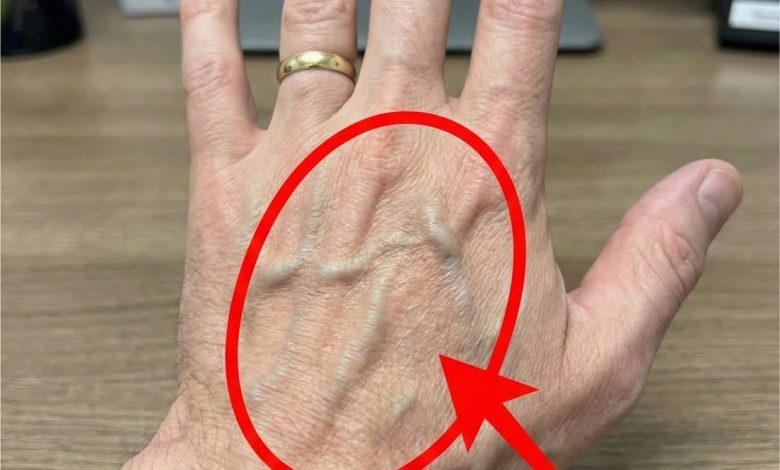
It’s a common moment of concern: you glance down at your hands or legs and notice veins standing out more than usual. Those blue or green lines beneath the skin can look startling, often sparking fears about circulation or heart health. In reality, visible veins are usually far less alarming than they appear. Understanding why they show up is the first step in separating harmless traits from genuine medical issues.
ADVERTISEMENT
The Basics
Veins are the body’s return highways, carrying blood back to the heart after delivering oxygen and nutrients. For many people, these vessels are simply more noticeable due to natural factors:
ADVERTISEMENT
- Low body fat – Less padding means veins sit closer to the surface.
- Athletic conditioning – Fitness enthusiasts often look “vascular” because of lean muscle and increased blood flow.
- Aging – Thinner, less elastic skin reveals veins that were once hidden.
- Genetics – Fair or naturally thin skin often makes veins more visible.
Everyday Influences
Veins can also stand out temporarily:
- Heat – Warm weather or hot showers cause vasodilation, widening vessels to release heat.
- Exercise – Muscles push veins closer to the skin, creating that “pumped” look.
Myths vs. Reality
One of the biggest misconceptions is that visible veins mean poor circulation. In fact, the opposite is often true—blood is flowing efficiently. Poor circulation presents differently, with symptoms like:
- Persistent coldness in hands or feet
- Bluish skin tone
- Numbness, tingling, or slow-healing wounds
When to Pay Attention
Visible veins are usually harmless, but certain changes signal medical concern:
- Varicose veins – Swollen, twisted, sometimes painful veins caused by weakened valves.
- Chronic venous insufficiency – Difficulty returning blood to the heart, leading to swelling, skin changes, or ulcers.
- Red flags – Sudden hardness, warmth, or pain in a vein; intense swelling in one leg (possible deep vein thrombosis); or sores that won’t heal.
Supporting Vein Health
Simple lifestyle habits help keep veins healthy:
- Regular movement—walking, swimming, cycling
- Maintaining a healthy weight
- Staying hydrated
- Avoiding long periods of sitting or standing
- Using compression stockings if prone to swelling
Herbal supplements like horse chestnut or grape seed extract are sometimes promoted for vein health, but they should never replace medical care and may interact with medications.
Visible veins are most often a reflection of your age, genetics, fitness level, or even the weather—not a sign of failing health. Unless they come with pain, swelling, or skin changes, they’re simply part of your body’s story. By staying active and watching for true warning signs, you can keep your circulatory system strong and stop worrying about the blue lines that keep you moving.