If your watermelon has these warning signs, it’s best to toss it
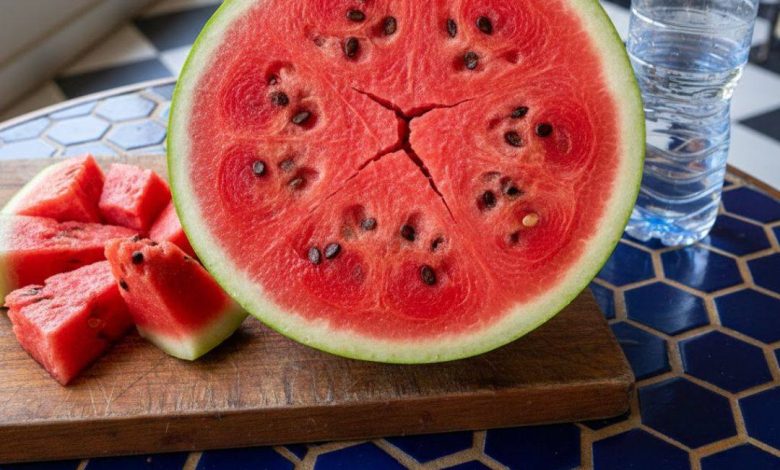
It is hard to beat the refreshing taste of a sweet, juicy watermelon on a sunny day. This fruit is a favorite for many because of its high water content and delicious flavor. However, fruit can be tricky. Sometimes, a watermelon that looks great on the outside might be spoiled or even dangerous to eat once you slice it open.
ADVERTISEMENT
Learning how to spot the subtle signs of a bad watermelon is essential. It can save you from an unpleasant snack and help you avoid the risk of food poisoning. Below is a detailed guide on what to look for so you know when to take a bite and when it is time to throw the fruit away.
ADVERTISEMENT
Why You Should Always Inspect Your Watermelon
Fresh produce like watermelon can go bad faster than you might expect. This often happens after the fruit has been cut or if it has been sitting in a warm environment for too long. When fruit spoils, bacteria can begin to grow rapidly. Eating contaminated fruit can lead to stomach pain or foodborne illnesses. Taking a few seconds to perform a quick check is a simple way to keep yourself and your family safe.
ADVERTISEMENT
7 Warning Signs Your Watermelon Has Gone Bad
1. A Sour or Unpleasant Smell
When a watermelon is fresh, it should have a very light, sweet, and clean scent. If you lean in and notice “a sour smell” or “a fermented or “off” odor”, this is a major red flag. This happens when the sugars inside the fruit begin to break down and rot. If it doesn’t smell like fresh fruit, it is a clear sign that the watermelon is no longer good to eat.
2. Slimy or Sticky Texture
Texture is one of the best ways to tell if fruit is still fresh. The flesh of a healthy watermelon should feel firm, crisp, and full of moisture. If you touch the fruit and find that it feels “slimy”, “mushy”, or “sticky”, it has definitely started to decay. Safe-to-eat fruit should never feel slippery or gooey to the touch.
3. Dull or Discolored Flesh
Most people expect to see a vibrant, bright pink or deep red color when they cut into a watermelon. While some varieties vary in shade, you should be very careful if you see “dark spots”, “brown patches”, or “faded or pale color”. These discolorations usually mean that the fruit is aging or that bacteria have started to colonize the flesh.
4. Visible Mold Growth
This sign is the most obvious, but it is also the most dangerous. If you spot “white fuzz” or “green or black spots” on either the pink flesh or the green outer rind, you must discard the entire fruit immediately. Do not try to cut around the mold. Mold has long, microscopic roots that can spread deep into the soft, watery flesh of the watermelon even if you cannot see them.
5. A Fizzy or Bubbling Taste
Sometimes fruit looks fine but has a strange reaction when it hits your tongue. If the watermelon feels like it is tingling or tastes slightly carbonated, it is likely fermenting. This means that “natural sugars are breaking down” and “bacteria or yeast may be present”. Fermented fruit is not safe for general consumption and should be tossed out right away.
6. Collapsing or Overly Soft Texture
As a watermelon ages, its internal structure begins to fail. You might notice that the fruit starts to “feel overly soft” or “collapse easily when cut”. When the fruit “lose its crisp structure”, it is usually overripe and on the verge of spoiling. While it might not be dangerous yet, the taste and quality will be very poor.
7. A Strange or Bitter Taste
You should always “trust your instincts” when it comes to food safety. If you take a small bite and it tastes “sour”, “bitter”, or “just “off””, do not keep eating it. Your taste buds are designed to warn you when something isn’t right. If the flavor is anything other than sweet and fresh, it is better to be safe and get rid of it.
Simple Tips to Keep Your Watermelon Fresh
Preventing spoilage starts with how you store your fruit. Follow these easy steps to make your watermelon last as long as possible:
-
Before Cutting: You can store a whole, uncut watermelon at room temperature on your counter.
-
After Cutting: Once you slice the fruit, it must be refrigerated. Place the pieces in an airtight container to keep them from drying out or absorbing other smells from the fridge.
-
Time Limit: For the best flavor and safety, try to eat cut watermelon within 3/5 days.
-
Temperature Control: Always “keep it cold (below 4°C / 40°F) to slow bacterial growth”. Cold temperatures are the best defense against fruit spoilage.