If Someone Has Visible Veins, Does It Mean Their Circulation Is Poor?
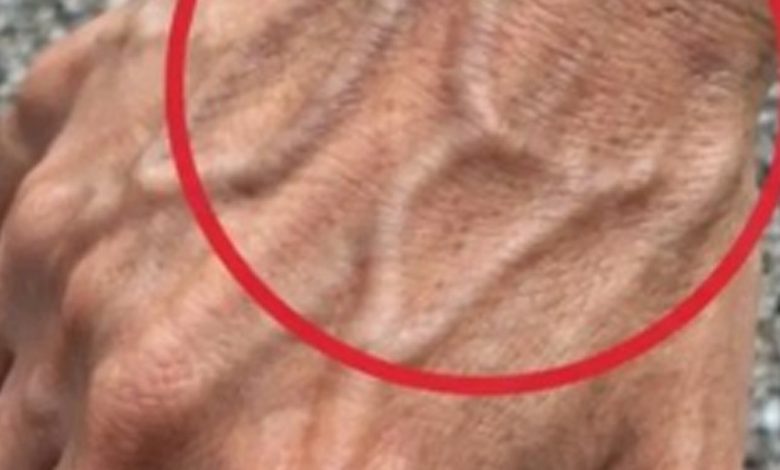
Many people wonder if seeing their veins through their skin is a cause for alarm. The short answer is: “Not necessarily.” In most instances, seeing your veins is a completely normal part of how your body is built and does not mean your blood isn’t moving correctly. In fact, for many people, it is actually a sign of healthy activity.
ADVERTISEMENT
However, there are specific times when the appearance of your veins might be telling you something about your vascular health. Here is a detailed look at why veins become visible and when you should consider talking to a professional.
ADVERTISEMENT
Why Veins Are Often Visible and Harmless
Most of the time, veins show up due to physical traits rather than health problems. Here are the most common reasons:
ADVERTISEMENT
-
Low Body Fat: If you have very little fat under your skin, there is less tissue to hide your veins. This is why you often see them clearly on the arms and legs of athletes or naturally lean people.
-
Skin Tone and Texture: People with very fair skin often have veins that show through more easily. Additionally, as we get older, our skin becomes thinner and loses elasticity, which makes the underlying veins more obvious.
-
Temperature Changes: When you are in a warm environment, your body tries to cool down by widening your blood vessels. This process, called vasodilation, brings more blood to the surface and makes veins look larger.
-
Physical Activity: When you exercise, your muscles need more oxygen, which increases blood flow. This temporary “pump” makes veins in your calves and arms swell and become more noticeable.
-
Family History: Sometimes, it just comes down to your DNA. If your parents had prominent veins, there is a good chance you will too.
When Visible Veins May Indicate a Health Concern
While usually harmless, certain types of visible veins are linked to “venous dysfunction.” This is different from “poor arterial circulation,” but it still requires attention.
Varicose Veins
These are often “twisted, bulging, rope-like veins” that typically appear on the legs. They happen because the tiny valves inside the vein aren’t working right, which allows blood to pool instead of moving upward. You should pay attention if these are accompanied by a heavy feeling, itching, or swelling.
Sudden Swelling and Bulging
If you notice that only one leg or arm suddenly has very prominent veins and is also swelling, this is a major red flag. It could be a sign of a blood clot, known as deep vein thrombosis (DVT). This is considered a medical emergency.
Inflammation and Pain
If a vein feels “painful, warm, or red,” it might be inflamed. This condition is known as phlebitis and often requires medical treatment to ensure an infection isn’t present.
Unexplained Veins on the Torso
If you start seeing new, widespread veins appearing on your chest or stomach, it could indicate an issue with internal organs like the liver. This is rare but should always be checked by a doctor.
Understanding the Difference: Arterial vs. Venous
It is helpful to know that true “poor circulation” usually refers to the arteries, not the veins. When arteries are blocked, it often results in:
-
Limbs that feel cold to the touch.
-
Skin that looks very pale or blue.
-
Weak or hard-to-find pulses.
-
“Pain when walking (claudication)” that stops when you rest.
Interestingly, when arterial circulation is poor, veins often become less visible, not more.
Tips for Maintaining Healthy Veins
If you want to support your vascular system, there are simple steps you can take every day:
-
Keep Moving: Regular walking is one of the best ways to help your leg muscles pump blood back up to your heart.
-
Change Positions: If you have a job where you sit or stand for a long time, try to flex your ankles or take short walks to keep blood from pooling.
-
Lift Your Legs: At the end of the day, propping your feet up above your heart level can help gravity move blood out of your lower legs.
-
Listen to Your Body: If you experience throbbing, cramping, or see skin sores forming near your veins, it is time to schedule a check-up.
Summary
Most of the time, your veins are simply a map of your unique biology. As the saying goes: “Your veins aren’t showing weakness—they’re tracing the paths of life, movement, and resilience.” As long as they aren’t causing you physical pain or changing rapidly in appearance, they are likely just a normal part of you. When in doubt, consulting a healthcare provider is always the best way to get peace of mind.