The best sleep position for feeling great the next day, according to experts
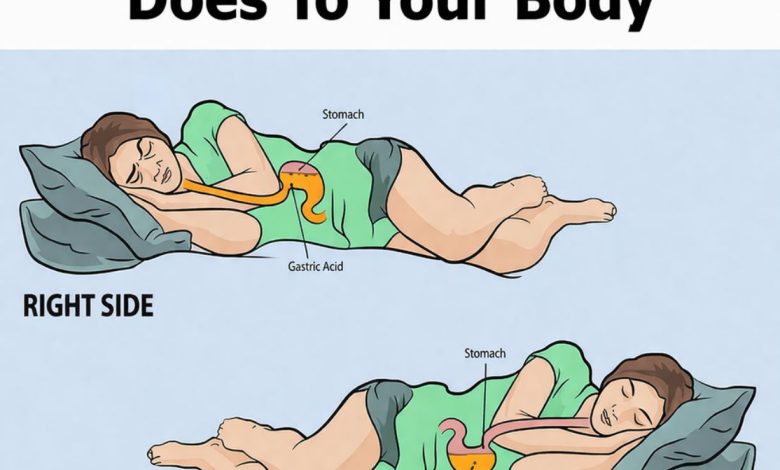
Improving your sleep posture is one of the most effective ways to ensure you wake up feeling refreshed and ready to take on the day. Many people experience the frustration of waking up after a full night of rest only to find they have a stiff neck or a sore back. For some, this happens as often as once a month. One common culprit is sleeping on your stomach. While it might be the only way some people feel they can fall asleep, it often leads to sharp pains that can make it difficult to move comfortably the next morning.
ADVERTISEMENT
Scientific research suggests that resting on your stomach is far from the best choice for your health. This position can put a lot of unnecessary pressure on your spine, ribcage, nerves, and even your breathing. It can also cause your heart rate to increase, which prevents you from getting the deep, restful sleep your body needs. Because our sleep positions impact our mood and long-term health, experts suggest aiming for a better alternative: sleeping on your side.
ADVERTISEMENT
The Benefits of Side Sleeping
Transitioning to your side can make a massive difference in how your body feels. This posture helps keep your spine in a straight line. According to Dr. Robert Hayden, a chiropractor from Georgia and a spokesperson for the American Chiropractic Association, side sleeping is beneficial because “it will help prevent stress points that may aggravate joints and connective tissue.”
ADVERTISEMENT
This position is also a lifesaver for people who deal with snoring or sleep apnea. Dr. Natalie Dautovich, an assistant professor at Virginia Commonwealth University and a scholar at the National Sleep Foundation, explains that sleeping on your side is a great way to keep your airways open. For those who are pregnant, this position helps take the weight off the belly. Specifically, a 2012 study from BMC Pregnancy & Childbirth pointed out that “sleeping on your left side specifically can help promote oxygen flow to both the mother and fetus.”
How to Set Up Your Bed for Success
If you want to stay in a side-sleeping position throughout the night, you might need a little extra support. Dr. Hayden suggests using a body pillow tucked under your torso to support your knee and upper arm. To keep your hips and pelvis aligned, Dr. Dautovich recommends “placing another pillow in between your knees to relieve any pain.”
Your head placement is just as important. Your head should stay level with the rest of the mattress. It is best to avoid using multiple pillows that stack too high, as this can strain your neck. While it might feel nice to lean against a pile of pillows while reading or using social media, Dr. Kristina Petrocco-Napuli, a chiropractor and president of the ACA Council on Women’s Health, warns that you should not fall asleep that way.
When you fall into a deep sleep, your muscles relax. This means they are no longer actively protecting your joints. Dr. Hayden explains that your head weighs between 13 and 15 pounds. If it isn’t level with the mattress while you are on your side, it creates stress on the joints in your neck. Over time, this can lead to real problems. As Dr. Hayden explains, “Joints that are stressed will be eventually injured, and arthritic changes in the joint may manifest at some point.”
Choosing the Right Surface
If you find yourself moving around too much at night, your mattress might be the problem. A mattress that is too soft or starts to sag can lower the quality of your rest. A 2011 study in the journal Ergonomics found that people sleeping on poor-quality mattresses didn’t sleep nearly as well. You should look for a mattress that is firm enough to hold your weight while still having a little bit of comfort.
Even when sleeping on your side, you have to be careful not to curl up too tightly. Sleeping in a tight fetal position can actually make it harder to breathe because it crowds your diaphragm. Dr. Dautovich suggests that “you can reduce the strain on joints by straightening your body as much as possible.” You should also try to avoid tucking your arms under your body, as this can cut off circulation and cause that annoying “pins and needles” feeling.
Long-Term Health and Mental Well-Being
Poor sleep does more than just make your muscles sore; it can affect your heart health and your emotions. During deep sleep, your body releases important hormones. Dr. Hayden notes that “certain hormones are designed to ebb and flow during the sleep cycle.” Specifically, “growth hormones regulate the production of hormones that we use to repair tissues and heal, [which are] secreted during stage IV of the sleep cycle.”
If you don’t reach those deep stages of sleep, you might notice that you get sick more often, struggle with weight gain, or develop high blood pressure. Constant fatigue also takes a toll on your mind. Dr. Hayden mentions that “the physical aspects of your health will spill into the emotional and mental aspects.” He adds that “when you feel your best physically, you’re more likely to have a positive self-image.”
Managing Stress for Better Rest
Sometimes, we move around at night because we are stressed. Managing your stress before you climb into bed can help you stay still and wake up refreshed. Dr. Hayden suggests that if you are a restless sleeper, you should “do something before you go to bed to offload your stress.”
Instead of looking at a phone screen, which can mess with your internal clock, try reading a physical book or taking a warm bath. Dr. Hayden suggests that you should “let your mind go blank, or to a time or place that is relaxing and comfortable.”
While side sleeping is highly recommended, the most important thing is that you are comfortable. If you prefer sleeping on your back, you can make it healthier by placing a pillow under your head and another under your knees to support your spine’s natural curve. By making these small adjustments to your environment and your posture, you can look forward to waking up without the aches and pains of the past.